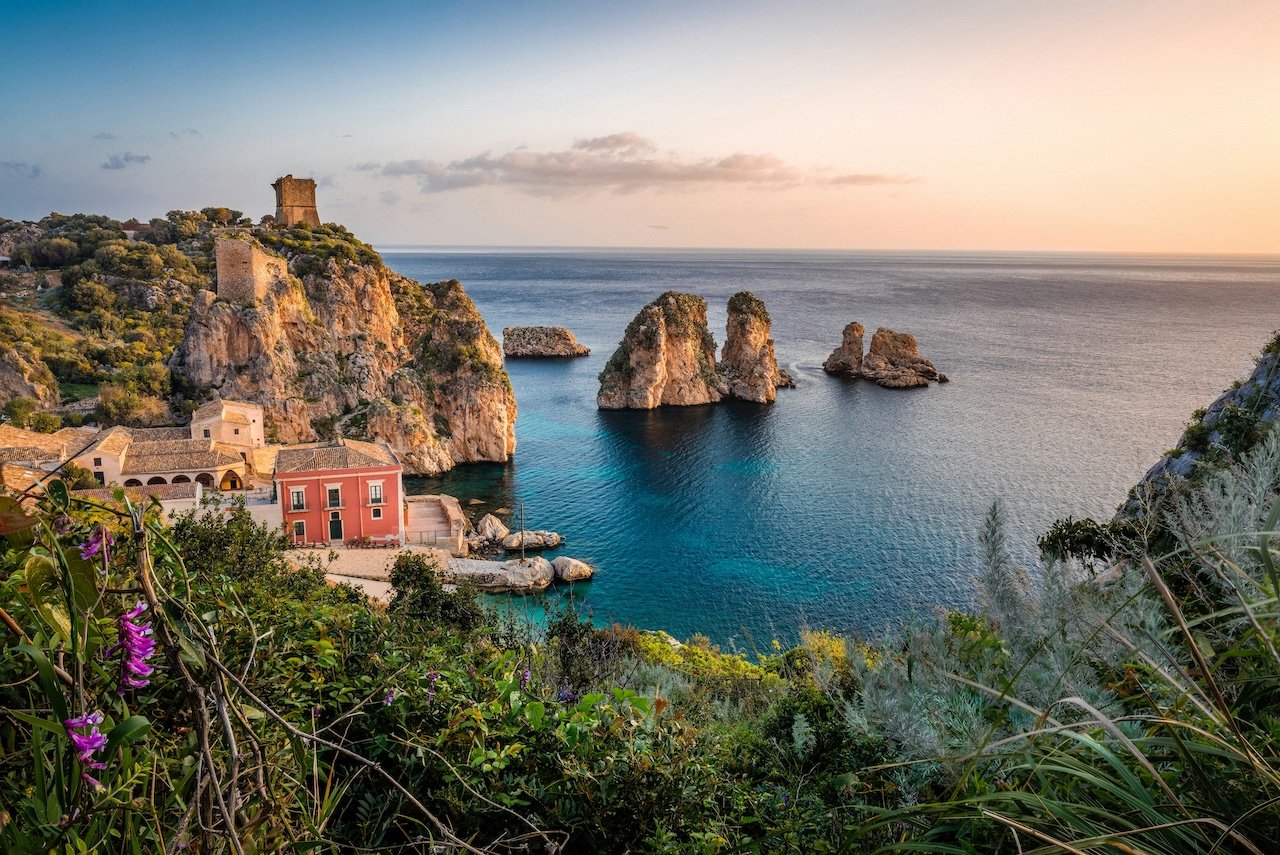
Sicily has always occupied a singular place in the Mediterranean imagination. It is an island of dramatic contrasts, where the scorched earth of the interior meets the crystalline clarity of the sea, and where the echoes of ancient Greece, Rome, and Byzantium are still audible in the bustling markets and quiet hilltop villages. For decades, the global perception of Sicilian travel was centered around the grand hotels of Taormina or the baroque splendor of Palermo. However, as we move through 2026, a new demographic of sophisticated travelers is rewriting the script. Moving away from the crowded hotspots and the predictability of traditional resorts, these explorers are seeking a “secret” side of the island—one defined by silence, architectural heritage, and an unmediated connection to the rugged coastline.
Sicily has always occupied a singular place in the Mediterranean imagination. It is an island of dramatic contrasts, where the scorched earth of the interior meets the crystalline clarity of the sea, and where the echoes of ancient Greece, Rome, and Byzantium are still audible in the bustling markets and quiet hilltop villages. For decades, the global perception of Sicilian travel was centered around the grand hotels of Taormina or the baroque splendor of Palermo. However, as we move through 2026, a new demographic of sophisticated travelers is rewriting the script. Moving away from the crowded hotspots and the predictability of traditional resorts, these explorers are seeking a “secret” side of the island—one defined by silence, architectural heritage, and an unmediated connection to the rugged coastline.
The modern definition of coastal luxury in Sicily has shifted from overt opulence toward a concept known as “residential immersion.” Today’s high-net-worth travelers are looking for space, not just in terms of square footage, but in the psychological sense of the word. They seek the luxury of a private horizon, where the only sound is the rhythm of the waves against the volcanic rocks or the rustle of olive trees in the sea breeze. This trend has placed a renewed focus on the island’s diverse geography, from the pristine dunes of the Vendicari Nature Reserve to the dramatic cliffs of the Zingaro, leading to a demand for stays that offer total seclusion without sacrificing the high-level services of a boutique hotel.
The shift from hospitality to heritage residencies
This evolution in travel habits is most evident in the way accommodation is selected. The discerning visitor no longer wants to be a guest in a shared space; they want to be a temporary resident of a storied location. This desire for privacy has fueled the market for exclusive estates that function as private observatories over the Mediterranean. Identifying the right base is a strategic decision for those who wish to explore the island’s hidden coves and baroque towns at their own pace. Often, the process begins by reviewing a hand-picked collection of properties, such as the available beach villas in Sicily on SopranoVillas, which allows travelers to secure homes that are as much a part of the landscape as the sea itself. By choosing a private residence over a traditional hotel, visitors gain the ability to curate their own environment—from private chefs sourcing ingredients in local markets to sunset yoga sessions on a terrace overlooking the Egadi Islands.
Beyond the walls of these exclusive retreats, the “secret” side of Sicily reveals itself in the Noto Valley and the southern reaches of the island. While Noto itself has become a stylish hub for the fashion and design elite, the surrounding countryside remains a sanctuary of rural luxury. Here, historic “bagli”—fortified farmhouses—have been transformed into minimalist havens of peace. High-end travelers are increasingly drawn to this intersection of agriculture and coastline, where a morning can be spent visiting an organic vineyard on the slopes of Mount Etna and an afternoon can be dedicated to swimming in a secluded bay accessible only by boat.
Gastronomy as an act of cultural discovery
In Sicily, the kitchen is the heart of the home, and for the modern elite traveler, culinary exploration is the primary gateway to understanding the island’s soul. The new standard of luxury dining is no longer about white tablecloths and formal service; it is about the authenticity of the “terroir.” Private estates now often offer immersive gastronomic experiences that link the guest directly to the land. Imagine a dinner prepared by a local monzù—the traditional chefs of the Sicilian aristocracy—using ancient grains, Nero d’Avola reductions, and salt harvested from the pans of Trapani.
This “farm-to-terrace” philosophy is what defines the Sicilian lifestyle in 2026. Travelers are seeking out artisanal producers who are reviving forgotten traditions, from the chocolate makers of Modica to the cheesemakers of the Nebrodi Mountains. These interactions provide a tangible connection to the territory, ensuring that the economic impact of high-end tourism supports the preservation of Sicily’s extraordinary biodiversity. For the sophisticated traveler, the ultimate luxury is the ability to taste a peach that was picked an hour ago or to sample an olive oil produced from trees that have stood for five centuries.
Navigating the vertical beauty of the coastline
Logistics play a vital role in experiencing the secret side of the island. The Sicilian coastline is a complex puzzle of limestone cliffs, sea caves, and hidden beaches. To truly escape the mass tourism that can saturate the main harbors, many now opt for private sea exploration. A private yacht or a traditional gozzo allows guests to view the island’s vertical beauty from the water—the only perspective that truly reveals the hidden architecture of the coast. From the sea, one can discover the Tonnara of Scopello without the daytime crowds or anchor in the turquoise waters of Cala Rossa in Favignana for a silent swim at dawn.
The resilience of the Sicilian spirit, combined with an increasing focus on sustainable and respectful tourism, has allowed the island to maintain its allure while adapting to modern demands. The focus on preserving historical palazzos and protecting coastal ecosystems ensures that Sicily remains a destination of substance rather than just a backdrop for social media. In conclusion, redefining coastal luxury in Sicily is about embracing the island’s complexities. It is about finding the perfect balance between the sun-drenched intensity of the beaches and the cool, shadowed halls of a historic home. In 2026, the Amalfi Coast’s southern cousin proves that the greatest luxury is not to be seen, but to truly see and feel the ancient, vibrant pulse of a land that remains, in every sense, the heart of the Mediterranean.