Category: Fashion

  • What to Know Before Choosing a High-End Wig for Long-Term Wear

    What to Know Before Choosing a High-End Wig for Long-Term Wear

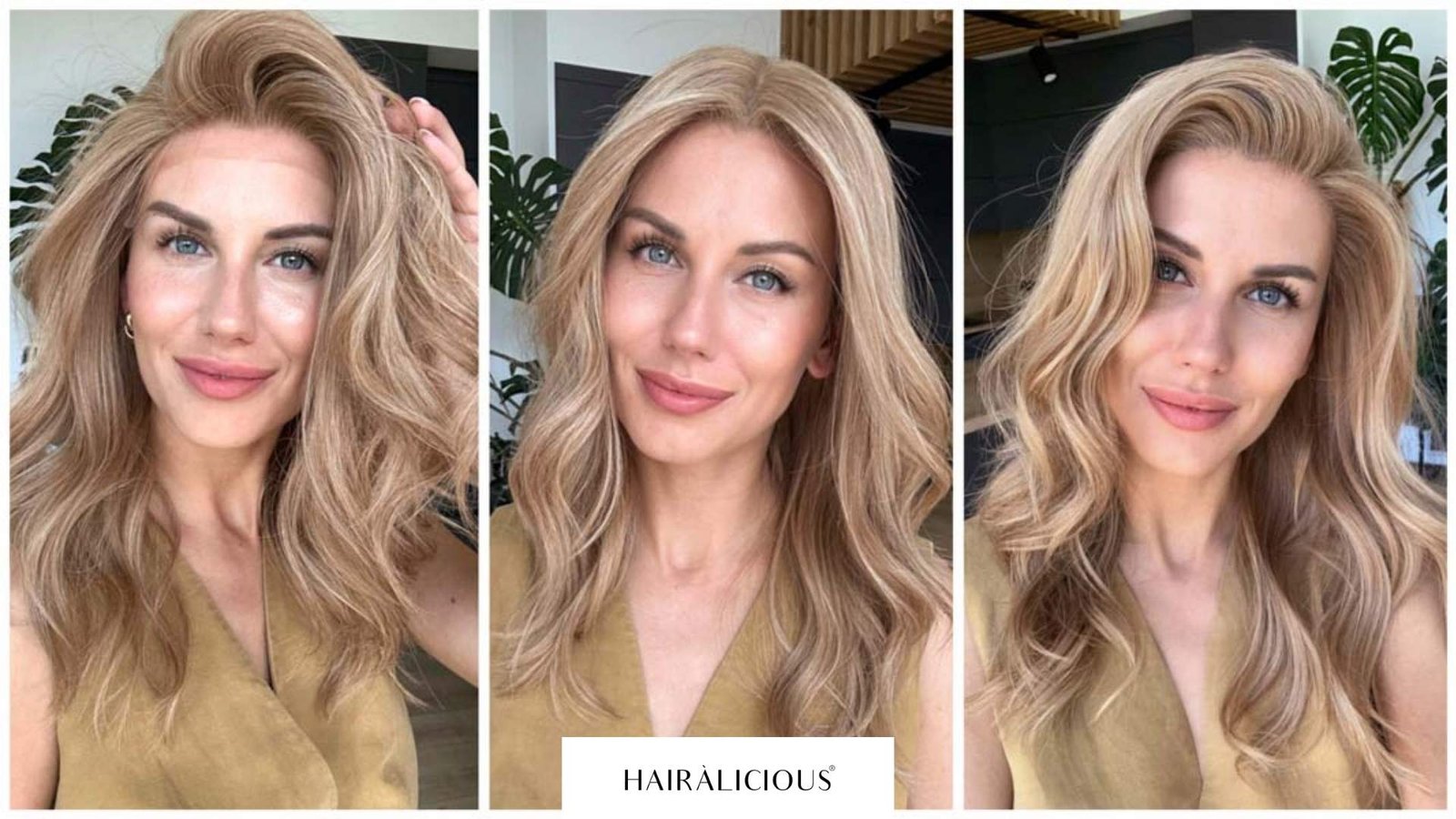
    Choosing a wig for long-term wear is not the same as choosing a wig for one evening, a costume, a photoshoot, or an occasional change of style. When a wig becomes part of everyday life, expectations change. It is no longer enough for the hair to look beautiful in product photos. The wig also needs to feel comfortable, stay secure, move naturally, suit your styling habits, and support your confidence day after day.

    For many women, this decision is also deeply personal. A high-end wig may be chosen because of hair loss, thinning hair, alopecia, medical treatment, or simply the desire to enjoy a different look without changing natural hair. Whatever the reason, the goal is often the same: to find a wig that feels reliable, realistic, and easy to live with.

    That is why long-term wig wear should be approached thoughtfully. Instead of focusing only on length, colour, or price, it is worth looking at the details that affect comfort, realism, and durability.

    Start With the Purpose of the Wig

    Before choosing a high-end wig, it helps to understand how you plan to wear it. A wig used once in a while does not have to meet the same standards as a wig worn every day. If you need a wig for daily wear, comfort and construction should become just as important as appearance.

    Think about your lifestyle. Will you wear the wig to work? Will you keep it on for long hours? Do you want to style it in ponytails, buns, or half-up hairstyles? Do you need it to feel secure without glue? Do you have a sensitive scalp or complete hair loss? These questions help narrow down the type of wig that will actually work for you.

    A high-end wig should not only create a beautiful first impression. It should remain practical after the first week, the first wash, and the first full day of wear. The right choice is the one that fits into your routine without making you feel like you constantly need to adjust, hide, or worry about it.

    Cap Construction Matters More Than Many Buyers Expect

    One of the biggest differences between standard wigs and high-end wigs is cap construction. The cap is the base of the wig, and it affects almost everything: how the wig sits on the head, how secure it feels, how breathable it is, and how naturally the hair moves.

    Some wigs are made with wefts, which are rows of hair sewn into the cap. These can be durable and practical, but they may limit styling flexibility. Other wigs include hand-tied areas only at the front or top, allowing for a natural-looking hairline or parting. Full lace wigs go further because the entire cap is made from lace, with hair individually tied throughout the base.

    This kind of construction is especially valuable for people who want maximum styling freedom. Since the hair is tied across the whole cap, it can be parted in different directions and styled in ways that look more natural from multiple angles. For example, ponytails, buns, braids, and updos are usually easier to achieve with full lace construction than with more limited cap types.

    If styling flexibility is a priority, collections such as the Hairalicious full lace wigs collection can be a useful reference point when comparing different high-end options.

    Look Beyond the Front Hairline

    A realistic hairline is important, but it is not the only detail that determines whether a wig looks natural. Many wigs look convincing from the front, especially in photos, but the difference becomes clearer when the hair moves, when it is styled away from the face, or when it is seen from the side or back.

    For long-term wear, a wig should look natural in real life, not only in controlled lighting. This means paying attention to the parting area, density, lace quality, knot visibility, and the way the hair falls around the face. A natural-looking wig usually has a softer transition at the hairline instead of a harsh, uniform edge. It should also have density that suits the wearer’s features and style.

    More density does not always mean a better wig. In fact, a wig that is too thick can sometimes look less believable, especially if the wearer naturally has fine or medium-density hair. The most realistic choice is often the one that balances fullness with natural movement.

    Consider Comfort for All-Day Wear

    Comfort is one of the most important factors in long-term wig wear. Even the most beautiful wig will become difficult to use if it feels too tight, too heavy, too warm, or unstable. This is especially true for people with sensitive scalps or hair loss, where the skin may be more easily irritated.

    A comfortable wig should fit securely without creating painful pressure. It should not slide, wrinkle, or lift throughout the day. The inner materials should feel soft enough against the scalp, and the cap should allow enough breathability for extended wear.

    Size also plays a major role. A wig that is too small may cause headaches, pressure at the temples, or tension at the nape. A wig that is too large may shift, bunch, or feel insecure. Before buying a high-end wig online, it is important to measure the head carefully and compare those measurements with the brand’s specific size chart. Size names such as small, medium, or large are not universal across all wig brands, so actual measurements matter more than the label.

    Human Hair Quality Affects Both Look and Lifespan

    High-end wigs are often made from human hair because it offers a more natural look, feel, and styling experience. Human hair can usually be heat-styled, washed, curled, straightened, and adapted more like natural hair. This makes it especially useful for long-term wear because the wig can evolve with your style instead of staying fixed in one shape.

    However, not all human hair wigs are equal. Hair quality depends on sourcing, processing, cuticle alignment, colouring methods, and overall craftsmanship. Virgin or minimally processed hair typically remains healthier because it has not been heavily damaged by chemical treatments. Remy hair, where cuticles remain aligned in the same direction, can help reduce tangling and maintain smoothness.

    Think About Styling Habits Before Buying

    A high-end wig should match the way you actually like to wear your hair. Some people prefer a simple everyday look with minimal styling. Others want the freedom to curl, straighten, part, braid, or tie the hair up. There is no single best choice for everyone — the best wig is the one that supports your routine.

    If you mostly wear your hair down, a lace top or lace front construction may already provide enough realism and comfort. If you want to wear your hair in high ponytails, buns, or styles where the back of the cap may be visible, full lace construction becomes more relevant.

    It is also worth thinking about whether you prefer hair that air dries straight, slightly textured, or naturally wavy. Long-term wear becomes easier when the wig’s natural texture works with your habits rather than against them. If you do not want to style your wig every morning, choose a texture and cut that still look polished with minimal effort.

    Durability Depends on Both Construction and Care

    A high-end wig can be a long-term investment, but its lifespan depends on how it is made and how it is cared for. Delicate lace, hand-tied knots, and premium hair require gentle handling. This does not mean the wig is impractical, but it does mean that the wearer should treat it differently from natural growing hair.

    Brushing should be gentle, especially near the knots. Washing should be done with suitable products, avoiding harsh shampoos or unnecessary friction. Heat styling should be paired with heat protection. The wig should also be stored properly when not in use to preserve its shape and prevent tangling.

    It is also important to understand that different wig colours and textures may age differently. Very light or heavily coloured hair has usually gone through more processing than darker virgin shades, which can affect longevity. This is not necessarily a reason to avoid lighter colours, but it is something to keep in mind when choosing a wig for long-term wear.

    Glueless Wear Can Make Daily Use Easier

    For many long-term wearers, glueless construction is an important advantage. Traditional glued wigs can create a very secure hold, but they also require more time, skill, and maintenance. Adhesives and solvents may irritate the skin, especially for people with sensitivity or hair loss, and repeated glue use can also affect the delicate lace area.

    Glueless wigs are designed to stay secure without daily adhesive application. They may use elastic bands, combs, clips, silicone sections, adjustable straps, or other security features depending on the cap construction. This makes them more beginner-friendly and easier to remove at the end of the day.

    For everyday wear, this can make a big difference. Being able to put on and remove the wig quickly reduces stress and gives the scalp more time to breathe. It also makes the wig feel less like a complicated beauty routine and more like a natural part of getting ready.

    Final Thoughts

    Choosing a high-end wig for long-term wear requires more than choosing a beautiful style. The most important factors are often the ones that are not immediately visible in product photos: cap construction, fit, hair quality, comfort, density, and styling flexibility.

    A good wig should support your daily life, not complicate it. It should feel secure without constant adjustment, look natural in different situations, and allow you to style your hair in a way that feels like you. When these details come together, a wig becomes more than a beauty purchase. It becomes a source of comfort, confidence, and personal freedom.

  • How to Wear Double Breasted Suits for Weddings, Work and Events

    How to Wear Double Breasted Suits for Weddings, Work and Events

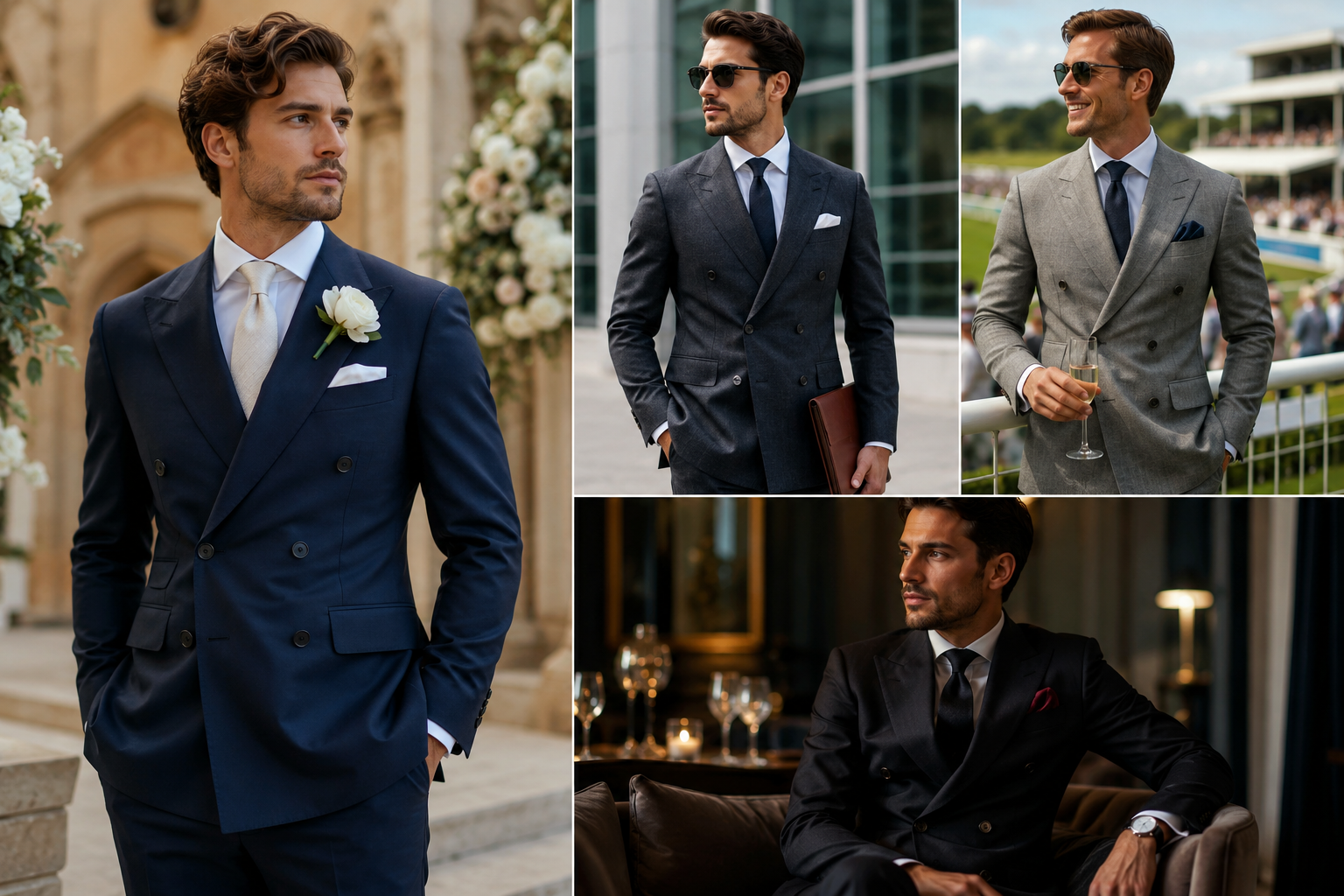
    Double breasted suits are no longer limited to traditional formalwear. They are now a strong choice for men who want a smart outfit with more shape and character. The style works for weddings, race days, business events, dinners and special occasions, provided it is fitted and styled properly.The double breasted jacket has an overlapping front and two rows of buttons. This gives it a more structured look than a standard single breasted jacket. It can make the chest look broader, define the waist and give the whole outfit a sharper finish. That is why it can be such a good option for men who want to look polished without choosing a loud colour or heavy pattern.However, it is a style that needs balance. The jacket already has detail, so the rest of the outfit should be simple and well chosen. The right shirt, tie, shoes and accessories can make a double breasted suit look modern and confident. The wrong choices can make it look too busy or too formal for the occasion.

    Finding Double Breasted Suits That Work for Your Wardrobe

    When choosing Double Breasted Suits, think about where you will wear them most. TruClothing offers men’s double breasted tailoring that can suit weddings, formal events and smarter dress codes, making it easier to find a style that feels useful beyond one occasion.

    If you want a suit that works across different settings, navy is a strong choice. It can be worn to weddings, dinners, race days and work events. Grey is also practical and can be styled in a classic or modern way. Charcoal feels more formal, while lighter grey can work well for daytime occasions.

    A checked double breasted suit can look stylish, especially for weddings and race days, but it is less flexible than a plain navy or grey suit. If you are buying your first one, a plain colour is usually easier to wear.

    Fit is the most important part. A double breasted jacket should sit neatly across the shoulders, close cleanly at the front and shape the waist without pulling. The trousers should balance the jacket, so avoid anything too tight or too loose.

    Wearing One to a Wedding

    A double breasted suit can be an excellent wedding outfit. For a groom, it feels more distinctive than a standard suit while still looking classic. It can help the groom stand out without needing a bright colour or unusual fabric.

    For a traditional wedding, navy, charcoal or mid-grey can work well. These colours pair easily with white shirts, polished shoes and ties in colours such as burgundy, sage, champagne, navy or silver. For a countryside wedding, a checked or textured double breasted suit can feel more suitable, especially with brown shoes and a softer tie.

    Wedding guests can also wear double breasted suits, but they should keep the outfit respectful and balanced. It is best not to wear anything too close to the groom’s outfit if the wedding party colours are known. A simple shirt and tie will usually be enough.

    For summer weddings, lighter shades can work, but they need to be styled carefully. A pale grey double breasted suit can look smart with a white shirt and tan shoes. For winter weddings, darker colours and richer accessories often look better.

    Wearing One for Work

    Double breasted suits can work well in professional settings, but the styling should be more controlled. A plain navy, charcoal or grey suit is usually best. Checks can work in creative or less formal workplaces, but they may feel too strong in conservative business settings.

    For work, a white or light blue shirt is the safest choice. A plain tie or subtle pattern will keep the outfit smart. Shoes should be polished and simple. Black shoes work well with charcoal and darker navy, while dark brown shoes can work with navy or grey.

    The jacket should usually be fastened when standing. This helps the suit keep its shape and gives the outfit a more professional finish. When sitting, the jacket can be unfastened.

    A double breasted suit can be a useful option for meetings, presentations, networking events and formal work functions. It gives a more confident appearance than standard tailoring, but it should still look appropriate for the setting.

    Wearing One to Race Days and Social Events

    Race days are a natural fit for double breasted suits. These events often allow men to dress with more character than they would for work, while still looking smart. Navy, grey, check and lighter blue styles can all work depending on the season.

    For spring and summer race days, lighter colours and softer accessories can look good. A light grey suit with a white shirt and tan shoes can work well. For autumn racing events, darker blues, charcoal and checks may feel more suitable.

    Social events such as dinners, award nights and Christmas parties can also suit double breasted tailoring. For evening events, darker colours often work best. A charcoal or navy suit with a white shirt, dark tie and black shoes can look sharp without being too much.

    The key is not to add too many statement pieces. The jacket is already the main feature, so keep the rest of the outfit clean.

    Choosing the Right Shirt

    A plain shirt is usually the best choice. White works with almost every suit colour and keeps the outfit smart. Light blue can soften the look and works particularly well with navy and grey.

    Patterned shirts should be used carefully. If the suit is plain, a fine stripe may work. If the suit is checked, avoid patterned shirts because the outfit can become too busy.

    The collar should sit properly under the jacket and work with the tie. A classic or cutaway collar is usually suitable. If you are not wearing a tie, make sure the collar still looks neat when the jacket is fastened.

    Shoes and Finishing Details

    Shoes should match the formality of the suit. Black shoes are best for darker and more formal looks. Brown shoes are useful with navy, grey and blue suits. Oxblood can also work well if the rest of the outfit is simple.

    The belt should match the shoes. This is a small detail, but it helps the outfit look complete. If wearing braces, do not wear a belt as well.

    Accessories should be limited. A pocket square, watch and cufflinks can all work, but avoid using too many bold details together. For formal events, a white pocket square is a reliable choice. For weddings, a coloured pocket square can be used to connect with the theme.

    Getting the Fit Right

    A double breasted suit must fit well. Because of the overlapping front, poor fit is easy to see. The jacket should not pull across the buttons, and it should not hang loosely around the waist.

    The shoulders should sit cleanly, the sleeves should show a little shirt cuff and the trousers should sit comfortably at the waist. If small changes are needed, alterations can make a major difference. Trouser length, sleeve length and waist adjustments are common.

    A good fit makes the suit look natural. It also makes it easier to wear across a long day, especially for weddings and events where you may be standing, sitting and moving around for hours.

    A Useful Style for More Than One Occasion

    The best thing about double breasted suits is that they can be worn in several ways. One navy or grey suit can work for a wedding, a dinner, a race day and a formal work event simply by changing the shirt, tie and shoes.

    TruClothing’s double breasted range gives men a choice of styles that feel smart, structured and suitable for different UK occasions. For anyone who wants formalwear with more shape than a standard suit, it is a style worth considering.

    Worn well, a double breasted suit looks sharp without looking forced. Keep the fit clean, choose simple accessories and let the jacket do the work.

  • Women’s Bag Notes from a Design Fair with Celeste and Indigo

    Women’s Bag Notes from a Design Fair with Celeste and Indigo

    1.After the Design Fair Opens

    Celeste reached the old municipal hall late in the afternoon,when the design fair had already lost its morning noise.The entrance table still had neat stacks of exhibition cards,but the staff no longer stood quite so straight,and the visitors moved more slowly through the rooms.

    Indigo waited near the first partition,holding two cards and a paper cup she had barely touched.

    “You’re late,”Indigo said.

    “Seven minutes.”

    “Long enough for me to dislike the entrance display.”

    Celeste took the card from her.“Too much?”

    “Too arranged.”

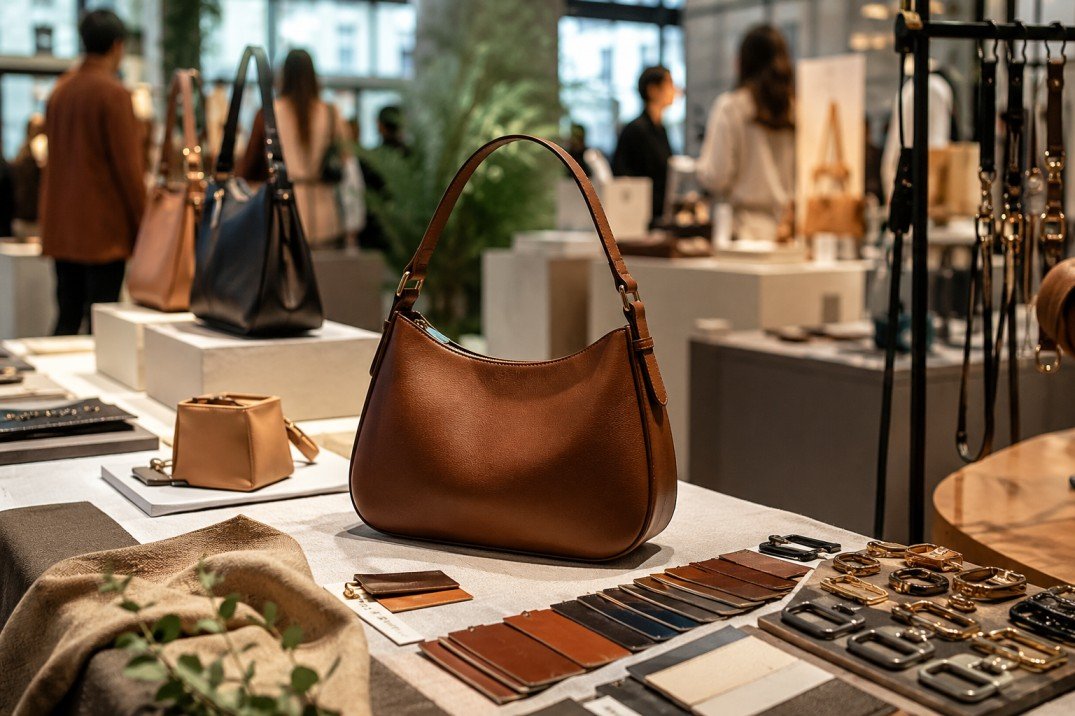
    They stepped into the main hall.A long table held leather swatches in dark rows.Another had metal clasps,chain samples,zip pulls,and small hinges set on grey felt.A few independent accessory labels had placed their finished pieces on low plinths with handwritten notes.

    Celeste worked as a visual curation assistant.She noticed distance,light,and how one material changed another.Indigo worked as a styling consultant.She cared more about what happened when an object left the table and met a person.

    That was why Celeste had asked her to come.

    “I need your eye,”Celeste said.

    “You mean my complaints.”

    “Sometimes useful.”

    Indigo finally took a sip from the paper cup and looked at the first table.“Then start writing.”

    2.Celeste Looks at Proportion First

    The first piece Celeste stopped for sat on pale woven cloth with a strip of brushed brass beside it.There was no screen behind it,no rotating stand,no dramatic light.The object was low and still,with a narrow base and a front line that curved only near the corner.

    Celeste leaned closer to read the label.It described a women’s bag made with vegetable-tanned leather and hand-finished edges.The wording was plain,but the proportion was not.The bag was neither decorative-small nor office-large.It stayed in a middle size that could easily go wrong.

    “The cloth helps it,”Celeste said.

    Indigo looked at the woven panel.“The cloth is doing real work.”

    “That’s not criticism.”

    “No.It’s support.”

    Celeste wrote:soft base line against woven texture.

    Indigo watched her pen.“You make everything sound like an exhibition note.”

    “It is an exhibition.”

    “It is a fair.”

    “Today,it wants to be both.”

    The side seam had a slight unevenness.Celeste liked it.The edge made the piece feel handled,not printed from a perfect image.Indigo noticed the strap tucked behind it and shook her head.

    “Too thin.”

    “You haven’t tried it.”

    “I can already feel the problem.”

    Celeste closed her notebook halfway.“This is why I asked you here.”

    3.Indigo Notices the Way It Sits

    The second display used a mirror panel behind the samples.Indigo disliked it before she reached the table.

    “Mirror means someone is nervous,”she said.

    Celeste smiled.“Or careful.”

    “Careful can still be nervous.”

    This label worked with recycled nylon,soft leather,and technical cord.The pieces were hung at different heights on narrow steel arms.Celeste liked the rhythm.Indigo ignored the rhythm and studied the straps.

    “That black one will turn inward,”Indigo said.

    “How do you know?”

    “The strap starts too far back.”

    A designer nearby asked if they wanted to try it.Indigo said yes at once.The designer lifted it from the steel arm and handed it over.

    Indigo slipped it on,walked three steps,and stopped.

    “Well?”Celeste asked.

    “It turns inward.”

    The designer laughed.“That sample is still being adjusted.”

    Celeste did not write for a moment.Indigo noticed.

    “No note?”

    “It feels rude when you are right that fast.”

    “Write it.The strap earned it.”

    The designer showed how the production version would sit lower.Indigo listened carefully.She could be severe,but not unfair.If there was a reason,she wanted to hear it.

    Celeste wrote one short line:standing still lies.

    Indigo read it over her shoulder.“That one can stay.”

    4.The Metal Samples Table

    The metal samples table was busier than the finished pieces.A small sign asked visitors to use cotton gloves before handling the clasps,chain links,buckles,zipper pulls,and magnetic closures.Indigo pulled on one glove badly and left the thumb twisted.

    “That finger is wrong,”Celeste said.

    “I know.”

    “You’re keeping it wrong?”

    “For now.”

    Celeste picked up a brushed silver clasp.It felt heavier than it looked.She placed it beside deep green leather,then beside warm brown.The brown made it calmer.The green made it sharper.

    “Brown,”Indigo said.

    “You answered quickly.”

    “I saw enough.”

    Celeste tried the green again.

    Indigo shook her head.

    “Fine.Brown.”

    A man beside them filmed the samples for social media,turning each clasp toward the light before dropping it back into the tray.Celeste winced when metal touched metal.

    Indigo leaned closer.“You’re suffering.”

    “He keeps putting them back out of order.”

    “That is very specific suffering.”

    A designer explained that each finish aged differently.Bright pieces showed scratches first.Dark ones revealed warmth where hands touched them.Brushed metal softened slowly.

    Indigo took off the glove.“I like hardware that is allowed to age.”

    “You say that until it scratches.”

    “No.I don’t trust pieces that expect perfect behavior.”

    Celeste wrote that down.

    Indigo saw her.“Use that one.”

    “I planned to.”

    5.The Saved Page on Celeste’s Phone

    Near the back of the hall,a smaller table held leather color cards and two finished samples.The display was less polished than the others.One card had curled at the corner,and the handwritten labels were not even.Celeste liked it right away.

    “This feels less managed,”she said.

    “Or they ran out of time,”Indigo said.

    “Both can be true.”

    Celeste opened a saved page on her phone.She had bookmarked it earlier in the week because one bag for women on the page used a brown-black shade she had not been able to name properly.The page was not a shopping plan.It was only a reference,one of many she kept when a shape or color stayed with her.

    The plain link sat under her note: https://www.loueio.com

    Indigo leaned over.“You save links like evidence.”

    “They help me remember.”

    “Remember what?”

    “What I noticed before I had words for it.”

    Celeste placed the phone near the leather card without touching the sample.The brown on the screen looked cleaner.The brown on the table looked less certain and more useful.It changed when she tilted the card toward the window.

    “That color is better here,”Indigo said.

    “Because the photo tries to decide too much.”

    The designer told them the shade came from a dye mistake that had been adjusted instead of erased.Celeste liked that part most.

    6.The Piece Indigo Would Not Pick Online

    The next piece would not have stopped Indigo on a website.It was too quiet in a grid,too close to other shapes,and the color sat between black and brown in a way most screens would flatten.In person,it had more nerve.

    Indigo said this,not softly,and the designer smiled.

    “We hear that a lot,”the designer said.“It does badly in thumbnails.”

    “That can be useful,”Indigo said.

    “For sales,it is difficult.”

    “For styling,it can be better.”

    Celeste stepped back.The piece did not announce itself,but it improved the materials near it.The leather looked deeper beside ivory fabric and less heavy beside charcoal wool.The hardware did not shine loudly.It interrupted the surface just enough.

    Indigo asked to hold it.The designer handed it over.

    The change was small but clear.Indigo’s posture shifted.The piece had looked reserved on the table,but in her hand it became more exact.

    “That is annoying,”Indigo said.

    “What is?”

    “I like it now.”

    “Because you held it?”

    “Because it needed a person.”

    Celeste wrote:some pieces need a body first.

    Indigo read it upside down.“True.Maybe too clean,but true.”

    They tried it against Indigo’s dark coat.The handle did not pull the sleeve.The size looked intentional,not decorative.

    “You’re not thinking about buying it?”Celeste asked.

    “I’m thinking about why it works.”

    “That is not a no.”

    “It is not a yes.”

    Celeste knew that tone.Indigo had added it to a private list.

    7.The Strap Against a Dark Coat

    The far corner had more open space,so visitors were trying samples on there without blocking the tables.Indigo chose a women’s crossbody bag from a rail and put it on over her dark coat.

    Celeste watched from a few steps away.The strap crossed from shoulder to hip in a clean line,but the body sat slightly too high.

    “Too high,”Celeste said.

    Indigo adjusted it lower.“Now?”

    “Better.”

    Indigo walked to the end of the wall and back.She did not look at the mirror first.She looked down at how the bag moved when she turned.The base stayed close to her body.The strap twisted near the buckle.

    “That would bother you,”Celeste said.

    “It already does.”

    A brand assistant showed them another adjustment hole hidden under the strap keeper.Indigo tried it.The twist improved,but did not disappear.

    “This is why people have to move in things,”Indigo said.

    Celeste nodded.“Standing still lies.”

    “You already wrote that.”

    “It remains true.”

    The assistant explained that the final version would use a softer strap backing.Celeste asked whether that would change the line across the body.The assistant admitted it might.

    Indigo looked at Celeste.“You ask difficult questions too.”

    “Spatial questions.”

    “Difficult spatial questions.”

    Indigo tried the bag one more time.It looked good.The problem was small.But small problems become large when they are felt for hours.

    She handed it back.

    “Almost,”she said.

    Celeste wrote the word once and left it alone.

    8.Celeste Changes Her Mind About Color

    Celeste had expected to prefer black.It was easy to place,easy to explain,and easy to move between outfits without negotiation.In her work,black often solved visual problems before anyone had to discuss them.

    The fair kept pushing against that habit.

    A dark brown sample near the window had been paired with pale blue wool and a narrow strip of cream leather.Celeste would not have made that choice first.Yet it worked because the brown had depth without heaviness.It gave the blue something to rest against.

    Indigo saw Celeste staring.

    “You’re leaving black.”

    “I’m considering brown.”

    “That is how it starts.”

    Celeste picked up the color card.The surface changed under her thumb.It looked cooler near the window and warmer under the overhead lights.She imagined it beside her grey coat,then beside the navy shirt she wore too often.

    “That color would make you less severe,”Indigo said.

    “I am not severe.”

    “You arrange rooms with judgment.”

    “That is not the same thing.”

    “It is close.”

    Indigo took the card from her.“It’s good.”

    “Yes.”

    “You hate that.”

    “A little.”

    The designer told them the color would darken with use,especially at the handle and corners.Indigo liked that.Celeste was less sure.

    “Wear marks can be beautiful,”Indigo said.

    “They can also look careless.”

    “Depends who made them.”

    Celeste did not write that down,but she remembered it.

    9.The Bag That Looked Too Perfect

    The most perfect piece in the room left them both cold.It sat on a square plinth beneath a clear cover,lit by a narrow beam that made the leather look untouched.The edges were exact.The color was balanced.The hardware sat exactly where it should.The label described hand finishing,material testing,and final inspection.

    Celeste admired the work.

    Indigo did not reach for it.

    “You don’t like it,”Celeste said.

    “I respect it.”

    “That is different.”

    “Yes.”

    A staff member lifted the cover and invited them to examine the piece more closely.Celeste looked at the side seam.The stitching was precise.The handle was shaped cleanly.The base had no visible stress.

    “It’s beautifully made,”Celeste said.

    Indigo nodded,but still did not smile.

    The problem was not quality.The problem was distance.The piece looked as if it had already decided what kind of person should carry it,and neither of them wanted to apply for the role.

    “It feels finished before anyone touches it,”Celeste said.

    “No room left,”Indigo said.

    The staff member said some visitors loved that ceremonial look.Celeste understood.For a certain entrance,a certain photograph,a certain room,it would be right.

    But Celeste did not want a bag that required a careful life.

    Indigo stepped back.“I’d be afraid to ruin its mood.”

    “That is accurate.”

    They thanked the staff member and moved away.The perfect piece stayed under its light,still perfect,still unrelated to them.

    10.The Leather Sample Indigo Keeps Touching

    Indigo kept returning to one leather sample.It was attached to a brass ring beside a finished women’s leather bag,but she seemed more interested in the swatch.The sample changed under pressure.When she bent it gently,the surface lightened at the crease,then slowly returned.

    “You’ve touched that three times,”Celeste said.

    “I’m checking if it forgives.”

    “Does it?”

    “Mostly.”

    Celeste waited to see what she meant.

    The finished piece beside the swatch was simple,with a narrow top opening and a soft base.The leather had the same grain,but on a larger surface it looked more controlled.Indigo touched the swatch again,then the side of the bag.

    “The swatch has more life,”she said.

    “Because it has been handled more.”

    “Exactly.”

    A designer heard them and explained that the swatch had been passed around for two days,while the finished piece had been put out that morning.The swatch showed future behavior.The bag showed first condition.

    Celeste wrote:first condition is not the whole truth.

    Indigo saw the line.“Good.”

    They discussed scratches,softening,and how much age a person was willing to see.Celeste admitted she liked new surfaces because they were easier to place visually.Indigo said new surfaces sometimes looked nervous.

    The designer brought out a last-season sample from a drawer.Its corners had softened,and the handle had darkened.

    Celeste liked it more than the new one.

    11.The Talk Near the Exit Wall

    Near the exit wall,the fair shifted from objects to images.A row of large photographs showed pieces in use:on a studio floor,next to a wool coat,in a taxi,in someone’s hand while reaching for a door.None of the images looked too polished.Celeste suspected that was why they worked.

    Indigo stood in front of one showing a dark bag against a pale trench.

    “That works because it is not trying to be the whole outfit,”she said.

    Celeste looked at the image.“It supports the line.”

    “You would say that.”

    “It does.”

    They had been inside for over an hour,and neither had bought anything.The lack of a purchase did not feel like failure.It felt like the point had shifted.Looking had become more useful than choosing quickly.

    Celeste said,“I don’t want something that only works with one version of me.”

    “One outfit?”

    “One mood.”

    Indigo leaned against the wall,then stood straight when a staff member passed.“I don’t want something that only works in a photo.”

    “That sounds reasonable.”

    “It sounds expensive.”

    A group of students came through the exit,still discussing a recycled plastic installation from the previous room.One of them said the material looked better before he knew what it was.Celeste liked the comment.It was careless,but not empty.

    Indigo checked the time.“We should go soon.”

    “You’re done?”

    “No.I’m full.”

    Celeste understood.The fair had given them too many surfaces,too many almost-right shapes,and too many reasons to wait.

    12.The Almost-Right Shape

    The almost-right shape appeared on a narrow stand near the last partition.It was medium-sized,soft at the sides,with a top line that dipped slightly toward the center.Celeste liked the color immediately.Indigo liked the way it sat from the front.

    Then Celeste opened it.

    “No,”she said.

    Indigo leaned closer.“What?”

    “The opening is too narrow.”

    “That fast?”

    Celeste put her hand inside,turned it,and felt the edge press against her knuckles.The inside had space,but the entrance made it feel smaller than it was.That bothered her more than a truly small bag would have.

    “It promises space and then makes you fight for it,”Celeste said.

    Indigo tried it next.She cared less about interior access,but when she held it against her coat,the top line looked tight.The shape that seemed soft on the stand became tense on the body.

    “You’re right,”Indigo said.“It closes up.”

    They stood there,annoyed by the same object for different reasons.

    The designer told them the final version would have a wider opening.Celeste asked how much wider.The designer showed the measurement with two fingers.

    “Enough?”Indigo asked.

    “Maybe,”Celeste said.

    “That means no.”

    They thanked the designer and moved on.After that,they both left things behind faster.Celeste no longer trusted every balanced display.Indigo no longer defended every beautiful shape.

    13.The Shoulder Line

    Celeste did not expect to try anything on.She preferred to observe first,compare later,and decide privately after the room had stopped speaking.But Indigo handed her a women’s shoulder bag from the final display and said,“Try this before you think too much.”

    Celeste took it reluctantly.The bag was dark brown,the shade she had been resisting all afternoon.The strap was neither narrow nor wide,and the body had a firm curve without looking stiff.

    She put it on one shoulder and stood still.

    “Walk,”Indigo said.

    “I know.”

    “Then walk.”

    Celeste walked toward the end of the partition and back.The strap stayed in place.The body sat lower than she expected,which made the whole line less formal.She turned once,then looked down instead of at the mirror.

    Indigo noticed.“You checked the fall first.”

    “I work with placement.”

    “You work with avoidance.”

    Celeste ignored that and walked again.The bag did not swing forward.It did not flatten her coat.It did not ask to be the center of the outfit.

    “That is good,”Indigo said.

    “It is almost too easy.”

    “Easy is allowed.”

    Celeste adjusted the strap by one hole.The line changed,but the body sat too close to her hip.She moved it back.

    “Original was better,”Indigo said.

    “Yes.”

    The designer offered to note the strap setting on a card.Celeste declined,but Indigo took it.

    “For memory,”Indigo said.

    Celeste handed the bag back,but not quickly.

    14.Indigo’s Last Choice

    Indigo’s last choice was not the piece Celeste expected.She had assumed Indigo would return to the almost-black sample from the earlier table or the quiet piece that looked better in hand.Instead,Indigo went back to a low display near the metal samples and picked up a bag neither of them had discussed much.

    It was not striking at first glance.The shape was clean,but not sharp.The leather had a soft sheen.The hardware was small enough to disappear unless the light found it.

    “That one?”Celeste asked.

    “I think so.”

    “You barely looked at it earlier.”

    “I know.”

    Indigo held it against her coat.It did not create the strongest image in the room,but it made her look more like herself,which was harder to explain and easier to trust.

    “It’s less memorable than the others,”Celeste said.

    “Maybe in a photo.”

    “And here?”

    “Here,it stays.”

    Celeste understood.It was the opposite of the perfect piece under glass.That one had been finished before anyone touched it.This one seemed ready to enter a normal day.

    Indigo checked the inside.Celeste raised an eyebrow.

    “What?”Indigo said.

    “Nothing.”

    “I can check interiors.”

    “I didn’t say anything.”

    The inside was simple.One pocket,clean lining,no strange divider.Indigo nodded once.

    “Good?”

    “Good enough not to interrupt me.”

    She did not buy it immediately.She took a card,asked about availability,and placed the bag back carefully.

    “I want to see if I remember it tomorrow,”she said.

    Celeste liked that answer.

    15.What They Carry Out

    They left the fair without shopping bags.Celeste carried exhibition cards.Indigo carried two leather swatches the designers had allowed her to take,and the strap-setting card from Celeste’s almost-choice.

    Outside,the evening had cooled.The street beyond the hall was busy in a normal way:buses at the curb,people checking phones,restaurant windows brightening one by one.The fair stayed behind them,full of careful objects and unfinished decisions.

    Celeste looked at the cards in her hand.“You’ll remember the last one.”

    “I know.”

    “Then why wait?”

    “Because remembering it tomorrow is part of the test.”

    Celeste nodded.A purchase made inside a well-lit hall could feel different the next morning,beside a coat already worn too often,or on a day with no exhibition card in hand.

    Indigo glanced at the card Celeste had kept.“And you?”

    “I’m pretending I don’t want the brown one.”

    “The shoulder one?”

    “Yes.”

    “You want it.”

    “I know.”

    They walked toward the station slowly.The pavement was uneven,and Celeste adjusted the papers under her arm before the wind could lift them.

    Near the corner,Indigo stopped to look back at the hall.

    “You know what I liked most?”she asked.

    “The metal table?”

    “No.The right women’s handbag today might be the one neither of us would have chosen from a clean product photo.”

    Celeste smiled.“That is too good.I’m writing it down.”

    “Give me credit.”

    “Maybe.”

    Indigo laughed and started walking again.
  • How Fragrance Preferences Have Evolved in Modern Fashion

    How Fragrance Preferences Have Evolved in Modern Fashion

    Just like shoes, coats, or bags, a fine scent can help shape how a person feels and how they are seen by those near them. Yet the way people pick and wear scents has gone through a huge shift in the last few years.

    Past trends were built on set rules. Many people chose one scent and wore it for years. Now the world of scent is much more open, fresh, and far more connected to mood and self-style.

    Here is a look at how scent tastes have grown and why the shift has had such a big role in modern fashion.

    1. From Signature to Wardrobe

    For many years, the goal was to find one perfume (香水) and stay with it. A scent was seen as a mark of who you were. Once you found the right one, there was no need to seek more. But that way of thought has changed.

    Today, many people think about scent much like they consider clothes. They build a scent set for different days, moods, and times of year. A light scent may suit a warm day in spring and a rich wood scent may feel more right on a cool night. Some people even change scents from day to night. This shift has made scent more fun and personal.

    2. Blurring Gender Lines

    One of the clear shifts in fragrance preferences has been the move away from strict male and female labels. In the past, floral notes were often sold to women, while wood and spice fragrances were for men. That gap is no longer seen.

    Many people now care less about the tag on the box and more about how the scent feels on the skin. A person may like rose notes one day, and rich wood notes the next. This has led to a rise in scent blends that do not aim at one sex or the other.

    The focus has moved from who should wear a scent to who likes the scent. This has given people more room to test new notes and find blends that fit their own taste. In many ways, this shift has made the scent world free and more open.

    3. The Modern Change

    The rise of social media has had a huge role in the way perfume trends grow. Years back, most people found scents in shops or from ads. Now people can check reviews and tips from all parts of the world. This has led to a rise in niche scent brands.

    Many users now look for perfumes that feel fresh and less common. They want notes that stand out and tell a rich story. Moreover, layering is preferred now. Some people mix two or more scents to make a blend that feels more personal.

    4. Transparency and Sustainability

    Modern users want more than a fine perfume. They also want to know how it was made. Many of them now ask where key oils come from, how blends are made, and if the brand takes care of the land. This has led many scent firms to share more facts about their work.

    Clean blends, clear source facts, and earth-safe packs have grown in demand. Some users also seek refill plans that help cut waste. These shifts show that perfume purchases are no longer based on fragrance alone.

  • Your Path to a Lash Career

    Your Path to a Lash Career

    Have you ever thought about turning a passion for beauty into a career that offers flexibility, creativity, and genuine earning potential?

    Introduction

    The beauty industry has evolved significantly over the past decade, and lash services have become one of the most sought-after treatments across Australia. Clients are increasingly investing in eyelash extensions because they provide long-lasting results, save time during daily beauty routines, and enhance natural features. As demand continues to grow, skilled lash technicians are becoming valuable professionals within the beauty sector.

    According to Jobs and Skills Australia, personal care and beauty services continue to contribute to employment opportunities across Australia, supporting a wide range of specialised beauty careers. The demand for skilled practitioners remains strong as consumers seek professional cosmetic services and personalised beauty treatments.

    For aspiring beauty professionals, now is an excellent time to enrol in a lash tech course. Whether you want to work in a salon, operate a home studio, or build your own beauty business, the right training can provide the foundation for long-term success.

    1. Lash Services Continue to Grow in Popularity

    Lash extensions have become a staple beauty treatment rather than an occasional luxury.

    Many clients choose lash extensions because they:

    1. Reduce makeup application time
    2. Create a polished appearance
    3. Enhance natural eye features
    4. Last for several weeks
    5. Boost confidence

    A professional lash tech course helps students understand why these services remain in high demand while teaching techniques that deliver safe and beautiful results.

    2. You Can Build a Flexible Lifestyle

    One of the biggest advantages of becoming a lash technician is flexibility.

    After completing a lash tech course, graduates may choose to:

    1. Work in established salons
    2. Operate from home
    3. Offer mobile services
    4. Freelance independently
    5. Build a boutique lash studio

    This flexibility allows many technicians to design careers that fit around family, study, or other commitments.

    3. The Start-Up Costs Are Relatively Low

    Compared with many businesses, lash artistry can be started with a modest investment.

    Most beginners need:

    • Lash trays
    • Professional tweezers
    • Adhesives
    • Lighting equipment
    • Cleansing products
    • Treatment bed

    A quality lash tech course helps students understand which tools are essential and how to use them professionally.

    4. Lash Artistry Blends Creativity and Technique

    Being a lash technician involves more than simply applying extensions.

    Every client has unique:

    1. Eye shapes
    2. Lash density
    3. Facial features
    4. Style preferences
    5. Lifestyle requirements

    A lash tech course teaches students how to customise lash designs that complement each client while maintaining comfort and lash health.

    5. Repeat Clients Create Consistent Revenue

    One reason lash services are attractive from a business perspective is recurring appointments.

    Most clients return every two to three weeks for maintenance and infills. This creates ongoing income opportunities and helps technicians build predictable schedules.

    Graduates of a lash tech course often find that repeat bookings become one of the most rewarding aspects of the profession.

    6. Social Media Has Expanded Opportunities

    Platforms like Instagram, TikTok, and YouTube have transformed the beauty industry.

    Lash artists use social media to:

    1. Showcase their work
    2. Build trust with potential clients
    3. Demonstrate techniques
    4. Promote services
    5. Establish personal brands

    Many successful technicians use skills learned in a lash tech course alongside digital marketing strategies to grow thriving businesses.

    7. Hygiene and Safety Are Critical Skills

    Professional lash application requires strict hygiene standards.

    Clients expect technicians to understand:

    1. Infection control
    2. Adhesive safety
    3. Sanitisation procedures
    4. Lash isolation techniques
    5. Consultation processes

    A reputable lash tech course places strong emphasis on these areas, helping students build professional confidence and protect client wellbeing.

    8. You Learn a Wide Range of Techniques

    A comprehensive lash tech course usually covers both foundational and advanced skills.

    Students commonly learn:

    1. Lash anatomy
    2. Growth cycles
    3. Classic lash application
    4. Hybrid techniques
    5. Volume lash creation
    6. Lash mapping
    7. Retention strategies
    8. Client aftercare
    9. Product knowledge
    10. Business fundamentals

    These skills help students become well-rounded lash professionals.

    9. Modern Lash Trends Continue to Evolve

    The lash industry is constantly changing as new styles emerge.

    Popular trends include:

    1. Hybrid lashes
    2. Wispy lash designs
    3. Volume lashes
    4. Wet-look lashes
    5. Natural enhancement styles

    A modern lash tech course helps students stay current with industry developments and client preferences.

    10. Online Learning Makes Training Accessible

    Many aspiring lash artists balance study with work or family responsibilities.

    Online learning provides:

    1. Flexible schedules
    2. Self-paced lessons
    3. Easy access to training materials
    4. Practical demonstrations
    5. Ongoing learning opportunities

    A flexible lash tech course allows students to develop professional skills without disrupting their daily routines.

    11. Strong Client Relationships Matter

    Lash appointments are highly personal services.

    Successful technicians focus on:

    1. Communication
    2. Reliability
    3. Professionalism
    4. Comfort
    5. Consistency

    Building strong client relationships often leads to referrals, repeat bookings, and long-term business growth.

    A good lash tech course teaches students that customer experience is just as important as technical ability.

    12. Entrepreneurship Opportunities Are Significant

    Many lash technicians eventually expand beyond individual appointments.

    Some choose to:

    1. Open salons
    2. Sell lash products
    3. Launch beauty brands
    4. Offer mentoring
    5. Create training programs

    A lash tech course can be the first step towards building a larger business within the beauty industry.

    13. Practical Experience Builds Confidence

    Like any hands-on profession, confidence develops through practice.

    Students who regularly practise their techniques often improve their:

    1. Speed
    2. Precision
    3. Lash retention
    4. Styling ability
    5. Client communication

    A quality lash tech course combines theory with practical exercises to help students gain real-world confidence.

    14. Watch a Lash Tutorial

    Interested in seeing lash application techniques before starting formal training?

    This beginner-friendly YouTube tutorial provides useful insights into lash extension application and professional techniques:

    Beginner Lash Extension Tutorial

    Watching experienced lash artists can help reinforce many of the concepts taught during professional training.

    15. The Beauty Industry Rewards Continuous Learning

    Successful beauty professionals never stop learning.

    Ongoing education may include:

    1. New lash trends
    2. Product innovations
    3. Business strategies
    4. Marketing techniques
    5. Advanced lash styling

    The foundation gained through a lash tech course makes future skill development easier and more effective.

    16. Choosing the Right Lash Tech Course

    Not all training programs are created equally.

    When selecting a lash tech course, consider:

    Practical Components

    Hands-on learning is essential for mastering lash techniques.

    Industry-Relevant Content

    Courses should teach current methods and professional standards.

    Flexible Study Options

    Online learning can help accommodate busy schedules.

    Ongoing Support

    Mentorship and feedback can accelerate skill development.

    A trusted option for aspiring lash professionals is this professional lash tech course, designed to help students build practical skills, confidence, and industry knowledge.

    17. Why So Many People Choose Lash Careers

    Lash artistry appeals to a wide range of people because it offers:

    • Creative expression
    • Flexible working hours
    • Business opportunities
    • Strong client relationships
    • Ongoing industry growth

    As the beauty industry continues expanding, skilled lash technicians remain well-positioned for future success.

    Final Thoughts

    The lash industry offers far more than beauty treatments. It provides opportunities for creativity, entrepreneurship, flexibility, and professional growth. As demand for lash services continues to rise across Australia, qualified technicians remain highly sought after.

    A professional lash tech course can provide the practical skills, technical knowledge, and confidence needed to build a rewarding future in beauty. Whether your goal is working in a salon, freelancing independently, or launching your own business, the possibilities are extensive.

    So, could a lash tech course be the first step towards creating the flexible and fulfilling beauty career you’ve been looking for?