Category: Business

  • Affordable Accommodation Options for Volunteers in Tanzania

    Affordable Accommodation Options for Volunteers in Tanzania

    Finding comfortable and affordable accommodation is one of the most important parts of planning your volunteer trip. Whether you’re teaching in a local school, supporting healthcare initiatives, or working on community development projects, having a safe and budget-friendly place to stay allows you to focus on making a positive impact.

    If you’re looking for volunteer accommodation in Tanzania, you’ll find a variety of options that cater to different budgets and preferences. From shared hostels to volunteer houses and homestays, Tanzania offers accommodation choices that help volunteers experience the local culture without stretching their budget.

    Why Affordable Accommodation Matters

    Many volunteers travel on limited budgets, especially students, gap-year travellers, and long-term volunteers. Choosing affordable accommodation in Tanzania for volunteers helps reduce overall travel costs while ensuring you have access to essential facilities such as Wi-Fi, meals, laundry services, and transportation support.

    Affordable accommodation also allows volunteers to extend their stay and dedicate more time to supporting local communities.

    Types of Volunteer Accommodation in Tanzania

    1. Volunteer Houses

    Volunteer houses are one of the most popular accommodation choices. They are specifically designed for international volunteers and often include:

    • Shared bedrooms
    • Common kitchens and dining areas
    • Wi-Fi access
    • Laundry facilities
    • Secure premises
    • Community spaces to meet fellow volunteers

    Many organisations include accommodation as part of their volunteer package, making budgeting much easier.

    2. Homestays with Local Families

    Staying with a local family offers an authentic cultural experience. Volunteers can learn about Tanzanian traditions, enjoy home-cooked meals, and practise Swahili while supporting local households economically.

    Homestays typically include:

    • Private or shared rooms
    • Breakfast and dinner
    • Cultural immersion
    • Safe family environment

    3. Budget Hostels

    There are several volunteer hostels in Tanzania located in cities such as Moshi, Arusha, and Dar es Salaam. These hostels provide affordable short-term accommodation for volunteers before or after their placements.

    Most budget hostels offer:

    • Dormitory-style rooms
    • Private room options
    • Shared kitchens
    • Social spaces
    • Free Wi-Fi

    They are ideal for volunteers who want flexibility and opportunities to meet travellers from around the world.

    4. Guesthouses and Budget Lodges

    Budget guesthouses are widely available throughout Tanzania and are suitable for volunteers who prefer more privacy. They generally offer basic amenities at reasonable prices and are often located close to volunteer project sites.

    What to Expect from Budget Volunteer Housing

    When choosing budget volunteer housing Tanzania, volunteers should expect clean, comfortable accommodation rather than luxury facilities. Most accommodation includes:

    • Comfortable beds
    • Shared bathrooms
    • Electricity
    • Running water
    • Mosquito nets
    • Lockable rooms
    • Friendly staff
    • Communal areas

    Some volunteer organisations also provide airport transfers, orientation sessions, and local support as part of the accommodation package.

    Average Accommodation Costs

    Accommodation costs vary depending on location and facilities.

    • Shared volunteer houses are usually the most economical option.
    • Homestays often include meals, providing excellent value.
    • Budget hostels are ideal for short stays.
    • Private guesthouses cost slightly more but offer additional privacy.

    Many volunteer organisations include accommodation, meals, and local support within their programme fees, making it easier to manage your overall budget.

    Choosing the Right Volunteer Accommodation

    When comparing volunteer accommodation in Tanzania, consider the following factors:

    • Distance from your volunteer placement
    • Safety and security
    • Meals included
    • Internet availability
    • Laundry facilities
    • Transportation options
    • Community atmosphere
    • Reviews from previous volunteers

    Selecting accommodation close to your project can reduce travel expenses and save valuable time each day.

    Best Locations for Volunteers

    Several Tanzanian cities are popular among international volunteers.

    Moshi

    Located near Mount Kilimanjaro, Moshi is known for its welcoming volunteer community, affordable living, and easy access to healthcare, education, and childcare projects.

    Arusha

    Arusha serves as a gateway to northern Tanzania and offers numerous volunteer opportunities alongside budget-friendly accommodation.

    Dar es Salaam

    Tanzania’s largest city provides a wide selection of hostels, guesthouses, and volunteer housing for those participating in urban community projects.

    Tips for Saving Money on Accommodation

    To keep accommodation costs low:

    • Choose shared accommodation.
    • Stay with your volunteer organisation if accommodation is included.
    • Book early during peak travel seasons.
    • Select accommodation close to your project.
    • Travel with other volunteers when possible.
    • Look for packages that include meals.

    These simple strategies can significantly reduce your living expenses throughout your stay.

    Experience More Than Just Affordable Living

    Choosing affordable accommodation in Tanzania for volunteers isn’t just about saving money. Living alongside fellow volunteers or local families creates lasting friendships, encourages cultural exchange, and enriches your entire volunteering experience.

    Whether you stay in a volunteer house, homestay, or one of the many volunteer hostels in Tanzania, you’ll become part of a welcoming community that supports both your personal growth and your volunteer journey.

    Final Thoughts

    Finding suitable volunteer accommodation in Tanzania is easier than many first-time volunteers expect. With numerous options ranging from homestays to budget volunteer housing Tanzania, volunteers can enjoy safe, comfortable, and affordable living while making a meaningful contribution to local communities.

    Before booking your accommodation, research what’s included, compare locations, and choose an option that aligns with your budget and volunteer goals. Comfortable accommodation will help you focus on what truly matters—creating a positive impact during your time in Tanzania.

  • How to Prepare and Send Personal Packages to Recipients Abroad

    How to Prepare and Send Personal Packages to Recipients Abroad

    Sending a personal package to another country requires more preparation than mailing one within the US. When the route crosses several borders, choosing a dependable international shipping service helps you plan the process and avoid preventable delays. A clear checklist keeps the parcel protected, the paperwork accurate, and the recipient informed.

    Before booking international shipping, confirm that the items are accepted in the destination country. This also helps you compare available delivery options more accurately. Some products may be restricted, require additional documents, or need special packaging. It is also useful to weigh and measure the box after packing because the final dimensions can affect the shipping cost.

    Simple Rules for Packing Your Parcel for a Long Transit

    A parcel may pass through sorting centers, vehicles, and several handling points before it reaches the recipient. Strong materials reduce movement inside the box and help the package withstand the demands of international shipping:

    • corrugated box — choose a clean, rigid box that matches the size and weight of the contents;
    • bubble wrap — cover fragile objects separately and add extra protection around corners and edges;
    • cardboard dividers — separate items that could collide, scratch, or press against one another;
    • void filler — fill empty spaces with paper or air cushions so the contents cannot shift;
    • reinforced tape — seal every opening and strengthen the bottom and side seams.

    Good packing starts with the right box rather than extra layers of tape around a weak container. Before international shipping, gently move the sealed parcel to check whether anything shifts or makes contact inside.

    Place heavier items at the bottom and lighter ones above them. Liquids should be sealed in separate bags, while delicate objects need individual wrapping. Avoid leaving old labels or barcodes on a reused box because they may interfere with scanning during transit.

    What Should You Confirm Before the Parcel Leaves?

    Accurate recipient details are essential for international shipping. Check the full name, street address, apartment or unit number, city, postal code, country, phone number, and email. Ask the recipient to confirm the spelling and local address format instead of relying on information saved from an earlier order.

    The customs description should state what each item is in plain language. General phrases such as “personal things” or “gift items” may lead to questions, while specific descriptions support smoother international shipping. Add realistic values and keep a copy of the declaration and shipping receipt.

    Review the expected delivery window, tracking options, and procedure for missed attempts. Send the tracking number to the recipient as soon as the parcel enters the international shipping network. Regular updates help both sides notice a delay early and respond before the package is returned or held.

    Careful preparation makes international shipping easier to manage from the first label to final delivery. For an affordable and convenient service, Meest-America lets customers create shipments online or through a mobile app, choose accessible drop-off options, and track parcels sent to more than 170 destinations worldwide.

  • Industrial Compressor: How to Choose the Right Technology to Improve Refrigeration System Efficiency

    Industrial Compressor: How to Choose the Right Technology to Improve Refrigeration System Efficiency

    In industrial refrigeration systems, few components are as important as the compressor.

    Responsible for keeping the refrigeration cycle running, this equipment has a direct impact on energy efficiency, operational reliability, and maintenance costs across industrial facilities.

    Whether in food processing, pharmaceutical manufacturing, chemical production, refrigerated logistics, or other industrial applications, selecting the right compressor can significantly increase productivity while reducing long-term operating expenses.

    As industries continue to prioritize efficiency and sustainability, screw compressors have become one of the preferred solutions for large-scale refrigeration systems. In addition to technological advancements, following specialized industry resources focused on engineering, industrial automation, and refrigeration helps professionals stay informed about emerging trends, best practices, and innovative solutions that optimize operational performance.

    What Is an Industrial Compressor?

    A compressor is the component responsible for increasing the pressure of the refrigerant circulating through a refrigeration system. This process enables the refrigerant to absorb heat in one stage and release it in another, maintaining controlled temperatures throughout industrial operations.

    Without an efficient compressor, the refrigeration system loses performance, consumes more energy, and may compromise processes that depend on stable temperatures.

    For this reason, choosing a compressor involves much more than evaluating its cooling capacity. Efficiency, durability, maintenance accessibility, and compatibility with the specific needs of the facility are all critical factors.

    Why Have Screw Compressors Become the Industry Standard?

    Among the various technologies available, screw compressors are widely recognized for their ability to operate continuously over extended periods while maintaining exceptional performance.

    Their operation is based on intermeshing helical rotors that compress refrigerant smoothly and continuously, reducing vibration and providing greater operational stability.

    Some of the main advantages of this technology include:

    • High energy efficiency.
    • Continuous operation in demanding industrial environments.
    • Reduced mechanical wear.
    • Low vibration levels.
    • Long service life.
    • High reliability.
    • Lower maintenance requirements.
    • Excellent performance under varying operating loads.

    These characteristics make this type of compressor an ideal solution for facilities where refrigeration systems must operate without interruption.

    How to Choose the Right Compressor

    Selecting the right compressor requires evaluating several technical factors that directly affect overall system performance.

    Cooling Capacity

    The equipment must match the refrigeration demand of the facility. An oversized compressor wastes energy, while an undersized unit may fail to maintain the required operating temperatures.

    Refrigerant Compatibility

    Every refrigeration system is designed to operate with specific refrigerants. The compressor must be compatible with these refrigerants to ensure efficiency, safety, and long-term reliability.

    Operating Conditions

    Ambient temperature, operating pressure, thermal load, and daily operating hours all influence compressor performance and should be considered during equipment selection.

    Ease of Maintenance

    Compressors designed with easy access to critical components simplify inspections and servicing, reducing maintenance costs and minimizing production downtime.

    Energy Efficiency as a Competitive Advantage

    Energy consumption represents one of the largest operating expenses in industrial refrigeration systems.

    For this reason, investing in a modern compressor can generate substantial savings throughout the equipment’s lifecycle.

    Advanced compressor designs incorporate optimized rotor profiles, improved lubrication systems, and intelligent control technologies capable of automatically adjusting capacity according to real-time cooling demand.

    This level of control minimizes unnecessary energy consumption while improving the overall efficiency of the refrigeration system.

    In addition, high-efficiency equipment supports corporate sustainability goals by reducing electricity consumption and lowering the environmental impact of industrial operations.

    Reliability for Critical Industrial Operations

    In many industrial sectors, refrigeration system failures can lead to significant financial losses.

    Food manufacturers must preserve product quality.

    Refrigerated distribution centers depend on stable temperatures to protect inventory.

    Pharmaceutical and chemical facilities require precise environmental control to maintain product integrity and comply with strict industry regulations.

    A reliable compressor helps minimize unexpected downtime while ensuring stable and continuous operation across critical industrial processes.

    Where Are Industrial Compressors Used?

    Industrial compressors are essential in a wide variety of applications, including:

    • Food processing plants.
    • Meat processing facilities.
    • Dairy production.
    • Beverage manufacturing.
    • Pharmaceutical facilities.
    • Chemical processing plants.
    • Cold storage warehouses.
    • Refrigerated distribution centers.
    • Ice production.
    • Seafood processing.
    • Industrial refrigeration systems of all types.

    Each application has unique operational requirements, making it essential to select equipment specifically designed for the demands of the intended process.

    Efficiency That Drives Long-Term Results

    The compressor is one of the most important components of any industrial refrigeration system, playing a fundamental role in operational efficiency, stability, and reliability. Choosing the right technology helps reduce operating costs, improve productivity, and maximize equipment availability over time.

    Screw compressors stand out by delivering continuous operation, outstanding energy efficiency, and exceptional durability, making them one of the preferred choices for medium- and large-scale industrial refrigeration applications. Investing in high-performance equipment while staying informed about the latest industry innovations is a strategic approach that supports more efficient, sustainable, and future-ready industrial operations.

  • Cigarette manufacturing equipment made in Europe – precision, reliability, and scalable production support

    Cigarette manufacturing equipment made in Europe – precision, reliability, and scalable production support

    “Made in Europe” should mean more than a line in a product description. In professional tobacco manufacturing, it should mean discipline: predictable engineering, durable components, practical service and a machine that does not look good only on the first day. Because when production starts, promises become measurable. Output, waste, downtime, cleaning time, spare parts, repeatability – this is where equipment proves its value. That is why European cigarette manufacturing equipment is often chosen not for image, but for control.

    Precision that supports repeatable production

    In cigarette production, small differences become big problems. A slight change in filling density can affect draw. Poor handling can damage sticks. Unstable packing can make a finished product look careless before it even reaches the customer.

    Precision equipment helps manufacturers keep those variables under control. It supports stable operation, cleaner product flow, and more predictable results across longer runs. This matters especially when production volumes grow and manual correction becomes too slow, too expensive, or simply too inconsistent.

    Reliability is built before the first shift

    A reliable machine is not one that “usually works.” It is one designed to keep working when conditions are less than perfect: changing humidity, different tobacco batches, longer shifts, short deadlines, and pressure from customers.

    European-made production equipment often stands out because of the attention given to mechanical quality, serviceability, and long-term use. Durable construction, accessible parts, and practical maintenance design matters. Not because they sound impressive, but because every minute of unnecessary downtime costs money.

    Scalable support for growing manufacturers

    The right cigarette manufacturing equipment should not trap a producer at one stage of growth. A smaller manufacturer may begin with filling or making equipment and later add packing or overwrapping. A larger operation may need a more coordinated production flow from the start.

    Scalability means that machines can support the business as demand changes. It also means that the manufacturer does not have to rebuild the whole process every time production grows. A good system leaves room for the next step.

    https://huzark.com/en/product-category/cigarette-filling-machines

    Efficiency without losing control

    Speed is useful only when quality follows it. A fast machine that creates waste, rejects, or unstable packs is not efficient. It is only moving errors more quickly. Real efficiency comes from stable movement, easy cleaning, fewer interruptions, and better coordination between production stages. When making, filling, packing, and overwrapping work together, the line becomes calmer. Operators spend less time reacting to problems and more time managing production.

    Why local engineering and service matter

    For manufacturers, buying equipment is also buying support. Spare parts availability, technical guidance, and practical service can decide whether a problem is solved quickly or becomes a production delay.

    European suppliers can offer an advantage here, especially for companies that value communication, documentation, and reliable after-sales cooperation. In a demanding production environment, service is not an extra. It is part of the machine’s real performance.

    European quality as a business tool

    Cigarette manufacturing equipment made in Europe is not only about origin. It is about what that origin should represent: precision, repeatability, service access, and scalable production support. For tobacco manufacturers, those elements translate into fewer surprises, cleaner packs, more stable quality, and stronger control over margins.

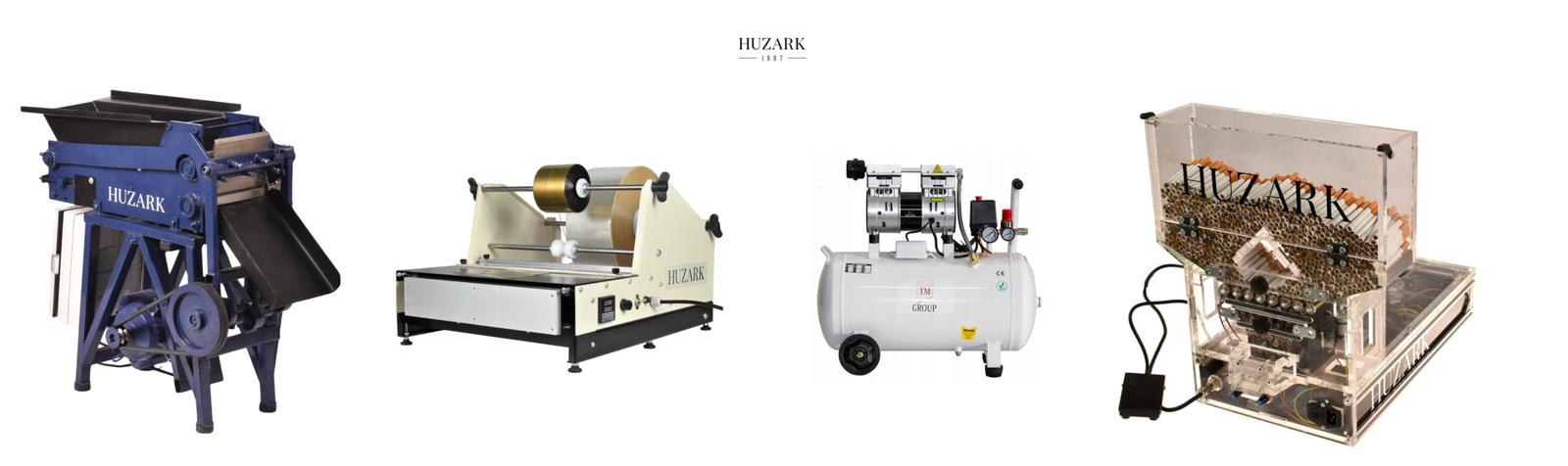
    This is where Huzark gives producers a practical European advantage. With pneumatic machines powered by compressed air, and with maker, injector, packer, and overwrapper solutions designed to support one another, Huzark helps manufacturers build production that can grow without losing its rhythm. Not just equipment from Europe, but a working standard: reliable, scalable, and ready for the pressure of real manufacturing.

    https://huzark.com/en/

  • Making Everyday Tasks Easier Through Home Automation

    Making Everyday Tasks Easier Through Home Automation

    Quick answer: Home automation simplifies daily routines by connecting household devices to a central network. This technology allows you to control lighting, climate, security, and appliances automatically or remotely. Setting up these smart systems saves valuable time, reduces energy costs, and creates a more comfortable, secure living environment.

    Most of us know the feeling of rushing out the door on a busy morning, only to spend the entire commute wondering if we left the coffee pot on or forgot to lock the front door. Managing a household requires constant attention, and those small daily chores quickly add up to a heavy mental load. Between balancing work, family, and personal time, keeping up with household tasks can feel like a never-ending cycle.

    This is exactly where technology steps in to offer a helping hand. By integrating connected devices into your living space, you can hand over the repetitive chores to a system that handles them automatically.

    Whether you want to wake up to a warmly lit room or ensure your property is secure while you travel, home automation transforms a standard house into an intuitive environment that actively works to support your daily routine.

    How can smart lighting and climate control improve your mornings?

    Waking up is rarely easy, but a connected home can make the transition from sleep to productivity much smoother. Instead of relying on a blaring alarm clock, you can program your smart blinds to open gradually with the sunrise. At the exact same time, your smart thermostat can adjust the temperature to a comfortable level so you do not have to step out of bed into a freezing room.

    You can even set your coffee maker to start brewing the moment your feet hit the floor. By the time you walk into the kitchen, the lights are on, the temperature is perfect, and your morning beverage is ready. This seamless morning routine sets a positive tone for the rest of the day, all managed silently by your home automation setup.

    What are the best ways to secure your property remotely?

    Security is a top priority for any homeowner, but constantly monitoring your property takes time and energy. Smart locks and connected cameras eliminate the guesswork. If you leave for work and realize you forgot to lock the front door, a simple tap on your smartphone secures the house instantly.

    You can also assign temporary digital keys to dog walkers, house cleaners, or visiting relatives, completely eliminating the need to hide a spare physical key under a doormat. Motion-activated cameras provide real-time alerts to your phone if someone approaches your porch, allowing you to see and speak to visitors from anywhere in the world.

    How does connecting your appliances reduce energy waste?

    Leaving lights on in empty rooms or running the air conditioning while nobody is home wastes both energy and money. Smart systems take the human error out of energy management. Motion sensors can automatically turn off lights when a room sits empty for a certain period.

    Smart thermostats learn your schedule over time, automatically lowering the heating or cooling when you leave the house and returning the climate to your preferred setting right before you arrive. You can also plug standard devices into smart outlets, allowing you to cut the power to power-hungry electronics remotely. This targeted approach to energy consumption lowers your monthly utility bills without requiring you to constantly monitor your usage.

    Stepping Into a Smarter Living Space

    Transitioning to a connected household does not require a massive immediate investment or a complete property renovation. You can start small by addressing the specific tasks that cause you the most daily friction.

    Begin by purchasing a few smart LED bulbs or a single smart plug to control your most heavily used appliances. Once you experience the convenience of controlling your environment from your phone or through voice commands, you can gradually expand your setup to include locks, thermostats, and security cameras. Embracing home automation gives you back your time, allowing you to focus on the things that truly matter while your house takes care of itself.

  • What Customers REALLY Want When They Call Your Business (Hint: It’s Not a Long Greeting)

    What Customers REALLY Want When They Call Your Business (Hint: It’s Not a Long Greeting)

    When a customer calls your business, every second matters. In those first few moments, they decide whether your company feels approachable, professional, or frustrating. Surprisingly, the biggest reason callers drop off has nothing to do with your agents — it starts earlier.

    It starts with your greeting.

    Most businesses believe a warm, elaborate welcome message creates a good first impression. But in reality, long greetings are one of the top reasons for customer frustration, higher call abandonment rates, and poor satisfaction scores.

    Today’s customers don’t want theatrics.

    They want speed, clarity, and direction.

    Let’s break down what customers truly expect when they dial your number — and how a smart IVR system helps you deliver exactly that.

    Customers Want to Reach the Right Person – Fast

    Customers call because they have a problem or question. They don’t want to hear a 20-second introduction, brand story, or unnecessary disclaimers.

    Instead, they want:

    • Quick options
    • Clear guidance
    • Simple choices

    A well-designed IVR does this effortlessly:

    “Press 1 for Sales, Press 2 for Support.”

    Easy. Direct. Efficient.
    This alone reduces call frustration by over 40%.

    They Want a Short, Clear, Human-Sounding Greeting

    You don’t need a long message.
    You don’t need background music.
    You don’t need three languages in one go.

    Customers prefer:

    • A friendly, not robotic, tone
    • A short 2–3 second welcome
    • A clear path on what to do next

    Example of a perfect greeting:

    “Welcome to ABC Services. Tell us how we can help you.”

    That’s it.

    Short greetings instantly lower caller fatigue.

    They Want Self-Service Options That Actually Work

    Today’s customers prefer self-service if it:

    • Saves them time
    • Gives instant answers
    • Doesn’t force them to wait for an agent

    Good IVR examples:

    • Order tracking
    • Account balance
    • Application status
    • Appointment booking
    • Store locations
    • Service availability

    When self-service options work, your call volume drops and customer satisfaction spikes.

    They Want to Avoid Repeating Information

    One of the biggest customer complaints in India:

    “Why do I have to repeat my details every time the call is transferred?”

    IVR integrated with CRM solves this instantly:

    • Caller ID pops up
    • Agent sees history
    • Previous issues appear automatically

    Customers feel understood without explaining everything again.

    They Want to Talk to a Human When Needed

    No matter how good your IVR is, sometimes a caller needs a real person.

    A major mistake businesses make?

    Not adding a human option.

    Customers should ALWAYS have:

    • “Press 9 to talk to a representative”
    • “Connect me with support”
    • “Agent” (AI routing)

    If customers feel trapped inside a menu, they drop the call – permanently.

    They Want Faster Resolutions, Not Longer Menus

    Every extra IVR layer adds friction.

    Ideal IVR menu depth?

    Two levels.
    Not five.
    Not seven.

    Example of a perfect flow:

    Level 1 → Sales / Support / Billing
    Level 2 → Sub-options based on department. Anything beyond that overwhelms customers.

    They Want Multi-Language Support (Without Confusion)

    India is multilingual.

    Your IVR should be too – but smartly.

    Don’t force all languages upfront.

    Recommended approach:

    “Press 1 for English, 2 for Hindi, 3 for Tamil.”

    Keep it simple, fast, and relevant to your geography.

    They Want You to Respect Their Time

    This is the core truth:

    Customers want speed, accuracy, and simplicity – not long greetings.

    A modern IVR system respects customer time by:

    • Reducing caller friction
    • Giving faster answers
    • Routing calls intelligently
    • Minimizing wait time
    • Offering self-service
    • Avoiding redundant questions

    This is what builds trust.
    This is what improves customer experience.
    This is what makes people choose your business again.

    How Smart IVR Helps You Deliver What Customers Want

    A well-designed IVR system helps you:

    • Improve customer satisfaction instantly
    • Reduce call handling time
    • Handle peak-hour loads without hiring more staff
    • Automate repetitive queries
    • Route calls based on skill, location, or language
    • Provide 24×7 support effortlessly
    • Enhance your brand professionalism

    If your business wants to attract, retain, and impress customers — starting with an effective IVR system is the fastest path.

    Conclusion

    Customers don’t care about long introductions.
    They care about getting help quickly.

    When you design your IVR with this mindset – short greetings, clear options, human fallback, multilingual support, and simple menus – your customers will feel valued, heard, and respected.

    A smart IVR doesn’t just route calls.
    It builds trust. And in today’s competitive world, trust is everything

  • Is Your Business Broadband Keeping Up With What Your Network Actually Demands?

    Is Your Business Broadband Keeping Up With What Your Network Actually Demands?

    There was a time when a 100Mbps connection felt like more than enough for a typical office. Then came cloud storage, video conferencing on every desk, collaborative platforms running simultaneously across teams, and more recently, AI tools generating and processing large volumes of data around the clock.

    What counted as adequate three years ago often does not hold up today. And the gap between what a broadband plan promises and what a business actually needs has a habit of only becoming visible when things start to slow down.

    AI traffic across enterprise networks doubled between 2024 and 2025 according to research by Omdia, and that growth is expected to continue outpacing conventional traffic for years ahead. For Singapore businesses running cloud-based applications, multi-site operations, or data-intensive workflows, the conversation around broadband has shifted. Speed still matters. But symmetrical performance, latency, reliability, and the ability to scale at short notice are what separate a connection that serves the business from one that constrains it.

    Why Symmetrical Speed Matters More Than Headline Figures

    Broadband plans are almost universally marketed on download speed. That number is the one that appears in large print, the one used in comparisons, and the one most buyers anchor their decision to.

    Upload speed tells a different story. For businesses that push large files to cloud servers, back up data remotely, run video calls with distributed teams, or support real-time collaboration tools, upload performance matters as much as download. An asymmetric plan with a strong download and a throttled upload creates a bottleneck that no headline figure will warn you about.

    Symmetric broadband, where upload and download speeds are equal, is what enterprise-grade fibre delivers at its best. At 10Gbps, that means 10 gigabits in both directions. For businesses moving significant volumes of data, that symmetry is not a luxury. It is a functional requirement.

    The Real Cost of Undersized Bandwidth

    Bandwidth constraints tend not to announce themselves dramatically. They surface in small, accumulating ways. Video calls that pixelate under load. File uploads that stall mid-transfer. Cloud applications that respond just slowly enough to interrupt a workflow. Staff who quietly learn to avoid certain tasks during peak hours because the network cannot handle the volume.

    None of these are catastrophic on their own. Added together, over a working week, across a team, they represent a consistent drain on productivity that does not show up on any single invoice but accumulates steadily in lost output and staff frustration.

    For businesses running point-of-sale systems, processing payments, supporting customer-facing applications, or operating in sectors where real-time data access is critical, the cost of an undersized connection becomes more direct. Delays are not inconveniences. They are service failures with measurable consequences.

    What 10Gbps Actually Unlocks

    The jump from 1Gbps to 10Gbps is not simply about doing the same things faster. It changes what is practical.

    Large file transfers that previously required scheduling around off-peak hours become routine. Multiple high-bandwidth applications running simultaneously, across multiple users and locations, no longer compete for capacity in ways that degrade performance. Real-time data processing, high-definition video production, and AI-assisted workflows that require constant, uninterrupted data throughput become genuinely viable for organisations that previously had to limit or sequence these activities.

    For businesses investing in edge computing, cloud-hosted systems, or AI tools that require high-frequency data exchange between endpoints and servers, 10Gbps connectivity provides the headroom to run those systems without the network itself becoming the limiting factor.

    The Singapore government has committed S$100 million to upgrade the nationwide broadband infrastructure, with 10Gbps availability rolling out progressively from 2025. Businesses planning their connectivity for the next two to three years are making that decision in a market where 10Gbps is no longer a specialist option but an increasingly standard one.

    Bandwidth on Demand: Paying for What You Actually Use

    One objection to higher-tier broadband is straightforward: most businesses do not run at peak load continuously. A 10Gbps connection running at 20% utilisation on an average Tuesday still costs the same as one running flat out.

    Bandwidth on demand addresses this. Rather than committing to a large permanent pipe and paying for unused capacity most of the time, businesses can maintain a right-sized baseline connection and scale up for specific periods, temporary surges, large transfers, or high-traffic events, then scale back down when the need has passed.

    For businesses with seasonal peaks, event-driven traffic spikes, or workloads that vary unpredictably, this model makes higher-tier connectivity economically practical in a way that a fixed high-capacity plan may not be.

    SPTel’s Enterprise Broadband Plans

    For businesses evaluating 10Gbps enterprise business fibre broadband in Singapore, SPTel’s Enterprise Internet Xtreme plan delivers scalable bandwidth up to 10Gbps on a 36-month contract. The plan includes a Wi-Fi 7 router, eight static IP addresses, and a 99.95% uptime SLA.

    SPTel’s network runs on an alternative fibre pathway, physically separate from the infrastructure shared by most other providers in Singapore. This means disruptions to the broader shared network do not cascade into downtime for businesses on SPTel’s connection. For organisations where uptime is non-negotiable, that network independence is a meaningful layer of protection.

    DDoS attack detection is included as standard across all plans, with on-demand mitigation available through SPTel’s software-defined network. Businesses can activate additional protection within minutes when traffic anomalies are detected, without pre-committing to full mitigation coverage as a permanent expense.

    Bandwidth on demand is available across SPTel’s plans. Through the customer portal, businesses can increase bandwidth within minutes, for periods as short as one hour, and scale back once the surge has passed. This flexibility means organisations are not locked into paying for peak capacity year-round when their actual requirements are more variable.

    A bandwidth utilisation dashboard gives businesses real-time visibility into their connection performance, so usage patterns are visible, anomalies are catchable early, and network decisions can be made on current data rather than estimates.

    With SPTel, you can access enterprise-grade broadband built for the bandwidth demands that modern business operations actually place on a network, with the flexibility to scale as those demands grow.

    Matching Your Plan to Where Your Business Is Heading

    The right broadband decision is not just about what your business needs today. It is about what the next contract term will look like.

    Cloud adoption in Singapore continues to expand. AI tools are moving from experimentation into operational deployment across more industries. Remote and distributed working models are placing new demands on connectivity that did not exist in the same way a few years ago. Each of these trends puts more pressure on the broadband connection underpinning all of it.

    A plan that feels adequate at signing can become a constraint before the contract expires. Understanding the direction of your network requirements, not just their current state, is the more useful frame for making a broadband decision that serves the business for the long term.

  • The Importance of Proactive NetSuite Maintenance for Business Continuity

    The Importance of Proactive NetSuite Maintenance for Business Continuity

    Businesses today rely heavily on integrated ERP platforms like NetSuite to manage core operations such as finance, inventory, order processing, CRM, and reporting. As organizations grow, their dependence on NetSuite becomes even more critical. However, many companies overlook a key factor that directly impacts system reliability and operational stability: proactive maintenance.

    Rather than reacting to issues after they disrupt operations, proactive NetSuite maintenance focuses on preventing problems before they occur. This approach plays a vital role in ensuring business continuity, minimizing downtime, and supporting long-term scalability.

    Understanding Proactive NetSuite Maintenance

    Proactive maintenance refers to the continuous monitoring, optimization, and enhancement of a NetSuite environment before issues escalate into system failures or performance bottlenecks. It involves scheduled health checks, performance tuning, data cleanup, script optimization, and system updates.

    Unlike reactive maintenance, which addresses issues only after they occur, proactive maintenance is strategic. It ensures that the ERP system remains stable, secure, and aligned with evolving business needs.

    For organizations relying on NetSuite as their operational backbone, this proactive approach is essential for maintaining uninterrupted workflows and reliable data integrity.

    Why Business Continuity Depends on NetSuite Stability

    Business continuity is the ability of an organization to maintain essential functions during and after disruptions. Since NetSuite often serves as the central hub for critical business processes, even minor system issues can have wide-reaching consequences.

    For example:

    • A slow-performing system can delay order fulfillment
    • Script errors can disrupt automated billing
    • Integration failures can break data flow between departments
    • Data inconsistencies can lead to inaccurate reporting

    Each of these issues can directly affect customer satisfaction, revenue, and operational efficiency. Proactive maintenance helps eliminate these risks by ensuring the system remains optimized and resilient.

    Key Benefits of Proactive NetSuite Maintenance

    1. Reduced System Downtime

    System downtime is one of the most expensive risks for any business. When NetSuite is unavailable or underperforming, entire workflows can stall.

    Proactive maintenance identifies potential issues such as script inefficiencies, overloaded workflows, or integration bottlenecks before they cause outages. By resolving these issues early, businesses maintain continuous access to their ERP system.

    2. Improved System Performance

    Over time, NetSuite environments can become slower due to increased data volume, customizations, and integrations. Without regular optimization, performance degradation is inevitable.

    Proactive maintenance includes:

    • Optimizing SuiteScripts
    • Cleaning up unused workflows
    • Archiving outdated records
    • Reviewing saved searches and reports

    These improvements help maintain fast system response times, ensuring users can complete tasks efficiently.

    3. Enhanced Data Accuracy and Integrity

    Accurate data is essential for decision-making. Poorly maintained systems often suffer from duplicate records, incomplete transactions, or synchronization errors between modules.

    With proactive monitoring, data issues can be detected early. Regular audits ensure that financial records, inventory data, and customer information remain consistent and reliable across the platform.

    4. Stronger Security and Compliance

    Security risks can emerge when systems are not regularly updated or monitored. Unauthorized access, outdated scripts, or misconfigured roles can expose sensitive business data.

    Proactive maintenance ensures:

    • Regular updates to security roles and permissions
    • Monitoring of user activity logs
    • Patch management for system updates
    • Compliance with industry regulations

    This reduces vulnerability and helps businesses maintain trust with clients and stakeholders.

    5. Better Integration Performance

    Most businesses use NetSuite alongside other systems such as CRM tools, eCommerce platforms, and third-party applications. These integrations are essential but can also become points of failure if not maintained properly.

    Proactive maintenance ensures that APIs, middleware, and connectors are functioning correctly. It also helps identify integration delays or data mismatches before they impact operations.

    6. Lower Long-Term Costs

    While proactive maintenance requires ongoing investment, it significantly reduces long-term costs. Emergency fixes, system outages, and data recovery efforts are far more expensive than regular system upkeep.

    By preventing major issues before they occur, businesses save on:

    • Emergency developer support
    • Revenue loss from downtime
    • Operational inefficiencies
    • Data correction efforts

    Common Risks of Neglecting NetSuite Maintenance

    Failing to maintain a NetSuite environment can lead to serious operational challenges, including:

    • System crashes during peak business hours
    • Broken workflows and automation failures
    • Slow report generation and analytics delays
    • Integration breakdowns with third-party systems
    • Inaccurate financial reporting
    • Increased security vulnerabilities

    These issues not only disrupt internal operations but can also damage customer trust and brand reputation.

    Key Components of an Effective Maintenance Strategy

    A strong proactive maintenance plan for NetSuite should include the following components:

    1. Regular System Health Checks

    Routine assessments of system performance, scripts, workflows, and integrations help identify potential risks early.

    2. Performance Optimization

    Continuous tuning of scripts, searches, and dashboards ensures optimal system speed and usability.

    3. Data Management

    Cleaning duplicate records, archiving outdated data, and ensuring consistency across modules.

    4. Security Monitoring

    Regular review of roles, permissions, and audit logs to prevent unauthorized access.

    5. Update Management

    Ensuring that new NetSuite releases are tested and implemented without disrupting existing workflows.

    6. Integration Audits

    Checking the health of all connected systems to ensure seamless data flow.

    The Role of Expert Support in Maintenance

    While some businesses manage NetSuite internally, many benefit from working with experienced professionals who specialize in ERP optimization. Expert support teams understand the complexities of NetSuite environments and can proactively identify issues that internal teams might overlook.

    These specialists provide:

    • Advanced troubleshooting
    • Custom script optimization
    • Integration management
    • System architecture improvements
    • Strategic guidance for scalability

    By leveraging expert support, businesses can ensure their ERP system evolves alongside their operational needs.

    Proactive Maintenance as a Growth Enabler

    Beyond preventing problems, proactive maintenance also supports business growth. A stable and optimized NetSuite environment allows companies to scale confidently without worrying about system limitations.

    As transaction volumes increase and business processes become more complex, a well-maintained system ensures:

    • Faster decision-making through reliable data
    • Smooth onboarding of new users and departments
    • Seamless expansion into new markets
    • Efficient handling of increased operational load

    In this way, maintenance is not just a technical requirement—it becomes a strategic advantage.

    Conclusion

    Proactive NetSuite maintenance is essential for ensuring business continuity in a technology-driven world. By focusing on prevention rather than reaction, organizations can maintain system stability, improve performance, and reduce operational risks.

    With platforms like NetSuite serving as the backbone of modern business operations, maintaining system health is no longer optional—it is a critical business strategy.

    Companies that invest in proactive maintenance position themselves for long-term success, operational resilience, and sustainable growth in an increasingly competitive environment.

  • Ironmartonline Reviews: What Real Users Say About This Heavy Equipment Platform

    Ironmartonline Reviews: What Real Users Say About This Heavy Equipment Platform

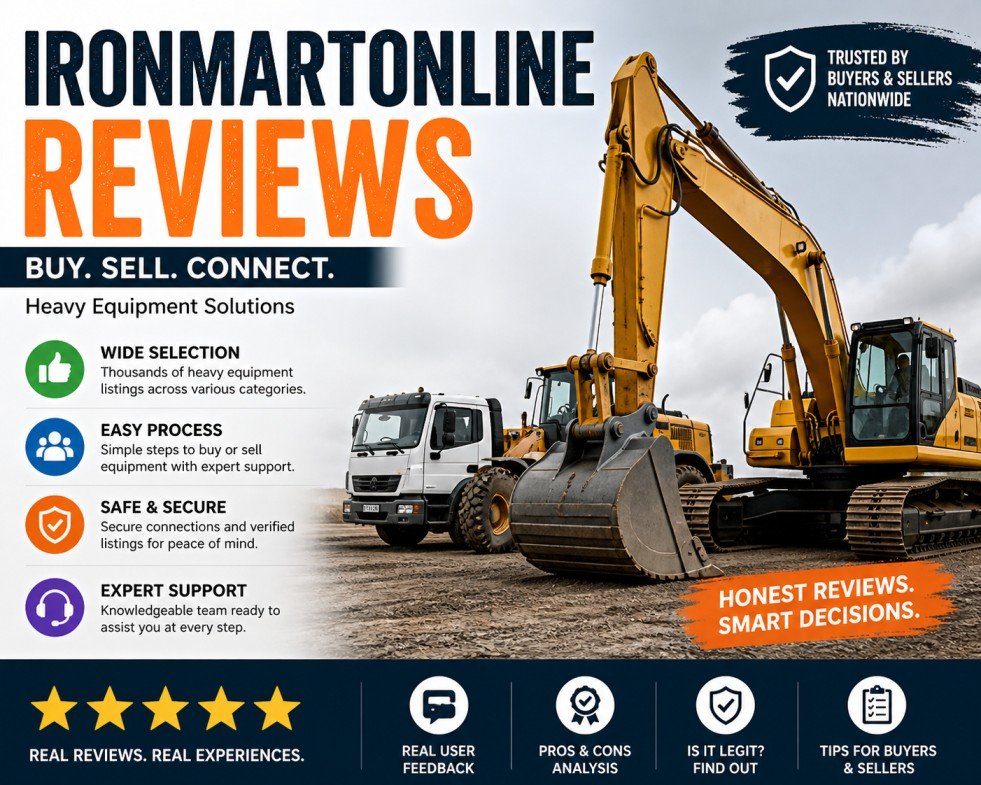
    Ironmartonline reviews have been gaining attention among buyers and sellers of heavy machinery, especially those looking for a simpler way to connect without dealing with complex marketplaces. But what is the real story behind this platform? Is it reliable, or does it come with risks that users should understand before getting involved?

    This article takes a closer, human-centered look at how Ironmartonline works, what real users experience, and whether it’s truly worth your time and money.

    A Platform Built for a Niche Audience

    Ironmartonline is not your everyday online marketplace. It focuses specifically on used heavy equipment, including construction machinery, trucks, trailers, and industrial tools. Instead of acting as a direct seller, the platform works as a broker, connecting buyers and sellers while helping manage listings and communication.

    This setup is important to understand because many Ironmartonline reviews highlight confusion from users who initially expected a traditional eCommerce experience. In reality, it operates more like a middleman service, similar to how real estate agents connect buyers and property owners.

    How the Process Actually Works

    From firsthand observations and consistent user feedback, the process on Ironmartonline follows a structured but somewhat hands-off approach. Sellers submit their equipment details, and the platform creates listings, often including photos, specifications, and pricing information.

    Buyers browse these listings and contact the platform to express interest. From there, communication is facilitated, but the final transaction usually happens directly between buyer and seller. This detail appears frequently in Ironmartonline reviews and is one of the most important aspects to keep in mind.

    Because the platform does not own or physically inspect most items, transactions are typically completed on an “as-is” basis. This means there are no guarantees or warranties unless the seller specifically provides them.

    What People Like About Ironmartonline

    Many Ironmartonline reviews reflect a generally positive experience, particularly from sellers. One of the biggest advantages is the exposure the platform provides. Instead of struggling to find buyers independently, sellers can list their equipment and reach a targeted audience that is already interested in heavy machinery.

    Buyers, on the other hand, often appreciate the variety of listings available in one place. For those who understand the nature of used equipment markets, the platform can feel straightforward and efficient.

    Another point that stands out is the human interaction. Unlike automated marketplaces, Ironmartonline involves real representatives who assist with communication and coordination. Several users mention that this personal touch makes the process feel more guided, especially when dealing with high-value transactions.

    Where Concerns Come In

    Despite the positive feedback, Ironmartonline reviews also reveal some consistent concerns that should not be ignored.

    One of the most common issues is the lack of built-in buyer protection. Since payments are often made directly to sellers, the platform does not act as a financial intermediary. This means buyers must take extra steps to verify the legitimacy of the seller and the condition of the equipment.

    Another concern revolves around equipment condition. While many listings are accurate, there are cases where the actual condition of a machine does not fully match expectations. This is not uncommon in the used equipment market, but it does highlight the importance of inspections.

    Response times and communication can also vary. Some users report smooth and timely interactions, while others mention delays, particularly during busy periods. These mixed experiences are a recurring theme in Ironmartonline reviews.

    Is Ironmartonline Legitimate

    A question that appears often is whether the platform is legitimate or not. Based on available information and user experiences, Ironmartonline is generally considered a legitimate business operating in the heavy equipment brokerage space.

    It has been around for years and continues to facilitate transactions between buyers and sellers. However, legitimacy does not automatically mean risk-free. The nature of the platform places more responsibility on the user compared to traditional marketplaces.

    Understanding this distinction is key. Many negative Ironmartonline reviews come from mismatched expectations rather than actual fraudulent activity.

    Experience Matters More Than the Platform

    One clear pattern emerges when analyzing Ironmartonline reviews: the outcome often depends on the user’s level of experience.

    Buyers who are familiar with heavy equipment tend to have better experiences because they know how to evaluate listings, ask the right questions, and arrange inspections. On the other hand, inexperienced buyers may find the process overwhelming or risky.

    The same applies to sellers. Those who provide detailed and honest listings usually benefit the most, while vague or incomplete listings can lead to delays and mistrust.

    Safety Tips That Come From Real Use

    From practical observation and repeated feedback, there are a few habits that experienced users consistently follow when using platforms like Ironmartonline.

    They never rely solely on photos and descriptions. Instead, they arrange independent inspections or request detailed videos before making a decision. This step alone can prevent many of the issues mentioned in Ironmartonline reviews.

    Clear communication is another essential factor. Asking direct questions about the machine’s history, usage, and maintenance helps reduce uncertainty. Experienced buyers also verify seller details to ensure they are dealing with a genuine party.

    Patience plays a role as well. Unlike instant online purchases, heavy equipment transactions take time. Rushing the process often leads to mistakes.

    Why Ironmartonline Still Attracts Users

    Despite the risks, Ironmartonline continues to attract both buyers and sellers. The reason is simple: it fills a specific gap in the market.

    Heavy equipment is not something people buy casually. These are high-value items that require a more personalized approach. Ironmartonline provides a space where such transactions can happen with some level of guidance, even if it is not fully hands-on.

    For sellers, the platform offers visibility without the need for extensive marketing. For buyers, it provides access to equipment that might not be easily found elsewhere.

    This balance is reflected in many Ironmartonline reviews, where users acknowledge both the convenience and the responsibility involved.

    A Balanced Final Thought

    Ironmartonline reviews paint a picture that is neither overly positive nor entirely negative. Instead, they reveal a platform that works well when used correctly but can lead to problems if approached carelessly.

    It is best understood as a tool rather than a complete solution. Those who take the time to verify details, communicate clearly, and understand the process are more likely to have a successful experience.

    In simple terms, Ironmartonline is reliable, but it expects users to be responsible. That combination can be powerful for the right audience.

    Read More Articles: Generate Robots.txt Files SpellMistake

    Frequently Asked Questions

    What is Ironmartonline used for
    Ironmartonline is used to buy and sell used heavy equipment such as construction machinery, trucks, and industrial tools through a brokerage-style platform.

    Are Ironmartonline reviews mostly positive or negative
    Ironmartonline reviews are mixed. Many users report positive experiences, especially sellers, while some buyers highlight risks related to equipment condition and lack of guarantees.

    Is Ironmartonline safe to use
    It is generally safe, but it does not offer strong buyer protection. Users should verify all details, inspect equipment, and communicate carefully before making payments.

    Does Ironmartonline handle payments
    In most cases, payments are made directly between the buyer and seller. The platform mainly facilitates communication rather than acting as a payment processor.

    Who should use Ironmartonline
    It is best suited for experienced buyers and sellers who understand the used equipment market and are comfortable handling inspections and negotiations independently.