Category: Health

  • How Nutrition Affects Muscle Recovery: Key Nutrients for Active Individuals

    How Nutrition Affects Muscle Recovery: Key Nutrients for Active Individuals

    The good workout is more than challenging your muscles. It stimulates your body’s needs for energy, fluids, amino acids and other nutrients that are needed during the healing phase. Your recovery post-training meals, in particular, can thus affect your muscles’ ability to heal, replenish energy and get ready for your next workout.

    Nutrition and exercise should go hand-in-hand. Even if you have a workout plan, it can seem more difficult without proper nutrition. If you’re active and looking to improve your selection of food to aid your recovery, understanding the link between food and recovery can be of great help without the need for overly complex diets or supplements.

    Protien Provides the Building Blocks for Muscle Repair

    If you are a regular exercise enthusiast, protein is one of the essential nutrients you need to have. When exercising for strength or other strenuous activities, normal levels of stress are placed on the muscles. Protein provides the ingredients (Amino Acids) needed to repair and maintain that tissue.

    Protein in the diet comes from eggs, chicken, fish, milk, yogurt, cottage cheese, beans, lentils, tofu and others. Eating protein throughout the day can also help you achieve your daily protein goals without having to eat a huge meal and help you maintain good heart health.

    Protein requirements may be greater for active persons than for sedentary persons. The dosage depends on the individual, type of training, diet and desired outcome.

    Carbohydrates Help Restore Energy

    However, in fitness discussions carbohydrates are not always treated well, but they’re an essential part of recovery. During exercise, muscle stores carbohydrate as glycogen which can be broken down for energy.

    Following a strenuous exercise session, it’s important to replenish the carbohydrates used during physical activity by consuming carbohydrate-rich foods. A balanced recovery meal can easily accommodate carbohydrates like fruits, oats, rice, potatoes, whole grain bread, beans, and more.

    The amount of urgency associated with carbohydrate replacement will depend on the type of workout and how much time until the next workout. A person who is undergoing training again in a few hours would have different recovery needs than someone who has a day or more before training again.

    Rehydration is Recovery

    Exercising while sweating causes loss of water and electrolytes from the body. Fluid replacement after the training will aid the body to restore its normal fluid balance and assist in many recovery processes.

    Water and normal food is adequate for shorter or moderate exercise periods. Additional electrolyte replacement may also be necessary if the training is longer, the training is sweaty, if it takes place in hot weather, or if it is repeated.

    Don’t wait until you are very thirsty to drink water, try to drink water throughout the day. It’s not so easy to replace all fluids after exercise, so use them up during the day.

    Healthy Fats Support a Balanced Diet

    Fat is additional critical component of nutrition. Nuts, seeds, avocados, olive oil and fatty fish are a source of fat and other good ingredients.

    Active people don’t need to eliminate fats from a recovery diet, but instead, they should learn to select nutritious fats and control their intake to match their total energy needs. A well-rounded diet is key to a consistent training regimen and recovery.

    Eating for Health and Safety

    Regaining muscle isn’t just about protein and carbs. Vitamins and minerals play a role in many functions such as energy production, fluid balance, normal muscle function and more in the body.

    A diverse diet of vegetables, fruits, whole grains, dairy or alternatives, legumes, nuts, seeds and quality protein foods can ensure a wide spectrum of micronutrients.

    That’s why a food first approach is beneficial. Don’t single out a single nutrient, but create meals using a variety of foods that aren’t highly processed.

    Where Do Muscle Recovery Supplements Fit?

    For those with poor appetite, especially those with a busy lifestyle or increased nutritional needs, supplements can be a great ease. They should be used in addition to a healthy diet, however.

    If a person’s diet is not providing enough nutrients, he or she could consider taking a Muscle Recovery Supplements. The right selection will be based on the individual’s requirements, food consumption, training program requirements and product quality.

    The quantity of the information to be extracted is also not necessarily more for better. If you are taking several products without considering the other products you are eating, you may be getting more nutrients than you need.

    Think of your diet, take the time, but think even more about your overall diet.

    However, it is more important that most active people have a steady intake of food and beverages around the clock. Eating a post-workout meal that includes protein, carbohydrates, fluids and nutrient-rich foods within an appropriate time frame after exercise can be a useful recovery plan.

    For instance, a breakfast of Greek yogurt and fruit and oats, whole grain toast and eggs, chicken and rice and vegetables, or a bean and rice serving meal can include a balanced mix of nutrients to help get better.

    Keep Recovery a part of your healthy lifestyle.

    Successful recovery is only a part nutrition. In addition to a balanced diet, good sleep, sufficient rest days, sensible training progression and sensible hydration all complement quality sleep.

    An eating pattern that is good for you can also contribute to other healthy objectives such as good Heart Health. To make exercise nutrition an integral part of a healthy lifestyle, select whole food, vegetables, fruit, fiber-rich grains, lean proteins and unsaturated fat sources.

    It’s consistency that’s the key. Instead of trying to find the “one” correct recovery meal, try to provide adequate energy, protein, carbs, fluids, vitamins and minerals throughout the day. These little decisions can help make your training more manageable over time, and recovery more effective.


  • Why Healthcare Providers Prefer to Schedule Consultation With Thera in Their Practices

    Why Healthcare Providers Prefer to Schedule Consultation With Thera in Their Practices

    Healthcare providers face the ongoing challenge of delivering high-quality care while managing operational efficiency. The integration of innovative solutions like Thera is transforming the way practices operate, offering a seamless approach to consultations. This article delves into why practitioners increasingly choose to Schedule Consultation With Thera in their practices. We will explore how Thera enhances patient outcomes, improves practice efficiency, and strengthens provider-patient relationships.

    Why Healthcare Providers Value Thera for Consultations

    Thera’s platform offers robust EMR Interoperability, allowing healthcare providers to access and share patient data seamlessly. This feature is critical in ensuring that medical histories are complete and accurate, facilitating better clinical decision-making. In an industry where Clinical Decision Support Systems are paramount, Thera’s integration ensures that healthcare providers have the necessary data to make informed decisions. Moreover, the platform supports ICD-10 Compliance, helping practices stay updated with the latest coding regulations, which reduces billing errors and improves reimbursement rates.

    Providers also appreciate Thera’s ability to incorporate Telehealth Integration into their services. With the increase in demand for remote consultations, Thera allows for a smooth transition to virtual care, meeting patients’ needs efficiently. This capability is especially beneficial for reaching patients in rural areas where access to healthcare is limited, thereby broadening the reach of medical services.

    Enhancing Patient Outcomes with Thera’s Support

    Thera plays a vital role in enhancing patient outcomes by supporting the Value-Based Care Model. By focusing on quality over quantity, healthcare providers are encouraged to deliver care that leads to better patient outcomes. Thera’s tools facilitate this by tracking HEDIS Metrics, which are essential in measuring the effectiveness of care provided. This data-driven approach ensures that patient care is continuously monitored and optimized.

    Furthermore, Thera’s integration of Patient-Centric Care Protocols ensures that each patient’s unique needs are addressed. This personalized approach not only improves patient satisfaction but also leads to better compliance with treatment plans. The inclusion of Advanced Care Planning within Thera’s framework allows for thoughtful discussions around future healthcare preferences, providing patients with a sense of control over their care.

    Streamlining Practice Efficiency through Thera Integration

    Efficiency is crucial in any healthcare setting, and Thera excels in streamlining workflows. The platform supports the Utilization Review Process, which helps practices evaluate the necessity of treatments and procedures. By ensuring that only medically necessary services are provided, practices can optimize resource allocation and reduce unnecessary costs.

    Thera also enhances practice efficiency through its support for Remote Patient Monitoring Devices. These devices allow for continuous monitoring of patients’ health metrics, enabling providers to make timely interventions when necessary. This proactive approach to care not only improves patient health outcomes but also decreases hospital readmissions and emergency department visits.

    Building Stronger Provider-Patient Relationships with Thera

    Strong provider-patient relationships are the cornerstone of effective healthcare delivery. Thera facilitates these relationships by offering tools that promote clear communication and understanding. The platform’s integration of SDOH (Social Determinants of Health) allows providers to consider factors such as socioeconomic status and access to resources when developing care plans, leading to more tailored and effective interventions.

    Thera also supports providers in adhering to SNF Regulations, ensuring that care is compliant and of the highest standard. This commitment to quality care builds trust with patients, who feel confident in the care they receive. By fostering an environment of transparency and collaboration, Thera helps healthcare providers maintain strong, lasting relationships with their patients.

    Conclusion

    Healthcare providers increasingly prefer to integrate Thera into their practices for its comprehensive support in improving patient care and operational efficiency. With features ranging from EMR interoperability to advanced care planning, Thera is a valuable partner in delivering high-quality healthcare. For providers looking to enhance patient outcomes and strengthen relationships, scheduling a consultation with Thera is a strategic step forward.

  • How to Choose Prescription Sunglasses That Actually Work for Your Lifestyle

    How to Choose Prescription Sunglasses That Actually Work for Your Lifestyle

    If you wear glasses, sunny days come with a particular kind of inconvenience that non-glasses wearers rarely think about. You can squint through the glare without your prescription lenses, swap to sunglasses and lose the ability to see clearly, or carry two pairs and hope you remember which pocket you put the other ones in. None of these are good options, and yet a surprising number of people with prescriptions put up with this situation for years before making the switch to prescription sunglasses. According to the Vision Council, more than 58% of US adults wear non-prescription sunglasses, yet only 31% protect their eyes with sunglasses every time they go outside. The World Health Organization estimates that over 15 million people suffer from UV-induced eye conditions annually, and approximately 70% of ophthalmologists recommend prescription sunglasses for anyone with significant outdoor activity. The rest of this guide covers how to make sure the pair you choose actually earns its place in your daily routine rather than sitting unused after the first month.

    Start With How You Actually Spend Time Outdoors

    Before looking at frames or lenses, the most useful first step is an honest account of where and how you spend time outside. Someone who commutes by car in a sunny climate has different requirements from someone who runs trails in variable light conditions, and both have different needs from a person whose main outdoor activity is sitting at a cafe or attending outdoor events. The reason this matters is that prescription sunglasses involve a real investment, and the pair that works best for one lifestyle can be genuinely wrong for another. Lens tint, frame coverage, and lens technology all vary significantly depending on the demands of the activity, and choosing based on appearance alone without accounting for use tends to produce a pair that looks right but performs poorly in the specific conditions where it is most needed. When shopping for prescription sunglasses, filtering by activity or use case rather than starting with aesthetics tends to produce a better outcome, since the better retailers organise their ranges around how people actually use their eyewear rather than purely by style category. Knowing your use case before you start browsing makes every subsequent decision considerably easier.

    Understand the Lens Options Before Choosing a Frame

    Lens choice is the most technically significant decision in buying prescription sunglasses, and it is the one most people spend the least time on because frames are more visually obvious. The core options are polarised lenses, which reduce glare from reflective surfaces like water, roads, and car bonnets; photochromic lenses, which adjust their tint in response to light levels and work across a wider range of conditions; and fixed tint lenses, which come in different darkness levels suited to different environments. Polarised lenses are the strongest choice for anyone spending time near water, driving frequently, or working in environments with significant glare, since they filter the specific wavelengths of light that cause glare rather than just reducing overall brightness. Photochromic lenses suit people whose time outdoors involves variable light, moving between shade and direct sun, or using the same pair for both indoor and outdoor settings. Fixed tints in darker shades suit consistent, bright conditions and tend to offer the clearest optical quality at a given price point. Getting the lens specification right for the actual conditions you wear them in is worth more than any frame feature.

    Match Frame Coverage to the Activity

    Frame size and coverage affect both sun protection and optical performance in ways that are easy to overlook when choosing based on style alone. A smaller, fashion-forward frame may look cleaner, but if it leaves significant gaps above or at the sides of the lens, direct sunlight and peripheral glare still reach the eye, which defeats part of the purpose of wearing sunglasses in the first place. For activities involving direct sun exposure, water, or high-speed movement, a frame with wider lens coverage and close-fitting sides performs considerably better than a minimal frame, even if the lenses carry an identical prescription and tint. Wrap-style frames, which curve slightly around the face, are worth considering for anyone who spends time cycling, running, or in environments with high reflected light, since they address the peripheral gaps that standard frames leave open. The trade-off is that highly curved frames require a specific lens construction to maintain prescription accuracy across the full lens surface, which affects cost and limits the prescription range that can be accommodated. Knowing this before shopping prevents the disappointment of choosing a wrap frame and then discovering it is not compatible with your prescription.

    Consider Your Prescription Strength and Its Limitations

    Not all frame styles work with all prescriptions, and understanding where your prescription sits on the scale of complexity helps narrow the options before you fall in love with a frame that turns out to be impractical for your lenses. Stronger prescriptions produce thicker lenses, and in larger frames that thickness becomes more visible at the edges, which affects both aesthetics and weight. High-index lens materials address this by producing thinner lenses at the same prescription strength, and they are worth the additional cost for anyone with a prescription above plus or minus three dioptres who plans to wear their sunglasses regularly rather than occasionally. Progressive prescriptions, which correct for both distance and near vision, add another layer of consideration: the reading portion of a progressive lens sits in the lower part of the lens, and very curved or very small frames can cut into this zone in ways that make close-range vision uncomfortable. Getting advice from an optician about which frame shapes are compatible with your specific prescription before committing saves a significant amount of back and forth after the fact.

    Think About Durability and Fit for Long-Term Wear

    A pair of prescription sunglasses that fits well on the first day but shifts during movement, leaves marks on the nose after an hour, or feels heavy by mid-afternoon will eventually stop being worn, regardless of how well the lenses perform. Fit is worth treating as seriously as any other specification, particularly for people who plan to wear their sunglasses during physical activity. Adjustable nose pads, which allow the fit to be fine-tuned to individual face geometry, make a meaningful difference for all-day comfort compared to fixed pads that sit at a standard height. Frame material affects both weight and durability: lightweight materials like titanium and certain nylon composites hold up better under regular outdoor use than standard acetate frames, which can warp in heat and become brittle with age. For prescription sunglasses worn in active or outdoor contexts, a frame with rubberised grip points at the nose and temples prevents the glasses from sliding during movement, which is a detail that matters considerably on a run or a bike ride and is easy to overlook when trying frames on in a shop.

    Conclusion

    Choosing prescription sunglasses that actually work for your lifestyle comes down to answering a few specific questions honestly before you start browsing: where do you wear them, what conditions do they need to perform in, what does your prescription require, and how long do you need them to last under real use. The pairs that end up being genuinely useful are almost always the ones chosen with those questions answered rather than the ones that looked best in a product photo. Take the time to get the lens specification right for your actual conditions, choose a frame that fits the activity rather than just the aesthetic, and make sure the construction is suited to how often and how hard you plan to wear them. That combination produces a pair of sunglasses that earns its place in your daily routine rather than sitting unused after the novelty wears off.

  • Advancements in Dental Implant Technology and Their Impact on Modern Smiles

    Advancements in Dental Implant Technology and Their Impact on Modern Smiles

    Dental implants stand at the forefront of restorative dentistry, seamlessly blending durability with aesthetics to provide life-changing results for patients experiencing tooth loss. As techniques and materials continue to evolve, people seeking dental implants in West Palm Beach or anywhere else are discovering solutions that mimic nature more closely than ever before. With ongoing innovations, these restorative procedures have become more accessible and patient-friendly. Patients benefit from shorter recovery times, improved comfort, and more reliable outcomes, transforming not only their oral health but also their overall confidence. Remarkable breakthroughs have positioned modern dental implants as the gold standard for smile restorations.

    Evolution of Dental Implants

    Dental implants were once rudimentary, lacking the finesse and comfort seen in today’s restorative solutions. The earliest forms were bulky and gave limited satisfaction in replicating natural teeth. Over the decades, these implants have evolved through ongoing research and patient-focused innovation. Today’s dental implants are carefully engineered to provide both structural integrity and cosmetic appeal, serving as individual tooth replacements or as secure anchors for larger prosthetic devices. This progression has not only improved appearance and function but has also significantly increased long-term success rates.

    Materials and Design Innovations

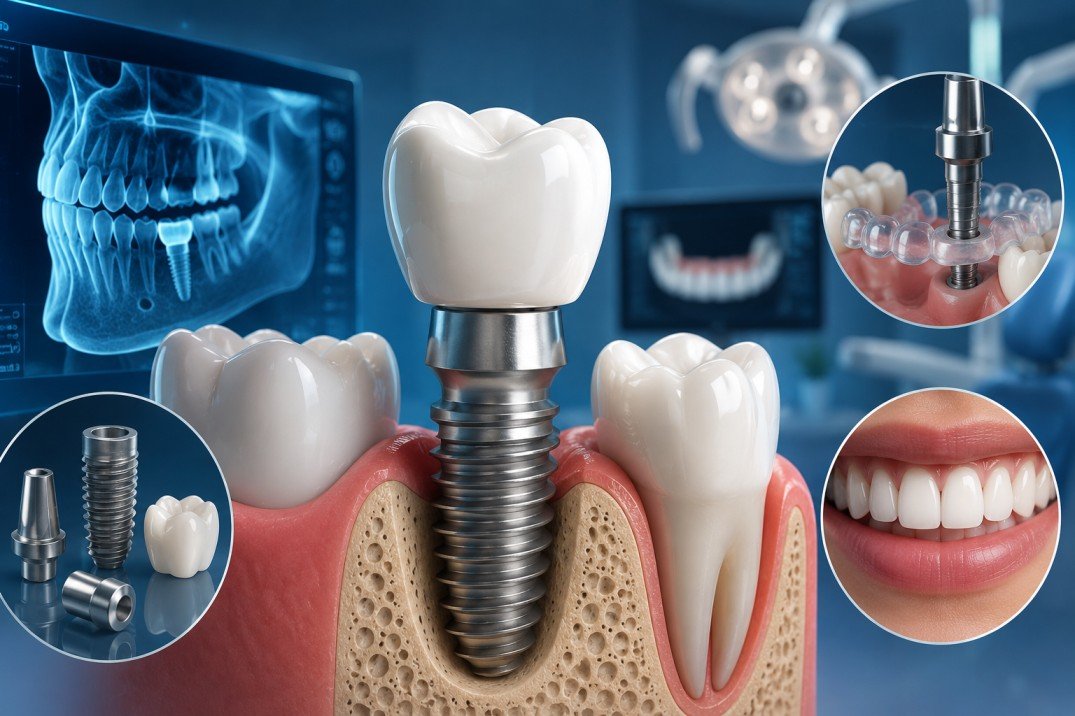
    Contemporary dental implants are constructed from biocompatible materials such as titanium and zirconia. These substances integrate readily with the jawbone, a phenomenon known as osseointegration. This biological process is crucial to ensuring the implant remains a stable, permanent fixture in the mouth. The use of textured surfaces and innovative implant shapes has refined the speed and quality of bone bonding. For the patient, this means faster healing and a reduced likelihood of complications. Furthermore, companies and research groups have developed designs that closely replicate the dimensions and angles of natural teeth, improving both aesthetic outcomes and overall comfort.

    Technological Advancements in Implantology

    The rise of digital dentistry has enabled highly accurate implant procedures. Technologies such as 3D imaging, digital impressions, and cone beam computed tomography (CBCT) scans allow dental professionals to visualize the internal anatomy of the mouth with remarkable detail. With these digital resources, implant placement is meticulously planned and executed, reducing surgical risks and decreasing treatment timelines. Patients benefit from targeted and minimally invasive interventions, experiencing less discomfort and faster recovery.

    Minimally Invasive Techniques

    Innovative surgical techniques now allow implants to be placed with minimal disruption to soft tissue and nerve structures. Using computer-guided surgery and precision tools, dentists can perform these procedures through tiny incisions. This approach minimizes trauma, speeds healing, and enhances the natural feel of the implant in the mouth. Patients benefit not only from reduced post-operative pain but also from the preservation of healthy gum and bone tissue for a more authentic smile experience.

    The Rise of All-on-4 Implants

    Patients who are missing an entire arch of teeth now benefit from the All-on-4 system, which uses just four strategically placed implants to anchor a full prosthetic arch. This innovation has transformed tooth replacement, making it less invasive, quicker to complete, and more affordable than traditional approaches. With reduced need for bone grafting and fast turnaround for fitted prosthetics, All-on-4® has become an ideal solution for those seeking comprehensive smile restoration with minimal stress and downtime.

    The next wave of progress in dental implants is already underway, with researchers exploring ‘smart’ dental implants that incorporate sensors. These sensors can monitor variables such as bite force and detect early signs of infection or other complications, alerting both patient and practitioner to potential issues before they become problematic. Future trends include further personalization of implant materials and design, as well as integration with digital monitoring apps, promising even better care and longer-lasting results for dental implant patients.

    Benefits of Modern Dental Implants

    • Natural Appearance: Modern implants are customized to match the shade and contour of adjacent teeth, creating a blend that is virtually indistinguishable from natural dentition.
    • Improved Functionality: Dental implants restore the full function of the mouth, enabling patients to eat, speak, and smile with confidence.
    • Long-Term Durability: With proper care and hygiene, implants can offer decades of reliable service without the need for routine replacement.
    • Bone Preservation: Implants stimulate the jawbone, halting the bone loss often seen with missing teeth.
    • Enhanced Comfort: Modern techniques and materials ensure implants feel natural, with less discomfort than earlier restoration options.

    Conclusion

    Advancements in dental implant technology have created solutions that prioritize both function and aesthetics, offering patients restorations that look, feel, and perform like natural teeth. Improvements in imaging, 3D planning, and materials have made procedures more precise, comfortable, and predictable than ever before. As research and innovation continue to progress, future developments are expected to deliver even more personalized treatments, faster healing times, and enhanced long-term durability. Dental implants have become closely associated with renewed confidence, improved oral health, and a better overall quality of life for patients of all ages. Their continued evolution ensures they remain one of the most effective and trusted options for tooth replacement. For those seeking a lasting restoration of their smile, dental implants represent a reliable, science-driven solution that continues to set the standard in modern restorative dentistry.

  • The Link Between Oral Health and Overall Health

    The Link Between Oral Health and Overall Health

    People often treat oral care like a small daily chore, somewhere between checking the kettle and remembering where the keys went. Brush, rinse, spit, done. Yet the mouth has a habit of being a bit more dramatic than that. It is not just about keeping teeth looking neat in photos or avoiding that awkward dentist chair sigh. Oral health sits right in the middle of wider wellbeing, and when things go wrong in the mouth, the rest of the body can feel it too.

    In Australia, where long workdays, takeaway lunches, and the odd too-many-coffees habit are part of the routine for plenty of us, it is easy to let mouth care slip into autopilot. That is fine for a while. Then comes the bleeding gum, the sensitive tooth, the sudden bad breath that makes you question your life choices. Small signs, sure, but they can point to bigger issues brewing underneath.

    Why the mouth matters more than people think

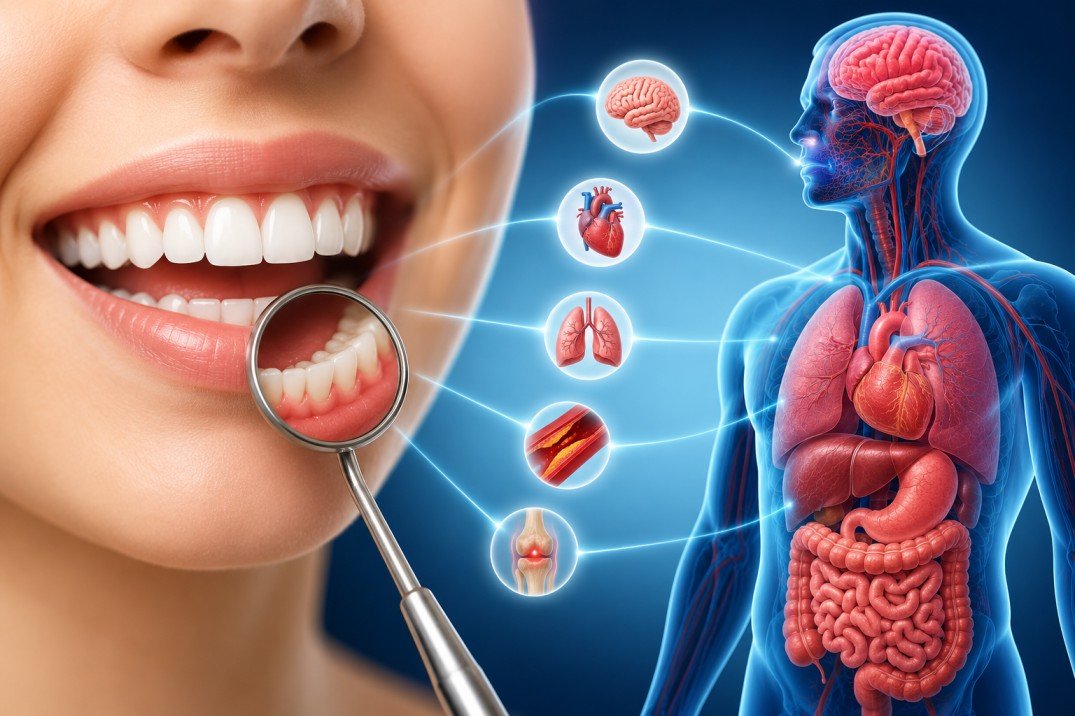
    The mouth is a busy place. It deals with food, drink, bacteria, saliva, speech, and all the chewing life throws at it. It is also one of the main entry points into the body. That means problems in the mouth rarely stay neatly in the mouth. Bacteria from gum disease, for example, can enter the bloodstream and stir up trouble elsewhere.

    This does not mean every sore tooth is a disaster waiting to happen. Far from it. Still, the connection between oral health and overall health is real enough to deserve attention. Dentists have been pointing this out for years, and patients often only realise it once a small dental issue snowballs into something that affects sleep, eating, or confidence at work.

    Gum disease and what it can stir up

    Gum disease is one of the better-known examples of oral health affecting the rest of the body. It often starts quietly, with swollen gums or a bit of blood when brushing. Easy to brush off, pun intended. But if it is left alone, it can progress and cause deeper inflammation.

    Inflammation is the key word here. The body does not particularly enjoy long-term inflammation, whether it starts in the gums or elsewhere. Research has linked gum disease with a higher risk of heart problems, diabetes complications, and other health concerns. The relationship is not always simple, and one issue does not automatically cause the other, but the overlap is hard to ignore.

    In practical terms, someone with poorly controlled diabetes may find gum disease harder to manage. At the same time, gum inflammation can make blood sugar control trickier. It becomes a bit of a messy feedback loop, rather like trying to clean the kitchen while someone keeps making toast.

    Heart health and the mouth

    There has been plenty of discussion about oral bacteria and heart health, and for good reason. Some studies suggest that bacteria from infected gums may contribute to plaque build-up in blood vessels. That is not a pleasant thought before breakfast, but it is worth knowing.

    For everyday people, the takeaway is fairly simple. Healthy gums are not just about a clean smile. They are part of the wider picture of keeping the body in decent working order. If the gums are regularly bleeding, sore, or receding, that deserves a proper look, not a shrug and a promise to floss after the weekend, which somehow never arrives.

    Diabetes and oral health: a two-way street

    Diabetes and oral health have a particularly tight relationship. High blood sugar can make infections more likely and slow healing. That includes the mouth, where gum disease and infections can become more stubborn. On the flip side, ongoing oral inflammation can make diabetes management more difficult.

    For many Australians living with diabetes, regular dental checks are not a luxury. They are part of sensible health management. A mouth that is comfortable and infection-free is one less thing to juggle. Anyone who has dealt with a throbbing tooth while trying to get through a work shift will know how much a tiny problem can hijack the whole day.

    Breathing, sleep, and the sneaky oral connection

    Oral health also brushes up against breathing and sleep. Problems like jaw misalignment, crowded teeth, or chronic mouth breathing can affect rest quality. Sleep can become choppy, and poor sleep has its own ripple effect across mood, focus, appetite, and energy.

    In some cases, dental issues can sit alongside sleep apnoea or snoring concerns. That is where professional assessment matters. A quick look at the teeth alone is not always enough. The mouth, jaw, and airway often work as a team, whether they want to or not.

    If you have ever woken up with a dry mouth after a night of snoring, you already know how grumpy that can make a person. It is hardly the glamorous side of health, but it counts.

    How diet links the two together

    What people eat affects both their teeth and the rest of their body. Sugary snacks, fizzy drinks, and constant grazing can feed the bacteria that cause decay. That same pattern can also shape energy levels, weight, and metabolic health.

    Australia has no shortage of tempting food culture. A bakery stop on the way to work, the pub meal after footy, the weekend sausage sizzle, they all have their place. The issue is balance. Teeth do better when they get a break between meals, and the body tends to appreciate that too. Water, fibre-rich foods, dairy, and crunchy vegetables all help more than they get credit for.

    Stress shows up in the mouth as well

    Stress has a habit of turning up where it is least wanted. Some people clench their jaw without noticing. Others grind their teeth at night. A few end up with mouth ulcers when life gets too full-on. Stress can also lead to skipped brushing, more snacking, or a bit less patience with the basics.

    That is one reason oral health often slips during busy periods. The mouth is sensitive to routine changes, and stress tends to nudge routines off the rails. A sore jaw or worn-down teeth can be a clue that the body is carrying more tension than it should.

    When small signs deserve attention

    It is easy to dismiss little changes, but the mouth tends to give early warnings. Bleeding gums, persistent bad breath, loose teeth, mouth sores that hang around too long, and pain when chewing all deserve attention. The same goes for jaw pain or a dry mouth that never really improves.

    People often wait until pain forces action. Fair enough, nobody enjoys paying for a problem twice. Still, earlier checks usually mean simpler treatment. A dentist can spot issues long before they turn nasty, and in some cases may pick up signs that point to broader health concerns too.

    For families across Australia, getting on top of it early can save a fair bit of hassle. Between school runs, work, and the general scramble of the week, that sounds like a win.

    Where orthodontic care fits in

    Teeth that are crowded or badly aligned can make cleaning harder, which gives plaque more places to hide. That can affect gum health and increase the risk of decay. In some cases, orthodontic care can make daily cleaning easier and support better long-term oral health. A supersmile orthodontist can help assess whether alignment issues are creating extra strain on the teeth and gums.

    That kind of care is not about chasing perfection. It is about making the mouth easier to maintain, which has a knock-on effect on comfort and confidence as well. And let’s be honest, being able to chew without hassle is a fairly underrated pleasure.

    Simple habits that make a real difference

    Good oral health does not need a dramatic overhaul. The basics still matter most:

    Brush twice a day with fluoride toothpaste

    Clean between the teeth with floss or interdental brushes

    Cut back on frequent sugary snacks and drinks

    Drink plenty of water, especially after coffee or alcohol

    Book regular dental check-ups, even when nothing hurts

    These habits sound plain, almost boring. That is partly why they work. They are the steady sort of habits that keep trouble from settling in. No dramatic claims, no magic trick, just consistent care.

    Final thoughts

    The mouth is not a separate little island tucked away from the body. It is part of the same system, and when oral health slips, the effects can spread in ways many people never expect. Gum disease, decay, poor alignment, stress, and diet all have a role to play. So does regular care.

    For Australians juggling work, family, and everything else that gets thrown into the week, looking after the mouth is one of those small efforts that pays back more than people assume. A healthy smile tends to do more than look good in a photo. It helps you eat, speak, sleep, and get on with life without unnecessary drama. Which, frankly, is a decent deal.

  • How Occupational Therapists Help with Wheelchair Customisation

    How Occupational Therapists Help with Wheelchair Customisation

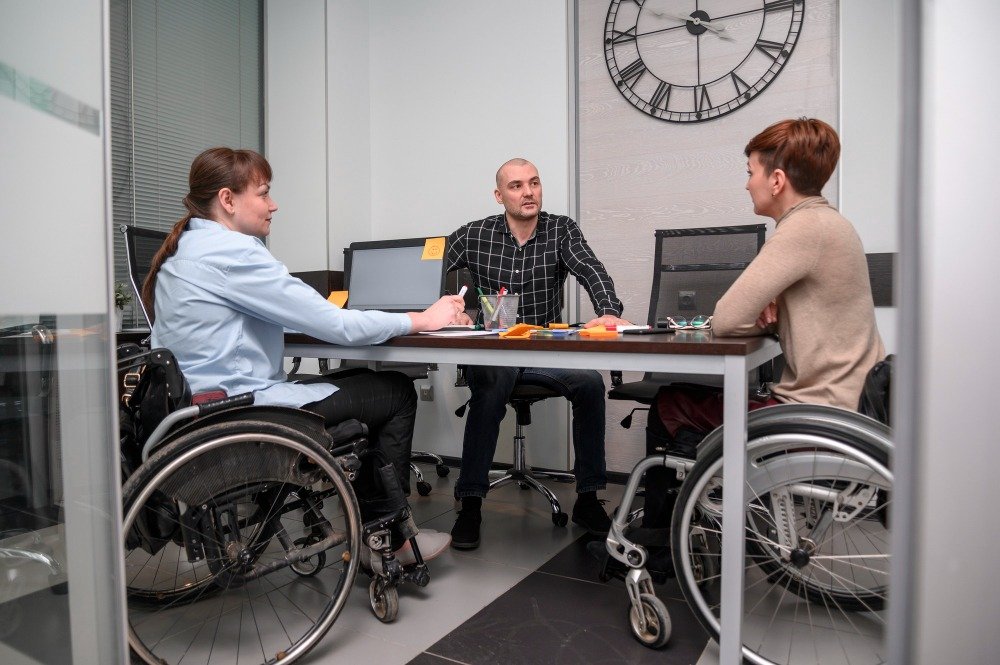
    A wheelchair is more than just a mobility aid. For individuals with limited mobility, it is an essential tool that provides independence, comfort, and the ability to participate fully in everyday life. However, no two users have the same needs, which is why wheelchair customisation is so important. Occupational therapists play a vital role in ensuring that wheelchairs are tailored to meet each person’s unique physical, functional, and lifestyle requirements. Their expertise can greatly improve comfort, safety, and overall quality of life.

    Understanding the Role of Occupational Therapists

    Occupational therapists are healthcare professionals who specialise in enabling people to engage in meaningful daily activities despite physical, cognitive, or emotional challenges. When it comes to wheelchair customisation, occupational therapists assess the user’s physical abilities, mobility needs, and personal goals. Their aim is not only to provide a wheelchair that allows movement but also to enhance independence, participation, and overall wellbeing. They consider how the wheelchair will be used at home, in the workplace, or in the community, ensuring it supports the user in all areas of life.

    Initial Assessment and Evaluation

    The customisation process begins with a thorough assessment. Occupational therapists evaluate the user’s posture, strength, range of motion, balance, and overall health. They may also consider skin integrity to prevent pressure sores, a common issue for long-term wheelchair users. During this assessment, the therapist observes how the individual currently sits, transfers, and manoeuvres their wheelchair. They may measure leg length, hip width, and arm reach to ensure that any new wheelchair provides the correct support and alignment. This assessment is essential because an ill-fitting wheelchair can cause discomfort, pain, and even long-term health issues.

    Identifying Individual Needs and Goals

    Wheelchair customisation is highly individualised. Occupational therapists work closely with users to understand their lifestyle, daily activities, and personal preferences. For example, someone who spends long periods at a desk may require a different seating configuration than someone who enjoys outdoor activities. Therapists also consider the need for specialised equipment such as trays, cushions, or adaptive controls. By identifying the user’s goals, occupational therapists can recommend modifications that not only improve mobility but also support participation in work, education, social activities, and hobbies.

    Selecting the Right Wheelchair Type

    There are many types of wheelchairs available, including manual, powered, and sports-specific models. Occupational therapists guide users in selecting the most appropriate type based on their physical abilities, endurance, and intended use. Manual wheelchairs require upper body strength and are often suitable for shorter distances, while powered wheelchairs offer independence for users with limited strength or endurance. Therapists consider factors such as weight, manoeuvrability, durability, and ease of transport when recommending a wheelchair. Choosing the right type is a critical step in ensuring long-term comfort and functionality.

    Customising Seating and Support

    One of the most important aspects of wheelchair customisation is seating and support. Occupational therapists recommend cushions, backrests, and positioning aids to promote proper posture and prevent pressure injuries. They consider the user’s spinal alignment, hip angle, and pelvic stability to determine the ideal seating configuration. For some individuals, specialised cushions made from foam, gel, or air cells may be necessary to provide pressure relief and improve comfort. Proper seating support also enhances functional abilities, making it easier to reach, push the wheelchair, and perform daily tasks safely.

    Adjusting Controls and Accessories

    For powered wheelchairs, occupational therapists help customise controls to match the user’s physical abilities and preferences. Joysticks, switches, and touchpads can be adapted to ensure ease of operation. Accessories such as trays, cup holders, storage compartments, and lap belts can also be customised to enhance comfort and functionality. Occupational therapists ensure that all adjustments are safe, practical, and aligned with the user’s goals. These customisations make daily life more manageable and allow the wheelchair to serve as a true extension of the user’s body.

    Training and Education

    Wheelchair customisation is not limited to equipment adjustments. Occupational therapists provide training and education to help users make the most of their wheelchair. This includes teaching proper posture, safe transfers, propulsion techniques, and pressure relief exercises. Education extends to caregivers, family members, and support workers who assist with mobility. Proper training ensures that users can operate their wheelchair safely, reduce the risk of injury, and maintain independence in everyday activities. It also helps prevent complications such as shoulder strain, back pain, or pressure sores that can arise from improper use.

    Regular Review and Maintenance

    Customising a wheelchair is an ongoing process. As the user’s needs, abilities, or health conditions change, adjustments may be required. Occupational therapists schedule regular reviews to assess posture, seating, and functionality. They check for wear and tear, ensure that controls are working correctly, and make recommendations for upgrades or modifications if needed. Regular maintenance and review are essential for long-term safety, comfort, and usability. These reviews also provide an opportunity to address any concerns or challenges that may arise over time.

    Enhancing Quality of Life

    The ultimate goal of wheelchair customisation is to improve quality of life. Occupational therapists ensure that the wheelchair supports not only physical needs but also social participation and independence. A well-customised wheelchair allows users to move freely, engage in work or education, participate in recreational activities, and maintain social connections. It can reduce discomfort, prevent secondary health issues, and boost confidence. By tailoring the wheelchair to the individual, occupational therapists empower users to live life to the fullest despite mobility challenges.

    Collaboration with Other Professionals

    Wheelchair customisation often involves collaboration with other healthcare professionals, including physiotherapists, doctors, and prosthetists. Occupational therapists communicate with these team members to ensure that the wheelchair meets all medical and functional requirements. This multidisciplinary approach ensures a holistic solution that considers the user’s physical health, mobility needs, and lifestyle goals. Collaboration also allows for the integration of complementary equipment, such as standing frames or specialised cushions, to provide comprehensive support.

    Conclusion

    Wheelchair customisation is a complex and highly individual process that requires expertise, attention to detail, and a deep understanding of the user’s needs. Occupational therapists play a crucial role in assessing abilities, recommending appropriate equipment, and ensuring that the wheelchair is tailored for comfort, safety, and functionality. They provide training, education, and ongoing support to maximise independence and quality of life. Through careful assessment, personalised solutions, and collaboration with other healthcare professionals, occupational therapists ensure that wheelchairs do more than provide mobility. They empower users to live active, independent, and fulfilling lives.

    In today’s world, where mobility is central to participation in daily life, the expertise of occupational therapists cannot be overstated. From selecting the right wheelchair type to customising seating, controls, and accessories, occupational therapists provide invaluable guidance. Their work enhances physical wellbeing, prevents complications, and supports social engagement. For anyone who relies on a wheelchair, the guidance of an occupational therapist is essential for achieving a personalised, safe, and empowering mobility solution.

  • Mental Health Medications Made Convenient: Online Sertraline and Escitalopram Refills

    Mental Health Medications Made Convenient: Online Sertraline and Escitalopram Refills

    Managing mental health conditions such as anxiety and depression requires consistency. Missed doses of medications like Sertraline and Escitalopram can impact symptom management, mood stability, and overall well-being.

    For many, scheduling regular in-person appointments for refills can be challenging due to work, transportation, or privacy concerns. Telehealth and online prescription services are transforming how patients access their medications, making adherence safer and more convenient than ever.

    The Importance of Adherence for Mental Health Medications

    Selective serotonin reuptake inhibitors (SSRIs) such as Sertraline and Escitalopram are widely prescribed for anxiety, depression, and other mood disorders. According to the National Institute of Mental Health, 1 in 5 U.S. adults experiences mental health issues each year, with many requiring long-term pharmacological support.

    Missing doses can lead to withdrawal symptoms, recurrence of depressive or anxious episodes, and reduced treatment effectiveness. Maintaining a consistent schedule is critical to achieving optimal outcomes.

    Online prescription refill platforms allow patients to keep up with their treatment schedules without interruptions. This is especially valuable for those managing chronic conditions who need regular refills of their Sertraline or Escitalopram medications.

    How Online Prescription Refills Work

    With online Sertraline and Escitalopram prescription services, the process is simple and efficient:

    1. Complete a Secure Online Form – Patients provide basic health information, details of their current prescription, and a photo ID if required.
    2. Licensed Clinician Review – A board-certified doctor reviews the submitted information, ensuring the refill is safe and appropriate.
    3. Pharmacy Processing – Once approved, the prescription is sent electronically to the patient’s pharmacy, ready for pick-up or delivery.

    This asynchronous system eliminates the need for scheduling appointments, waiting in offices, and unnecessary travel, making it easier for patients to maintain their mental health regimen.

    Why Telehealth is Ideal for Mental Health Management

    Mental health conditions often require discretion. Many patients prefer not to visit a clinic in person due to privacy concerns or anxiety about exposure to others. Online prescription services provide a secure, confidential, and convenient solution.

    Results from studies highlight that over 60% of adults with mental health conditions report barriers to in-person care, making online services essential for continuity of care. By offering Sertraline and Escitalopram refill online, telehealth platforms bridge this gap, ensuring patients can access their medications safely.

    Benefits of Online Sertraline and Escitalopram Refills

    Accessing your mental health medications online offers a range of practical and health-focused advantages.

    • Convenience: Request refills from any device, smartphone, tablet, or computer, without leaving home. This is especially helpful for patients balancing work, family, or mobility challenges. The process eliminates travel time, waiting rooms, and unnecessary in-person appointments, making medication management stress-free.
    • Consistency: Maintaining a regular dosing schedule is critical for SSRIs like Sertraline and Escitalopram. Online prescription services reduce the risk of missed doses, helping prevent relapse of anxiety or depressive symptoms and supporting stable mental health outcomes.
    • Safety: Each online request is reviewed by a licensed, board-certified clinician. This ensures that the refill is appropriate, your medication is taken safely, and any potential interactions or concerns are addressed before the prescription is processed. Patients can feel confident in the safety and reliability of the service.
    • Flexibility: Online platforms often provide options for 30- or 90-day refills, letting patients manage their treatment around their lifestyle and personal schedule. Longer refill periods reduce the frequency of repeat requests, helping patients focus on overall wellness rather than administrative tasks.
    • Confidentiality: Mental health medications carry sensitive considerations. Online refills offer a private, secure channel for managing your prescriptions discreetly, without the potential stress or stigma of in-person visits.
    • Accessibility: For patients living in rural or underserved areas, or for those with transportation or mobility limitations, online Sertraline or Escitalopram prescription services provide vital access to continuous care, bridging gaps in traditional healthcare systems.
    • Time-Saving: By streamlining the refill process, patients can spend more time focusing on therapy, self-care, and daily routines, rather than coordinating appointments or navigating clinic schedules.
    • Continuity of Care: Online refills help ensure uninterrupted medication access, which is crucial for long-term mental health management. Clinicians can monitor patient history, previous prescriptions, and treatment patterns, maintaining continuity of care even without frequent office visits.

    Managing Your Mental Health with Confidence

    Adherence to medications is just one part of a comprehensive mental health strategy. Patients are encouraged to combine pharmacotherapy with therapy, lifestyle adjustments, and regular check-ins with healthcare providers. Online prescription services complement these efforts by removing logistical barriers.

    For patients who cannot immediately see their primary care physician, an online Sertraline prescription or Escitalopram refill ensures they do not miss a dose, helping maintain stability and reduce the risk of relapse.

    How My Med Refills Supports Patients

    Stay Consistent, Stay Healthy

    Consistency is key to effective mental health management. My Med Refills provides a secure platform for patients to manage their Sertraline and Escitalopram prescriptions efficiently. Licensed physicians review requests, and prescriptions are sent electronically to your chosen pharmacy. This service makes it easier than ever to adhere to your mental health treatment plan without interruptions.

    Request your online Sertraline or Escitalopram refill today.

    About the Author

    The author is a healthcare writer with a focus on mental health and telemedicine. She is passionate about improving patient access to safe, convenient, and reliable online prescription services. Jane has contributed to multiple health publications and works closely with telehealth providers to educate patients.

    Disclaimer: The information provided on this platform is for general informational and educational purposes only and should not be considered medical advice. Any prescriptions, recommendations, or health-related content are intended for informational use and may not apply to individual medical conditions. This content does not replace consultation with a licensed healthcare professional. Patients/readers are strongly advised to consult their physician or qualified medical provider before starting, stopping, or changing any medication. The provider assumes no responsibility for misuse, misunderstanding, or outcomes resulting from reliance on this information.

  • Cold Sores Keep Coming Back? Here’s How to Manage Them Better

    Cold Sores Keep Coming Back? Here’s How to Manage Them Better

    Cold sores can be frustrating, painful, and often appear at the most inconvenient times. These small, fluid-filled blisters typically form around the lips and are caused by the herpes simplex virus type 1 (HSV-1). 

    Once infected, the virus remains dormant in the body and can reactivate periodically, leading to recurring outbreaks. Fortunately, modern telehealth solutions, including cold sore treatment online, provide fast and convenient access to antiviral medications and expert guidance, helping individuals manage symptoms effectively and reduce the frequency of outbreaks.

    What Are Cold Sores?

    Cold sores, also known as fever blisters, are highly contagious lesions that develop on or around the lips. They are primarily caused by HSV-1, although HSV-2, commonly associated with genital herpes, can also be responsible in some cases. After the initial infection, the virus stays in the body in a dormant state and may reactivate due to various triggers.

    Common Symptoms of Cold Sores

    Cold sores typically progress through several stages:

    1. Tingling and Itching: A burning or tingling sensation appears before visible sores develop.
    2. Blister Formation: Small, fluid-filled blisters emerge, often clustered together.
    3. Oozing and Crusting: The blisters rupture, forming open sores that eventually crust over.
    4. Healing: The sores gradually heal without scarring, usually within 7 to 10 days.

    Recognizing these early signs allows individuals to seek an online doctor’s consultation promptly, leading to faster recovery.

    Why Do Cold Sores Keep Coming Back?

    Recurring outbreaks occur because the herpes simplex virus remains in the body for life. Certain triggers can reactivate the virus, causing new cold sores to develop.

    Common Triggers

    • Stress and Fatigue: Emotional or physical stress weakens the immune system.
    • Illness or Fever: Conditions such as colds or flu can trigger outbreaks.
    • Sun Exposure: Ultraviolet (UV) radiation is a known catalyst.
    • Hormonal Changes: Menstruation or pregnancy may increase susceptibility.
    • Weakened Immune System: Chronic illness or medications can contribute.
    • Skin Trauma: Cuts or irritation around the lips may initiate reactivation.

    Understanding these triggers helps individuals take preventive steps and manage outbreaks more effectively.

    How Are Cold Sores Treated?

    Although there is no cure for HSV-1, several treatment options can reduce the severity and duration of outbreaks.

    1. Antiviral Medications

    Prescription antiviral medications such as acyclovir, valacyclovir, and famciclovir are the most effective treatments. Accessing a cold sore prescription online enables patients to begin therapy quickly, often shortening the healing time and reducing discomfort.

    2. Topical Treatments

    Over-the-counter creams and ointments can help soothe symptoms and promote healing, although they are generally less effective than oral antivirals.

    3. Pain Relief

    Analgesics such as ibuprofen or acetaminophen can alleviate pain and inflammation associated with cold sores.

    4. Supportive Care

    Applying cold compresses and maintaining good hydration can provide additional comfort during the healing process.

    The Benefits of Online Cold Sore Treatment

    Telehealth has revolutionized access to care for common conditions like cold sores. Through online doctor services for cold sores, patients can receive timely and discreet medical attention without visiting a clinic.

    Convenience and Accessibility

    Patients can connect with licensed healthcare providers from the comfort of their homes, eliminating the need for travel and long waiting times.

    Rapid Diagnosis and Treatment

    A virtual doctor visit allows providers to assess symptoms quickly and prescribe antiviral medications when necessary.

    Privacy and Discretion

    Cold sores can be socially stigmatizing. Virtual consultations offer a confidential environment for discussing symptoms and treatment options.

    Cost-Effective Care

    Telehealth services are often more affordable than urgent care or emergency room visits, making them an accessible option for many individuals.

    Preventing Future Outbreaks

    While it may not be possible to eliminate cold sores entirely, several preventive strategies can help reduce their frequency:

    1. Manage Stress

    Practicing relaxation techniques such as meditation, yoga, or regular exercise can strengthen the immune system.

    2. Protect Against Sun Exposure

    Using lip balms with SPF can prevent UV-induced outbreaks.

    3. Maintain a Healthy Lifestyle

    Adequate sleep, balanced nutrition, and regular physical activity support immune function.

    4. Avoid Known Triggers

    Identifying personal triggers and taking proactive measures can minimize recurrence.

    5. Consider Suppressive Therapy

    For individuals with frequent outbreaks, healthcare providers may recommend daily antiviral medication to prevent recurrences. Access to telehealth services online makes ongoing management simple and convenient.

    When to Seek Medical Attention

    Although most cold sores resolve without complications, medical evaluation is recommended if:

    • Outbreaks occur frequently or are unusually severe.
    • Sores do not heal within two weeks.
    • Symptoms spread to the eyes or other areas.
    • The individual has a weakened immune system.
    • Accompanying fever or systemic symptoms develop.

    Prompt consultation ensures appropriate treatment and reduces the risk of complications.

    Living Confidently with Cold Sores

    Cold sores can be emotionally and physically challenging, but effective management strategies make it possible to minimize their impact. Early intervention through cold sore treatment online empowers individuals to control outbreaks, reduce discomfort, and maintain their quality of life. By combining antiviral therapy with preventive measures and healthy lifestyle choices, patients can significantly decrease the frequency and severity of recurrences.

    Experience Convenient and Private Medical Support for Cold Sore Symptoms Today

    When recurring cold sores disrupt your daily lives, MyInstantMD offers a convenient and compassionate solution. 

    Through cold sore treatment online, you can schedule a virtual doctor visit and consult a doctor online to receive expert medical care without leaving home. 

    Licensed providers carefully review your symptoms, develop a tailored treatment for cold sores online, and even send an online doctor’s prescription for antiviral medications directly to your preferred pharmacy. 

    With affordable and accessible pricing, rapid response times, and a seamless digital experience, MyInstantMD ensures you receive prompt, reliable, and discreet care. 

    Schedule an appointment today. 

    About the Author

    Dr. Jonathan Meyers is a board-certified infectious disease specialist with over 18 years of clinical and telemedicine experience. He is dedicated to advancing accessible healthcare through digital platforms and regularly contributes educational content on viral infections, preventive care, and patient-centered treatment strategies, empowering individuals to make informed health decisions.

  • Prescription Refills Made Easy: The Shift to Telemedicine

    Prescription Refills Made Easy: The Shift to Telemedicine

    Accessing prescription medication used to require careful planning, clinic visits, and often long waiting times. For patients managing ongoing conditions, this process could quickly become repetitive and disruptive. Today, healthcare is evolving, and telemedicine is playing a central role in simplifying routine care. The rise of online prescription refill services reflects a broader shift toward convenience, accessibility, and continuity in modern healthcare.

    Patients no longer need to rearrange their schedules or sit in crowded waiting rooms for routine refills. Instead, they can connect with licensed providers from home, receive professional guidance, and have prescriptions renewed quickly. This transformation is not just about saving time—it is about creating a more responsive and patient-centered healthcare system.

    Why Prescription Refills Needed a Better Approach

    Traditional refill processes often created unnecessary barriers for patients. Scheduling an appointment could take days, especially during busy periods. Once at the clinic, patients would wait again, even for straightforward cases where their medical history was already well documented.

    For individuals managing chronic conditions such as hypertension, diabetes, or migraines, these repeated visits added friction to an already demanding routine. Delays in refills could also lead to missed doses, which directly affect health outcomes.

    Telemedicine addresses these challenges by offering a streamlined alternative. Through telemedicine prescription refill services, patients can request renewals without interrupting their daily lives. This approach ensures consistent care while reducing administrative delays.

    How Telemedicine Simplifies the Refill Process

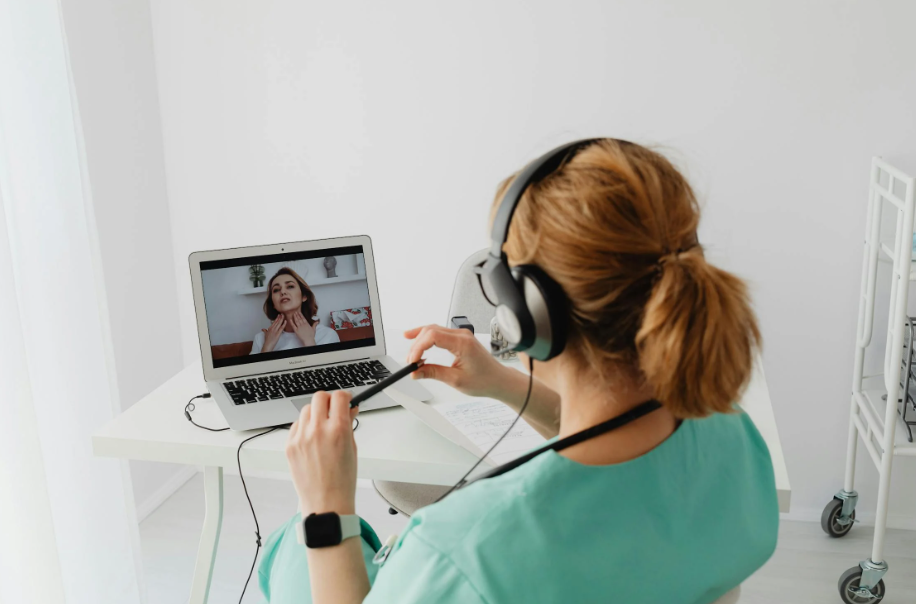
    The process behind online prescription refill services is both efficient and clinically sound. Patients begin by scheduling a virtual consultation with a licensed provider. During the session, the provider reviews the patient’s medical history, current symptoms, and medication needs.

    This evaluation allows providers to determine whether a refill is appropriate. If the medication remains suitable and safe, the provider issues a renewed prescription electronically. In many cases, this process takes less time than a traditional clinic visit.

    The ability to complete everything remotely creates a smoother experience. Patients avoid travel, reduce waiting times, and receive timely access to necessary medications. This efficiency has made telehealth an increasingly preferred option for routine care.

    Supporting Continuity of Care

    One of the most important benefits of telemedicine is its ability to maintain continuity of care. When patients experience gaps in medication access, their health can quickly decline. Telehealth platforms help prevent these interruptions by providing consistent, accessible support.

    Through virtual prescription refill services, patients can stay connected with healthcare providers who understand their medical history. This ongoing relationship ensures that treatment plans remain effective and up to date.

    Continuity also improves communication. Patients feel more comfortable discussing concerns, asking questions, and addressing side effects when care is easily accessible. This level of engagement strengthens trust and leads to better long-term outcomes.

    Convenience Without Compromising Safety

    Convenience is often the first benefit people notice, but safety remains a top priority. Reputable telehealth platforms follow strict clinical protocols to ensure that every refill meets medical standards.

    Providers assess each request carefully. They consider dosage, potential interactions, and changes in the patient’s condition before issuing a prescription. This process mirrors the decision-making that occurs during in-person visits.

    Patients also benefit from faster response times. Instead of waiting days for approval, they can often receive a refill within hours. This balance of speed and safety makes online prescription refill services a reliable option for many situations.

    Expanding Access to Healthcare

    Telemedicine has significantly improved access to healthcare, particularly for individuals in remote or underserved areas. Patients who previously faced long travel distances or limited clinic availability can now connect with providers easily.

    This accessibility extends beyond geography. Busy professionals, parents, and individuals with mobility challenges all benefit from the flexibility that telehealth offers. By removing barriers, telemedicine enables more people to receive timely care.

    The availability of online prescription refill service platforms reflects this broader shift. Healthcare is becoming more inclusive, meeting patients where they are rather than requiring them to adapt to rigid systems.

    When Telemedicine Works Best

    Telemedicine is especially effective for managing ongoing conditions and routine medication needs. Patients who require regular refills for stable conditions can benefit the most from virtual care.

    For example, individuals managing allergies, skin conditions, or chronic pain often find that telehealth provides a practical solution. Providers can review symptoms, adjust treatment if needed, and issue prescriptions without requiring an in-person visit.

    However, telemedicine has its limits. New or complex conditions may require physical examinations or diagnostic testing. Responsible providers recognize these situations and guide patients toward appropriate care when necessary.

    A New Standard for Medication Access

    The shift toward telemedicine reflects a broader change in healthcare priorities. Patients expect faster access, greater flexibility, and reliable care that fits into their lives. Telehealth meets these expectations by simplifying processes that once felt unnecessarily complex.

    By offering efficient and secure solutions, online prescription refill services are setting a new standard for medication access. They reduce delays, improve adherence, and empower patients to take control of their health.

    This transformation is not temporary. It represents a long-term evolution in how healthcare is delivered, making it more adaptable and patient-focused than ever before.

    Conclusion

    Telemedicine has redefined what it means to access healthcare. Through online prescription refill services, patients can receive timely, professional support without the barriers of traditional systems. This approach enhances convenience while maintaining the safety and reliability that patients expect.

    As healthcare continues to evolve, telemedicine will remain a key part of the conversation. By combining technology with clinical expertise, it offers a smarter, more efficient way to manage everyday health needs.

    HealthSource Medical Associates offers secure, efficient telemedicine consultations that enable fast, reliable prescription refills. Patients can access licensed providers, maintain continuity of care, and receive timely medication support through a streamlined digital experience.

    Author Bio

    Ethan Caldwell is a healthcare writer and digital health analyst specializing in telemedicine, patient access, and modern care delivery systems. With over eight years of experience, he focuses on translating complex healthcare innovations into clear, practical insights for everyday readers. Ethan has contributed to various health publications and remains passionate about improving accessibility through technology-driven solutions.

  • How to Regulate Your Nervous System: Simple Techniques for Daily Stability

    How to Regulate Your Nervous System: Simple Techniques for Daily Stability

    Your nervous system plays a central role in how you respond to stress, process emotions, and move through daily life. When it’s balanced, you’re better able to focus, rest, and handle challenges. When it’s dysregulated, even small stressors can feel overwhelming.

    Learning how to regulate your nervous system doesn’t require complicated routines. With consistent, simple practices, you can support emotional stability, improve mental clarity, and feel more in control throughout the day.

    For individuals experiencing ongoing stress that affects work, options like learning how to get FMLA approved online can provide space to focus on recovery while maintaining job security.

    Understanding Nervous System Dysregulation

    The nervous system constantly shifts between states of activation and rest. Stress, lack of sleep, emotional strain, and ongoing pressure can keep your body in a heightened state for too long.

    Common signs of dysregulation include:

    • Difficulty concentrating 
    • Irritability or mood swings 
    • Poor sleep quality 
    • Physical tension or fatigue 
    • Feeling “on edge” or shut down 

    Recognizing these signs early can help you take steps toward restoring balance before stress escalates. In more persistent cases, seeking structured support and completing FMLA paperwork for mental health can be an important step toward long-term stability.

    Breathing Techniques That Calm the Body

    Your breath is one of the fastest ways to influence your nervous system. Intentional breathing signals safety to your body and helps reduce stress responses.

    Try this simple method:

    • Inhale slowly for 4 seconds 
    • Hold for 4 seconds 
    • Exhale for 6 seconds 
    • Repeat for 3–5 minutes 

    This technique encourages your body to shift out of stress mode and into a calmer state. Practicing daily, even when you feel fine, builds resilience over time.

    Grounding Techniques for Immediate Stability

    Grounding helps bring your attention back to the present moment when your thoughts feel overwhelming. It reconnects your mind and body, creating a sense of stability.

    One effective method is the 5-4-3-2-1 technique:

    • 5 things you can see 
    • 4 things you can feel 
    • 3 things you can hear 
    • 2 things you can smell 
    • 1 thing you can taste 

    This exercise works well during moments of anxiety or emotional overload. It can also be used proactively to maintain focus throughout the day.

    The Role of Sleep in Nervous System Regulation

    Sleep is essential for resetting your nervous system. Without adequate rest, your body remains in a heightened stress state, making regulation more difficult.

    To improve sleep quality:

    • Maintain a consistent bedtime routine 
    • Limit screen exposure before bed 
    • Keep your sleeping environment cool and quiet 
    • Avoid caffeine late in the day 

    Small changes in your nighttime habits can lead to noticeable improvements in emotional balance and energy levels.

    Daily Stress Management Strategies

    Regulating your nervous system is not just about responding to stress but also preventing overload. Creating a manageable daily routine can reduce strain on your body and mind.

    Consider incorporating:

    • Short breaks between tasks 
    • Gentle movement, like walking or stretching 
    • Time outdoors for natural light exposure 
    • Setting realistic expectations for your day 

    If work-related stress or mental health challenges begin to interfere with your ability to function, it may be worth exploring structured support options. Many individuals choose to get FMLA approved online to create space for recovery while maintaining job security.

    When Work Stress Impacts Your Mental Health

    Ongoing stress can make it difficult to maintain consistency at work. In these situations, structured leave options can provide the necessary time to reset.

    For example, some people apply for intermittent FMLA when they need flexibility to manage symptoms while continuing to work. Others may require a more extended break depending on their situation.

    Understanding your options and taking action early can help prevent burnout and support long-term stability. Completing FMLA paperwork for mental health may feel overwhelming, but it can be an important step toward protecting your well-being.

    Building a Sustainable Routine

    Consistency matters more than intensity when it comes to nervous system regulation. Instead of trying to do everything at once, focus on small, repeatable habits.

    A simple daily structure might include:

    • Morning breathing exercises 
    • Midday movement or grounding 
    • Evening wind-down routine for better sleep 

    Over time, these practices become second nature and create a strong foundation for emotional resilience.

    Regulating your nervous system is an ongoing process, not a one-time fix. By paying attention to your body’s signals and incorporating supportive habits into your day, you can create a greater sense of balance and control.

    Even small adjustments can make a meaningful difference in how you feel and function.

    Take the Next Step Toward Stability

    If stress or mental health challenges are making it difficult to keep up with work responsibilities, taking time to reset may be necessary. When you’re unsure how to move forward or struggling to find a provider to complete your documentation, support is available.

    The telemedicine service by myFMLA connects you with Board-Certified physicians who understand the urgency of your situation and can help you complete your FMLA certification online efficiently. Whether you need guidance on your next steps or help going through the process, this option offers a practical way to move forward with clarity and confidence.

    About the Author
    Caroline M. is a mental health professional with a strong focus on helping individuals better understand emotional well-being and stress management. With hands-on experience supporting people through a range of mental health challenges, she brings practical insight into her writing. Caroline is passionate about creating clear, informative blogs that break down complex topics into accessible guidance. Her goal is to help readers feel more informed, supported, and equipped to navigate their mental health with confidence.