Category: Entertainment

  • Pulsamento: Understanding the Pulse Behind Rhythm, Music, and Human Expression

    Pulsamento: Understanding the Pulse Behind Rhythm, Music, and Human Expression

    Introduction to Pulsamento

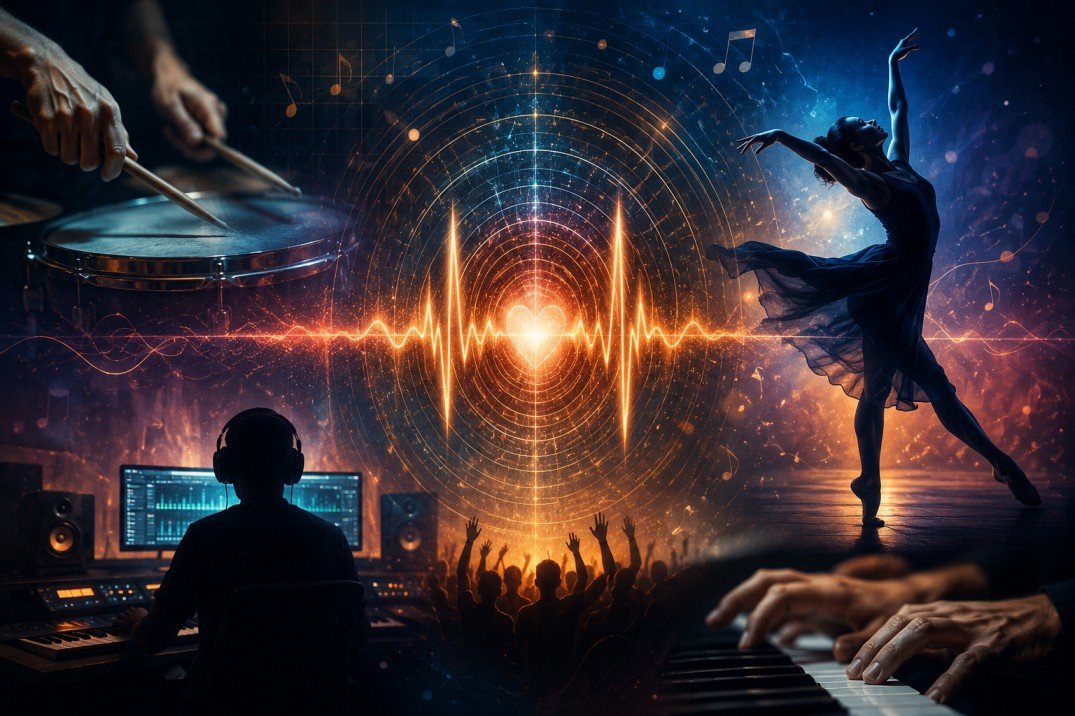
    Pulsamento is one of those concepts that feels simple at first glance but reveals deeper layers the more you explore it. At its core, it refers to a steady pulse or underlying rhythmic heartbeat that gives structure and life to sound, movement, or even emotional expression. While the term is often associated with musical contexts, its meaning extends far beyond just beats and bars. It represents the invisible force that organizes time and energy in a way our bodies and minds naturally understand.

    When you listen to music and instinctively tap your foot, you are responding to pulsamento. It is that internal “clock” that helps humans make sense of rhythm without needing to count or analyze it. This intuitive connection is what makes pulsamento such an important idea in both artistic and scientific discussions about rhythm and perception.

    In everyday life, pulsamento is everywhere, even if we don’t label it. The rhythm of walking, the pulse of speech, the cycles of breathing—all of these reflect variations of pulsamento. It is not just a musical idea but a fundamental pattern of life itself.

    Understanding pulsamento gives us a deeper appreciation of how rhythm influences emotion, coordination, and creativity. It becomes a bridge between technical structure and natural human instinct.

    Meaning and Origins of Pulsamento

    The word “pulsamento” is derived from Latin-based linguistic roots related to “pulse” and “pulsation.” In many Romance languages, it carries the sense of something beating, throbbing, or regularly recurring. This makes it closely tied to both biological rhythms and musical timing.

    Historically, the concept developed alongside early music theory, where scholars and musicians tried to describe the invisible structure that holds rhythm together. Before modern notation systems became standardized, musicians relied heavily on feeling and collective timing, which was essentially an early form of understanding pulsamento.

    Over time, the idea expanded beyond music into broader cultural and artistic discussions. Philosophers and artists began to use it metaphorically to describe the rhythm of life, emotions, and even social behavior. In this sense, pulsamento became both a technical term and a poetic concept.

    Today, while it is not always used in formal academic writing, pulsamento still survives in artistic discussions, especially in contexts involving rhythm, improvisation, and expressive timing.

    Pulsamento in Music Theory

    In music theory, pulsamento refers to the consistent underlying beat that organizes rhythm into a structured framework. It is what allows musicians to stay in sync, whether they are playing classical compositions, jazz improvisations, or modern electronic tracks.

    This pulse is often felt rather than explicitly heard. Even when a piece of music becomes complex or syncopated, pulsamento continues to anchor the listener’s perception. It is what allows us to recognize tempo changes, groove patterns, and rhythmic variations without getting lost.

    Musicians often train themselves to internalize this pulse so deeply that it becomes second nature. This internalization is essential for ensemble performance, where multiple players must align their timing without constant verbal communication.

    Without pulsamento, music would feel disorganized and chaotic. It acts as the invisible skeleton upon which rhythm, melody, and harmony are built, giving structure to what might otherwise be sound without direction.

    Pulsamento in Rhythm and Composition

    When composers create music, pulsamento serves as a guiding framework. It helps determine how rhythms are structured, how accents are placed, and how tension and release are developed over time. Even in experimental music, where traditional meter may be absent, some form of pulsamento often still exists.

    In rhythm, pulsamento can be steady or flexible. A steady pulsamento creates predictability and stability, while a flexible one introduces variation and emotional complexity. This balance is what makes music engaging and dynamic.

    Composers often manipulate pulsamento to evoke specific feelings. A strong, consistent pulse might create a sense of confidence or urgency, while a broken or irregular pulse can create tension, mystery, or emotional unease.

    Ultimately, pulsamento in composition is not just about keeping time—it is about shaping the listener’s emotional journey through controlled rhythmic energy.

    Psychological and Emotional Impact of Pulsamento

    Humans are naturally sensitive to rhythm, and pulsamento plays a major role in how we emotionally interpret sound. Our brains are wired to detect patterns, and a steady pulse provides a sense of predictability and comfort.

    This is why rhythmic music can feel soothing or motivating. The presence of a clear pulsamento helps regulate attention and even influence mood. Studies in cognitive science suggest that rhythmic synchronization can improve focus, coordination, and emotional regulation.

    On a deeper level, pulsamento can create a sense of connection between individuals. When people move or dance in sync, their internal rhythms align, creating a shared emotional experience. This is why concerts, drumming circles, and group dancing feel so powerful.

    In this way, pulsamento is not just a musical tool—it is a psychological bridge that connects individuals through shared temporal experience.

    Pulsamento in Dance and Movement

    In dance, pulsamento becomes physically visible. It is expressed through steps, gestures, and coordinated movement that follows an underlying beat. Dancers rely on this pulse to maintain timing and express rhythm through their bodies.

    Even in improvisational dance styles, pulsamento acts as an anchor. It allows dancers to break rules creatively while still maintaining coherence with the music or group movement. Without it, choreography would lose its structure and flow.

    Different dance styles interpret pulsamento in unique ways. Some emphasize strong, rigid timing, while others focus on fluid, wave-like interpretations of rhythm. In both cases, the underlying pulse remains essential.

    Ultimately, pulsamento transforms sound into motion. It is the invisible force that connects auditory rhythm with physical expression, allowing humans to embody music rather than just hear it.

    Modern Uses in Music Production

    In modern music production, pulsamento is more important than ever. Digital audio workstations rely heavily on grid systems that represent a visual version of rhythmic pulse. Producers use these grids to align beats, samples, and effects precisely.

    Electronic music genres especially depend on strong pulsamento. Genres like techno, house, and EDM are built around repetitive, consistent beats that create hypnotic rhythmic structures. These structures rely on a clearly defined pulse to maintain energy and danceability.

    At the same time, modern producers often experiment with breaking or bending pulsamento. Techniques like tempo modulation, off-grid rhythms, and polyrhythms create complex textures that challenge traditional listening habits.

    Despite these innovations, pulsamento remains the foundation. Even the most experimental track usually returns to some form of rhythmic anchor, ensuring that listeners can still connect with the music emotionally and physically.

    How to Develop a Sense of Pulsamento

    Developing a strong sense of pulsamento is essential for musicians, dancers, and anyone interested in rhythm. The first step is active listening—paying attention not just to melody or lyrics, but to the underlying beat that holds everything together.

    Practicing with a metronome is one of the most effective ways to strengthen this skill. It trains the mind to stay consistent with an external pulse, eventually helping internal timing become more accurate and reliable.

    Another powerful method is body movement. Clapping, stepping, or tapping along with music helps connect physical motion to rhythmic structure. This reinforces the relationship between internal sensation and external sound.

    Over time, developing pulsamento becomes less about conscious effort and more about instinct. It turns into a natural ability to feel time, which is valuable in both artistic and everyday contexts.

    Common Misconceptions About Pulsamento

    One common misconception is that pulsamento is the same as a metronome beat. While they are related, pulsamento is more flexible and human than a mechanical click. It can breathe, shift, and adapt depending on expressive needs.

    Another misunderstanding is that only musicians need to understand pulsamento. In reality, it plays a role in many areas of life, including speech, movement, and even cognitive processing. Everyone uses it, whether they realize it or not.

    Some people also assume that strong pulsamento limits creativity. In fact, the opposite is true. A stable rhythmic foundation often allows for greater freedom in expression because it provides structure within which creativity can flourish.

    Recognizing these misconceptions helps deepen our appreciation of pulsamento as both a technical and natural phenomenon rather than a rigid rule.

    Conclusion

    Pulsamento is far more than just a musical term—it is a fundamental principle of rhythm that influences how we perceive, create, and respond to patterns in time. From music theory to dance, from emotional psychology to modern production, it plays a silent but powerful role in shaping human experience.

    Understanding pulsamento allows us to see rhythm not as something external, but as something deeply embedded in our bodies and minds. It connects movement, sound, and emotion into a unified experience that feels both structured and alive.

    Whether you are a musician, dancer, producer, or simply someone who enjoys music, recognizing pulsamento can completely change how you listen and feel rhythm. It turns passive listening into active awareness.

    At the end of the day, pulsamento is not just about keeping time—it is about feeling time.
  • Esports News DualMedia: The Future of Gaming Updates and Competitive Entertainment

    Esports News DualMedia: The Future of Gaming Updates and Competitive Entertainment

    The world of competitive gaming is changing faster than ever, and Esports News DualMedia has become an important topic for fans who want reliable updates, tournament coverage, player stories, and industry insights. Esports is no longer just a hobby for gamers; it has developed into a global entertainment industry with professional teams, international events, and millions of viewers.

    With new games, rising players, and major competitions happening every year, staying informed has become a major part of the esports experience. Fans now expect quick, accurate, and engaging coverage that explains not only what happened but also why it matters. Platforms focused on esports reporting help audiences understand the competitive scene beyond simple match results.

    The Growth of Esports

    Esports has grown from small gaming communities into a worldwide competitive ecosystem. Games such as League of Legends, Counter-Strike 2, and Dota 2 have created professional leagues where players train like traditional athletes.

    The popularity of esports comes from its combination of skill, teamwork, strategy, and entertainment. Professional players spend countless hours improving their abilities, studying opponents, and developing new techniques. This dedication has helped esports gain recognition among younger audiences and mainstream media.

    Modern esports events attract large online audiences and create communities where fans discuss strategies, follow players, and support their favorite teams. Because the industry moves quickly, news platforms play a key role in keeping fans connected.

    Why Esports News Matters

    For many fans, esports news is more than just reading about winners and losers. It is about understanding the stories behind the competition. A good esports report covers player performances, team changes, tournament preparation, game updates, and the challenges faced by professional competitors.

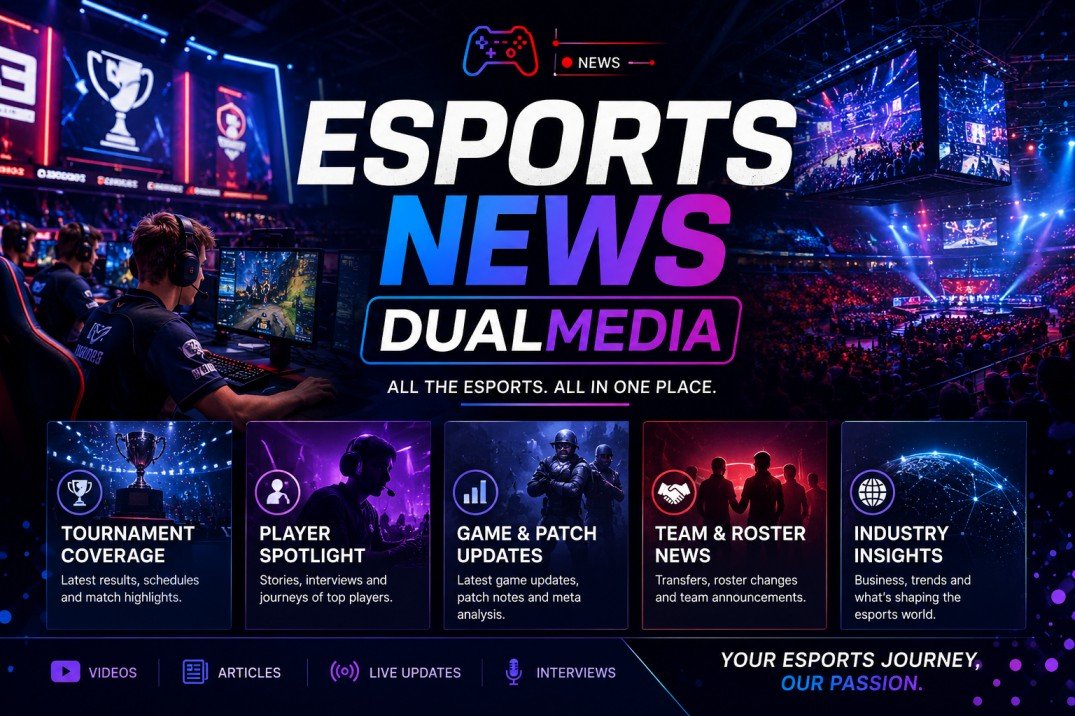
    Esports News DualMedia represents the idea of combining different forms of coverage to deliver a complete experience. Instead of focusing only on headlines, modern esports reporting often includes analysis, interviews, videos, and community discussions.

    This approach helps both casual viewers and dedicated fans follow the industry more easily. Someone new to esports can learn about teams and competitions, while experienced fans can explore deeper analysis of gameplay and strategies.

    The Role of Digital Platforms

    Digital platforms have transformed how people consume esports content. In the past, fans depended mostly on event broadcasts or gaming forums. Today, esports information is available instantly through websites, social platforms, livestreams, and online communities.

    The speed of digital media allows fans to follow competitions happening anywhere in the world. A tournament in one country can attract viewers globally within minutes. News platforms must balance speed with accuracy because incorrect information can quickly spread online.

    A trusted esports source focuses on verifying information, providing context, and helping readers understand the bigger picture. This creates a stronger connection between fans, players, and organizations.

    Stories Behind the Players

    One of the most interesting parts of esports coverage is the human side of competition. Professional players are not only competitors; they are individuals with unique journeys, challenges, and achievements.

    Many esports athletes begin playing games casually before discovering a path into professional competition. Their stories often include years of practice, difficult losses, and moments of success that inspire new players.

    Good esports journalism highlights these personal experiences. It shows the effort behind the victories and helps fans appreciate the dedication required to compete at the highest level.

    The Business of Competitive Gaming

    Esports has also become a major business sector. Organizations, sponsors, event companies, and game developers all contribute to the growth of competitive gaming.

    Large tournaments create opportunities for advertising, partnerships, and careers beyond playing. Coaches, analysts, content creators, event managers, and commentators all have important roles in the esports industry.

    As esports continues to expand, news coverage helps audiences understand these developments. Reports about sponsorships, team investments, and industry trends show how gaming has become a serious professional field.

    Technology and the Future of Esports Coverage

    Technology continues to influence how fans experience esports. Improvements in streaming, online communities, and interactive content have changed the relationship between viewers and competitions.

    Fans can now watch live matches, communicate with other viewers, and access detailed statistics during events. This creates a more immersive experience compared with traditional sports viewing.

    The future of Esports News DualMedia will likely involve even more creative ways to combine information and entertainment. New technologies may bring better analysis, improved broadcasts, and deeper connections between fans and esports communities.

    Challenges in Esports Reporting

    Although esports is growing, covering it comes with challenges. The industry changes quickly, with frequent updates, roster changes, game patches, and shifting competitive trends.

    Reliable reporting requires understanding the games, the players, and the communities involved. A simple announcement may have a much deeper impact on a team’s future or a player’s career.

    Responsible esports coverage avoids unnecessary rumors and focuses on verified information. This builds trust between news platforms and their audiences.

    Building a Better Fan Experience

    A strong esports news platform does more than share information. It creates a space where fans can learn, discuss, and celebrate competitive gaming.

    Esports News DualMedia highlights the importance of connecting different types of content to create a complete fan experience. Articles, interviews, match discussions, and expert opinions can work together to make esports more understandable and enjoyable.

    As the audience continues to grow, quality coverage will become even more important. Fans want information that feels authentic, detailed, and connected to the real world of competitive gaming.

    The Future of Esports Journalism

    The future of esports journalism looks promising as more people recognize gaming as a major form of entertainment. Young audiences especially rely on digital platforms for their news, making esports reporting an important part of modern media.

    Future coverage may focus more on storytelling, deeper analysis, and interactive experiences. Instead of simply reporting events, journalists will continue exploring the culture, personalities, and technology that shape esports.

    The growth of esports proves that competitive gaming is not just a temporary trend. It is a constantly developing industry with its own history, communities, and global influence.

    Read More Articles: Puzutask Com

    Frequently Asked Questions

    What is Esports News DualMedia?
    Esports News DualMedia refers to esports-focused coverage that combines different types of media and information to provide fans with updates, analysis, stories, and entertainment related to competitive gaming.

    Why do people follow esports news?
    People follow esports news to stay updated on tournaments, teams, players, game changes, and important developments in the gaming industry.

    Is esports considered a professional career?
    Yes, esports has become a professional field with players, coaches, analysts, commentators, and many other career opportunities.

    How does esports news help fans?
    Esports news helps fans understand competitions better by explaining events, strategies, player performances, and industry changes.

    Will esports continue growing in the future?
    Esports is expected to continue developing as technology improves and more people become interested in competitive gaming.

    Conclusion

    The rise of competitive gaming has created a new world of entertainment, competition, and digital storytelling. Esports News DualMedia reflects the changing way fans connect with esports through detailed coverage, modern platforms, and engaging content.

    As teams compete, players create new achievements, and technology continues to evolve, esports will remain an exciting industry to follow. Reliable coverage will continue to play an important role in helping fans understand the games they love and the people behind the competition.

  • Rob Mitchell’s Musical Journey: Blending Genres and Embracing Change Through “State of Change (Time Will Fly)”

    Rob Mitchell’s Musical Journey: Blending Genres and Embracing Change Through “State of Change (Time Will Fly)”

    The modern music industry is filled with talented artists striving to create a unique identity. While many musicians choose to stay within the boundaries of a single genre, others push creative limits by combining influences from multiple musical styles. Independent artist Rob Mitchell, formerly known as Deep Transit, belongs to the latter category. Through years of dedication, experimentation, and artistic growth, Mitchell has developed a distinctive sound that continues to attract listeners from diverse musical backgrounds.

    As he prepares for the release of his highly anticipated upcoming LP, fans and music enthusiasts are paying close attention to his latest work. Among his recent releases, “State of Change (Time Will Fly)” stands out as a track that perfectly reflects his artistic evolution, creative vision, and commitment to producing meaningful music.

    A Passion for Music and Creative Expression

    Every successful artist begins with a passion for music, and Rob Mitchell’s journey is no exception. Over the years, he has worked tirelessly to refine his craft, explore new sounds, and build a musical identity that reflects both his influences and personal experiences.

    Operating independently in today’s competitive music landscape requires determination, consistency, and originality. Mitchell has demonstrated all three qualities throughout his career. Rather than following trends, he has focused on creating music that genuinely represents his artistic vision. This approach has allowed him to develop a loyal audience that appreciates authenticity and creative freedom.

    His willingness to experiment with different genres has become one of the defining characteristics of his music. By blending elements of dance music, EDM, R&B, hip hop, and electronic music, he has established a sound that feels fresh while remaining accessible to a broad audience.

    Building a Unique Multi-Genre Sound

    One of the greatest challenges for modern artists is standing out in a crowded marketplace. Thousands of songs are released every day, making it increasingly difficult for musicians to capture listeners’ attention.

    Rob Mitchell has achieved this by refusing to limit himself to a single musical style. Instead, he draws inspiration from various genres and combines them in a way that feels natural and engaging. His music incorporates energetic rhythms, electronic production, emotional melodies, and thoughtful lyrical themes.

    Dance music contributes movement and energy to his tracks, while EDM influences help create powerful sonic landscapes. Elements of R&B introduce emotional depth and smooth vocal arrangements. Hip hop contributes rhythm and attitude, while electronic music provides a modern and innovative foundation.

    This combination allows Mitchell to create songs that appeal to listeners with different musical preferences. Whether someone enjoys energetic electronic production or meaningful lyrical content, there is something within his music that resonates with them.

    The Meaning Behind “State of Change (Time Will Fly)”

    Among Mitchell’s recent releases, “State of Change (Time Will Fly)” serves as an excellent example of his artistic capabilities. The song explores themes that are universally relatable, making it particularly impactful for listeners from various walks of life.

    At its core, the track reflects on change, growth, and the passage of time. These themes are deeply relevant in today’s world, where personal transformation and adaptation have become essential parts of life. Through carefully crafted lyrics and engaging musical arrangements, Mitchell encourages listeners to reflect on their own experiences and journeys.

    The title itself suggests movement and progression. Change is an inevitable part of life, and time continues to move forward regardless of circumstances. The song captures this reality while presenting it in a way that feels hopeful rather than overwhelming.

    For many listeners, music serves as a source of inspiration and reflection. “State of Change (Time Will Fly)” successfully fulfills both roles by combining meaningful concepts with an enjoyable listening experience.

    Strong Songwriting and Memorable Lyrics

    Great music often begins with strong songwriting. While production quality and instrumental arrangements are important, meaningful lyrics can create a deeper connection between an artist and their audience.

    One of the strengths of Rob Mitchell’s work is his ability to communicate ideas through engaging lyrical content. Rather than relying solely on repetitive themes, he incorporates concepts that encourage thought and emotional connection.

    The lyrics of “State of Change (Time Will Fly)” complement the overall message of growth and transformation. They help create a narrative that listeners can interpret through their own experiences. This flexibility allows the song to resonate with a wide audience.

    Music becomes more impactful when listeners see parts of their own lives reflected within it. Mitchell’s songwriting demonstrates an understanding of this principle, contributing to the song’s lasting appeal.

    The Role of Production and Musical Arrangement

    In addition to songwriting, production quality plays a significant role in modern music. Today’s listeners expect songs that sound polished, professional, and immersive.

    Mitchell’s music benefits from carefully constructed arrangements that balance melody, rhythm, and atmosphere. His ability to blend electronic elements with traditional songwriting techniques helps create a dynamic listening experience.

    “State of Change (Time Will Fly)” features engaging beats, memorable melodies, and a production style that supports the song’s emotional themes. The instrumental components work together to create momentum while allowing the message of the song to remain at the forefront.

    This balance between production and storytelling is an important aspect of successful contemporary music. By giving equal attention to both elements, Mitchell delivers a listening experience that feels complete and professionally crafted.

    A Distinctive Vocal Presence

    An artist’s voice often becomes their most recognizable characteristic. Regardless of genre, a distinctive vocal style can help separate one musician from countless others.

    Rob Mitchell’s vocal delivery contributes significantly to his overall sound. His voice adds personality, emotion, and authenticity to his music, helping listeners form a stronger connection with his work.

    In “State of Change (Time Will Fly),” his vocal performance complements the song’s themes of reflection and growth. Rather than overpowering the production, his voice works harmoniously with the music to create a cohesive artistic statement.

    This vocal identity is one of the reasons listeners continue returning to his music. It provides consistency across different songs while allowing room for artistic exploration and experimentation.

    Looking Ahead to the Upcoming LP

    The release of a new LP often represents an important milestone in an artist’s career. It provides an opportunity to showcase creative growth, explore new ideas, and present a broader artistic vision.

    For Rob Mitchell, the upcoming LP represents another exciting chapter in his musical journey. Fans can expect a collection of songs that reflect his continued evolution as an artist while maintaining the qualities that have helped him build a dedicated audience.

    Given his history of blending genres and exploring meaningful themes, anticipation surrounding the project continues to grow. Listeners are eager to hear how his sound has developed and what new creative directions he may pursue.

    Final Thoughts

    Rob Mitchell has established himself as an independent artist committed to authenticity, creativity, and musical innovation. Through a unique blend of dance music, EDM, R&B, hip hop, and electronic influences, he has created a sound that stands apart in today’s competitive music industry.

    “State of Change (Time Will Fly)” serves as a powerful example of his artistic vision, combining thoughtful themes, engaging production, and memorable songwriting. As he prepares to release his upcoming LP, Mitchell continues to demonstrate why he is an artist worth following.

    For music enthusiasts who appreciate genre-blending creativity and meaningful musical storytelling, Rob Mitchell’s work offers a compelling listening experience that reflects both artistic passion and continuous evolution.