By Dr. Diana Rangaves, PharmD, Google Scholar
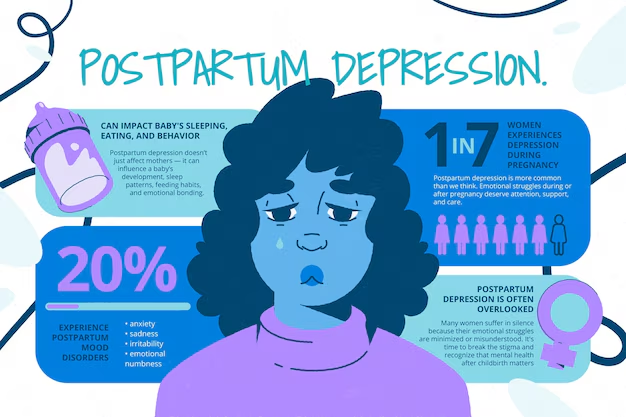
Postpartum depression, also referred to as perinatal depression, is one of the most common perinatal mental health conditions. It affects 1 in 5 new mothers in developing countries and 1 in 10 in high income countries.
Many mothers with postpartum depression also tend to suffer from anxiety symptoms and medically unexplained somatic symptoms. Often, they will have difficulties performing their usual work, domestic or social activities due these symptoms.
Spreading awareness on postpartum depression is important. Read on to find more about perinatal depression, including ways to support a loved one, and how to spread awareness.
What is Postpartum Depression?
Postpartum depression (PPD) is a serious mental health condition that involves intense anxiety and fatigue that affects a person after childbirth. It lasts longer than the “baby blues”, typically over two weeks, is severe, and may interfere with the daily life and the ability to care for the baby.
Symptoms usually develop within the first few weeks after giving birth. But they may begin earlier during pregnancy or up to a year after birth.
Common postpartum symptoms include:
- Depressed mood or severe mood swings
- Difficulty bonding with the bay
- Crying too much
- Fear that you are not a good mother
- Hopelessness
- Restlessness
- Loss of appetite or eating more than usual
- Loss of energy
- Insomnia
- Intense irritability and anger
- Severe anxiety and panic attacks
- Less interest in activities you used to enjoy
- Intrusive thoughts of harming yourself or the baby
Although the symptoms can last for several months, psychotherapy and antidepressants are effective treatment options.
What is Postpartum Psychosis?
Postpartum psychosis is more severe form of the postpartum depression and requires emergency medical attention. It is relatively rare, affecting only 1 in 1,000 women after delivery.
Usually, the symptoms occur quickly after childbirth and are severe, lasting for a few weeks to several months. They include:
- Severe agitation
- Eling confused and lost
- Having obsessive thoughts about the baby
- Paranoia
- Insomnia
- Hallucinations or delusions
- Making attempts to harm oneself or the baby
There’s need for immediate medical attention in the case of postpartum psychosis because of the high risk of suicide and harm to the baby. Treatment options include psychotherapy, hospitalization, and medication.
Who’s at Risk of Postpartum Depression?
Basically, any parent can develop postpartum depression. However, some parents are at a greater risk, including those with a history of mental health conditions, history of fertility challenges, and unplanned or unwanted pregnancy.
Also, high-stress parenting groups, such as queer and trans families, military families, teen parents, single parents, and parents of multiples are at a greater risk of developing postpartum depression.
How to Prevent Postpartum Depression
Postpartum depression is not entirely preventable. However, knowing the signs and what factors increase your risk is helpful.
Some things that you can do to prevent postpartum depression include:
- Limit visitors immediately after childbirth
- Be realistic about your expectations
- Sleep or rest when the baby sleeps
- Ask for help
- Foster your relationship with your partner
- Don’t isolate yourself
- Expect some good and bad days
- Exercise by taking a walk and get out of the house for a break.
When to Seek Professional Help
You should seek professional help when:
- You can’t function normally or cope with everyday situations
- Symptoms persist beyond two weeks
- You have thoughts of self-harm or harming the baby
- Feeling extremely anxious, panicked, or scared most part of the day.
How to Spread Awareness
To spread awareness about postpartum depression, you can educate others about its symptoms, share information online, encourage open conversations, and support community-based awareness initiatives.
Inform and Educate
Share information on symptoms: Many people are unaware of the symptoms and that PPD is an illness not a personal failing. Therefore, it is important that you educate yourself and other on the common signs.
Combat stigma: Explain that PPD is a common and treatable medical condition and not a sign of weakness. Frame discussions to reassure individuals that they are not alone and that help is available.
Support and Encourage
Encourage professional help: Advocate for routine PPD screenings during and after pregnancy as part of the prenatal and postpartum care.
Support informal networks: You can also encourage partners, family, and friends to offer support. They can help with the daily activities around the home as new mothers may feel overwhelmed with trying to keep up with everything.
Encourage social connection: Having enough connection helps reduce postpartum depression. If you notice that a loved seems lonely, you can gently encourage them to try support groups or a mommy-and-me class.
Encourage sleep and rest: There’s a strong link between lack of sleep and the risk of postpartum depression. Helping new mothers to find ways to get sleep is vital for their mental health.
Use online and offline channels
You can utilize social media to share information, personal stories, and resources. Creating or joining groups for new parents can also help.
Engaging with healthcare providers, such as nurses, midwives, and childbirth educators to discuss PPD openly is a good start. It would also be helpful if you make referrals to support services.
Conclusion
Postpartum depression is a common mood disorder affecting 1 in 10 women after childbirth. It’s not your fault, and you didn’t do anything to cause it. having this condition doesn’t make you a bad parent or person as the chemical factors causing PPD are beyond your control.
If you suspect having postpartum depression symptoms, talk to a healthcare provider. They will help you to manage the symptoms the best way possible. Also, medication, counseling, or joining a support group can help.
Frequently Asked Questions
- Can a dad get postpartum depression?
Yes, both partners can experience symptoms of postpartum depression. An estimated 4% of partners experience postpartum depression in the first year after the birth of their child. It is important that both parents seek medical care if they have any signs of depression or anxiety after bringing their child home.
- Do I have postpartum depression or postpartum anxiety?
Postpartum depression and postpartum anxiety share some symptoms, but they are different conditions. Usually, postpartum anxiety manifests itself through excessive worry, panicking, and having irrational fears, or obsessions.
- What causes postpartum depression?
Some of the common causes of postpartum depression include a history of mental health problems, particularly depression. Mental health problems during pregnancy, lack of support from friends or family, and a difficult relationship with a partner can also be possible causes.
Leave a Reply