Author: Wild Rise

  • Why Are Lithium Batteries the Foundation of Modern Electric Bikes?

    Why Are Lithium Batteries the Foundation of Modern Electric Bikes?

    The performance of an electric bicycle depends heavily on the quality of its battery. A well-designed lithium battery for an eBike determines how far the bike can travel, how efficiently the motor performs, how quickly the battery recharges, and how long the entire system remains reliable. As e-bike technology continues to evolve, lithium batteries have become the preferred energy source for manufacturers seeking higher efficiency, lower weight, and longer service life.

    What Makes Lithium Batteries Different from Other Battery Technologies?

    One of the greatest strengths of lithium batteries for eBikes is their ability to deliver consistent performance over hundreds or even thousands of charging cycles. Instead of experiencing a rapid loss of capacity after relatively short use, quality lithium battery packs retain their performance for many years when properly engineered and maintained.

    The technology also supports fast charging, high energy density, and low self-discharge, making lithium batteries suitable for riders who use their e-bikes every day as well as for seasonal users.

    The main advantages include:

    • High energy density, allowing longer riding distances with a compact battery pack.
    • Low weight, improving bicycle handling and reducing overall vehicle mass.
    • Long operational lifespan, often reaching 800–1,500 charging cycles depending on battery quality and operating conditions.
    • Fast charging capability, minimizing downtime.
    • Stable power output, ensuring smooth motor performance throughout the ride.

    These characteristics explain why lithium technology has become the standard across virtually every segment of the electric bicycle market.

    Which Battery Parameters Have the Greatest Impact on Performance?

    Battery capacity is often the first specification considered by buyers, but it is only one part of the equation. The overall performance of a battery depends on the quality of its components and the engineering behind the complete battery pack.

    High-quality lithium cells provide better efficiency, improved thermal stability, and greater durability over time. At the same time, the Battery Management System (BMS) continuously monitors battery operation by controlling voltage, temperature, charging, and cell balancing. This intelligent electronic system protects the battery from conditions that could reduce its lifespan or compromise safety.

    The mechanical construction of the battery pack is equally important. A durable enclosure protects internal components from vibration, moisture, dust, and mechanical impacts that occur during everyday riding. Proper thermal management further improves battery reliability, particularly in demanding operating environments.

    Which E-Bikes Benefit Most from Lithium Battery Technology?

    The versatility of lithium batteries for eBikes makes them suitable for almost every category of electric bicycle currently available on the market. Battery specifications can be adapted to different performance requirements without compromising reliability or efficiency.

    Typical applications include:

    • City and commuter e-bikes
    • Electric mountain bikes (eMTB)
    • Trekking and touring bicycles
    • Cargo bikes
    • Delivery bicycles
    • Bike-sharing fleets
    • Rental bicycles
    • Commercial mobility solutions

    Each application places different demands on battery capacity, power delivery, charging speed, and expected service life. Selecting the right battery configuration helps maximize both vehicle performance and long-term operating efficiency.

    Why Choose EMBS?

    EMBS develops custom lithium batteries for eBikes tailored to the technical requirements of OEM manufacturers and electric mobility projects. Instead of relying on universal battery packs, every solution is engineered according to the electrical, mechanical, and environmental demands of the specific application.

    The development process covers every stage of battery production, including battery pack engineering, mechanical design, Battery Management System integration, testing, validation, and scalable manufacturing. This engineering-focused approach supports the development of reliable battery systems capable of delivering consistent performance throughout their operational life.

    Frequently Asked Questions

    How long do lithium batteries for eBikes typically last?

    A high-quality battery generally delivers 800 to 1,500 charging cycles, although the actual lifespan depends on cell quality, operating temperature, charging habits, and overall battery design.

    Why are lithium batteries better than older battery technologies?

    They provide higher energy density, lower weight, longer service life, faster charging, and better overall efficiency, making them ideal for modern electric bicycles.

    Can lithium batteries be customized for different e-bike models?

    Yes. Battery packs can be designed with specific voltages, capacities, dimensions, connectors, communication interfaces, and housing configurations to match the technical requirements of individual OEM projects.

    Why is the Battery Management System essential?

    The Battery Management System (BMS) protects the battery against overcharging, deep discharge, overheating, and electrical faults while balancing individual cells to maximize safety and battery lifespan.

  • How Custom Thermoforming is Transforming Key Industries

    How Custom Thermoforming is Transforming Key Industries

    Key Takeaways

    • Custom thermoforming offers significant flexibility, enabling manufacturers to produce unique, detailed plastic components efficiently.
    • Diverse fields, such as automotive manufacturing, medicine, agriculture, and consumer products, benefit significantly from thermoformed parts.
    • Continuous improvements in sustainable materials and production technologies are expanding the range of applications for thermoforming.

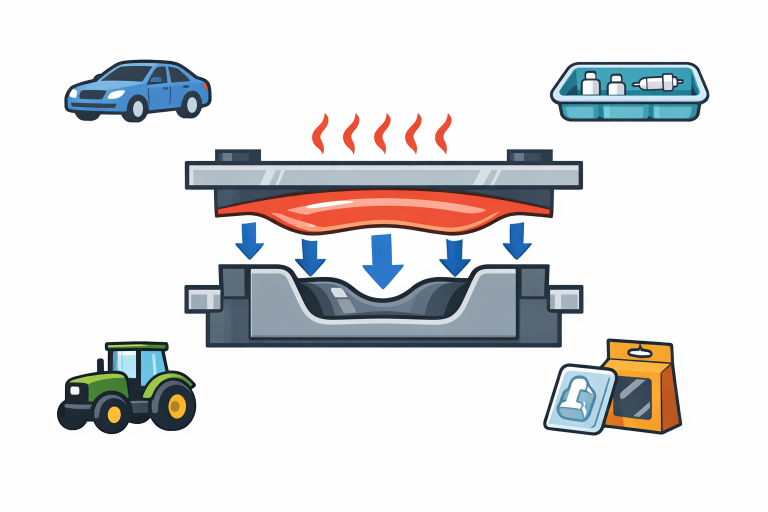
    Custom thermoforming has become one of the most adaptable and efficient manufacturing methods, providing a dynamic solution for creating plastic parts used across numerous sectors. By heating plastic sheets to a malleable state and forming them over specially designed molds, manufacturers produce intricate, high-quality components with exceptional repeatability. This process is embraced by industries that demand precise, cost-effective, and scalable production options. To learn more about this technique and its potential applications, explore Plastic Thermoforming and its diverse benefits for modern manufacturing.

    As technology evolves, industries seek innovative manufacturing approaches to remain agile and competitive. Thermoforming stands out due to its design flexibility, affordability, and suitability for both small and large production runs. Sectors such as automotive, healthcare, agriculture, and consumer goods are using thermoformed plastics to meet specific requirements, fostering innovation and enabling custom solutions.

    Automotive Industry: Enhancing Vehicle Components

    Thermoforming has taken on a strategic role in the automotive sector, where manufacturers strive to produce lighter vehicles with enhanced safety and appealing designs. It is extensively used for creating dashboard covers, interior trim panels, and trunk liners. These components must withstand daily use and exposure to sunlight and other environmental factors. The lightweight nature of thermoformed parts contributes to overall vehicle fuel efficiency, helping meet increasingly stringent regulatory standards. Furthermore, advanced molding techniques allow automotive designers the creative freedom to integrate custom textures, colors, and branding directly onto parts, maximizing both style and function.

    Beyond cosmetic applications, thermoformed products are increasingly used in under-the-hood components and systems that require durability and heat resistance. For example, engine covers, HVAC housings, and battery casings are areas where custom thermoformed parts can deliver weight savings, increased design complexity, and cost-effectiveness without compromising performance. With the rise of electric vehicles, manufacturers are particularly interested in leveraging the adaptability of thermoforming to securely house sensitive electrical and battery assemblies. The continued expansion of the electric and hybrid vehicle markets presents new opportunities for innovation in thermoforming as automotive design requirements rapidly evolve.

    Medical Sector: Precision and Sterility

    In healthcare, strict regulation and patient safety are paramount. Thermoforming plays an important role in supplying the sector with sterile packaging for single-use instruments, device enclosures, and surgical trays. Medical-grade plastics can be thermoformed to achieve precise dimensions and tolerances needed for compatibility with sensitive equipment and regulatory requirements. This ensures reliable protection against contaminants, preserving sterility from the production line to the point of use. Moreover, custom inserts and specialized partitions can be integrated during the forming stage, providing safe, organized packaging for critical devices.

    Medical device manufacturers appreciate the speed and scalability of thermoforming, especially during times of increased demand. During public health emergencies, such as disease outbreaks or natural disasters, the ability to rapidly ramp up production of custom packaging and enclosures becomes vital. Thermoforming also supports the creation of ergonomic designs for medical devices, improving ease of handling and use by healthcare professionals. As telemedicine and home healthcare devices become more prevalent, custom thermoformed plastics play an increasingly important supportive role, ensuring safety, sterility, and aesthetic appeal.

    Agricultural Equipment: Durability in Harsh Environments

    Modern farming relies on heavy-duty equipment capable of withstanding extreme environmental conditions. Thermoformed plastics are commonly used in protective covers, control panels, and machinery housings throughout the agriculture industry. Components made through thermoforming are resistant to impact, UV radiation, chemicals, and temperature fluctuations, making them well-suited for outdoor and industrial use. Their resilience, coupled with the ability to produce large parts without extensive tooling, makes thermoforming a cost-effective choice for agricultural applications. Longevity and durability are critical for farmers investing in equipment, and thermoformed plastics offer the reliability needed in the field.

    In addition, the agricultural sector often requires rapid maintenance solutions, and thermoformed parts can be fabricated quickly to replace worn or damaged components. The versatility of the process also allows manufacturers to adapt products to specialized farming needs, whether creating housings for advanced sensors used in precision agriculture or robust containers for livestock feed and water. By leveraging custom thermoforming, agricultural businesses gain access to highly adaptable equipment solutions that help them operate more productively and efficiently year-round.

    Consumer Goods: Customization and Aesthetics

    In the competitive world of consumer goods, product presentation can be as influential as the product itself. Thermoforming enables companies to produce custom packaging that conforms to the exact contours and dimensions of their merchandise, resulting in both distinctive shelf appeal and optimized protection. Brands turn to this process for its flexibility in creating custom colors, shapes, embossed logos, and other branding elements. Packaging can also be engineered to minimize material use without sacrificing structural integrity, addressing both economic and sustainability motivations.

    Increasingly, retailers and manufacturers are seeking packaging solutions that are both environmentally friendly and visually compelling. Custom thermoforming accommodates these priorities by allowing the inclusion of recycled resins, PCR (post-consumer recycled) plastics, or even biodegradable polymers. This not only helps companies meet regulatory requirements but also strengthens their brand’s eco-friendly image in consumers’ eyes. With quick turnaround and the option to innovate new packaging formats, thermoforming is shaping the future of consumer goods presentation in stores and online alike.

    Advancements in Sustainable Materials

    The ongoing shift towards responsible manufacturing has influenced the development of eco-friendly materials for thermoforming. Biodegradable plastics, recyclable polymers, and renewable-resource materials are increasingly common, reducing the environmental impact of packaging and components. Manufacturers are motivated by consumer preferences and evolving environmental regulations. By integrating sustainable materials, companies position themselves to meet demand while supporting global efforts to reduce plastic pollution and carbon emissions.

    Additionally, new bio-based resins and polymer blends are being engineered for improved strength and heat resistance, making them a viable alternative for even the most demanding applications. These innovations are resulting in customized solutions that meet both performance goals and sustainability initiatives. As the costs of green materials decrease due to technological advances and larger-scale production, more manufacturers are making the shift, driving sustainability forward across the entire supply chain.

    Integration with 3D Printing

    Innovative manufacturers now combine thermoforming with 3D printing technologies, particularly for prototyping and small-scale production. Using 3D-printed molds accelerates design iteration and enables the creation of molds with complex or unconventional geometries that would be impractical or costly through traditional tooling. This hybrid approach streamlines the process from concept to finished part, reduces development costs, and increases manufacturing agility. For industries where rapid product cycles are key, this integration helps bring new ideas to market faster and with greater flexibility.

    By uniting thermoforming with additive manufacturing, companies can create multiple prototype versions for user testing and validation, ensuring optimal functionality and market acceptance before committing to mass production. Furthermore, intricate mold surfaces produced via 3D printing can support unique aesthetic or functional features not easily achieved otherwise, elevating product development beyond conventional boundaries and spurring innovation across every sector served by thermoforming.

    Conclusion

    Custom thermoforming is integral to advancing modern manufacturing. Across diverse industries, it delivers quality, efficiency, and customizable solutions to complex production needs. As new materials and integrations with cutting-edge technologies emerge, thermoforming will continue to play a vital role in shaping the future of manufacturing, supporting development in established fields while opening doors to new possibilities and innovative products.

  • The Timeless Appeal and Benefits of Jasmine Attar in Your Fragrance Collection

    The Timeless Appeal and Benefits of Jasmine Attar in Your Fragrance Collection

    Key Takeaways

    • Jasmine attar offers a complex and evolving scent profile cherished in perfumery.
    • Its natural, alcohol-free composition makes it suitable for sensitive skin.
    • Jasmine attar’s longevity and versatility enhance personal fragrance layering.

    Table of Contents

    1. Introduction
    2. Complex Aroma Profile
    3. Natural and Skin-Friendly
    4. Long-Lasting Fragrance
    5. Versatility in Layering
    6. Cultural Significance
    7. Sustainable Choice
    8. Conclusion

    Jasmine attar, a luscious and concentrated perfume oil derived from the delicate jasmine flower, has captivated fragrance enthusiasts across generations. Revered in natural perfumery, jasmine attar not only embodies a rich scent but also offers a sensory experience that reflects centuries of tradition.

    Unlike common alcohol-based perfumes, jasmine attar’s oil-based formulation provides a unique alternative that feels gentle and nourishing on the skin. Its scent profile, blending sweet, floral, and subtly earthy tones, has been celebrated for centuries in both personal and cultural rituals. Jasmine attar is also recognized for its versatility, serving as both a standalone fragrance and a foundation for layering with other scents.

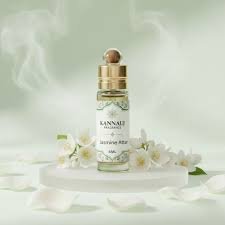
    For those seeking an authentic, traditional fragrance experience, an authentic Indian perfume oil made from jasmine attar offers a refined alternative to synthetic perfumes, combining artisanal craftsmanship with the purity of botanical ingredients. This fragrant oil makes a thoughtful addition for anyone who enjoys fragrances derived from pure, natural ingredients. Not only does jasmine attar embrace timeless beauty standards, but it also meets the modern demand for products that are safe, sustainable, and authentic.

    With a reputation for both olfactory excellence and rich heritage, it is no wonder jasmine attar maintains its place among coveted perfumery ingredients. Those attuned to the artistry of scent will appreciate how jasmine attar’s layers unfold gradually, offering a fragrance journey that evolves throughout the day.

    Complex Aroma Profile

    The essence of jasmine attar lies in its multifaceted scent. Jasmine is renowned for its intoxicating blend of sweet, floral, and slightly musky notes that lend a sensual touch to any perfume composition. According to fragrance specialist Octavia Morgan, jasmine’s ability to provide depth and sophistication makes it indispensable in high-end perfumery. This dynamic scent evolves throughout the day, starting with fresh, green tones upon application and developing into a warm, alluring undertone as it interacts with body chemistry.

    Each bottle of jasmine attar encapsulates layers of fragrance that reveal themselves over time. The top notes open with a clean floral burst, followed by heart notes reminiscent of blooming jasmine at dusk, and finally a grounding hint of musk that lingers longest. Due to its complexity, jasmine attar is often described as enchanting and deeply emotive, capable of evoking feelings of romance, tranquility, or nostalgia, depending on the wearer’s perspective.

    Natural and Skin-Friendly

    Many mainstream fragrances incorporate alcohol and synthetic compounds, which, while aiding in scent projection, can irritate sensitive skin or dry it out. Jasmine attar is traditionally produced through natural extraction, often with sandalwood oil as a carrier, making it both pure and gentle. This alcohol-free formula is a prime choice for those with sensitivities or for consumers drawn toward clean beauty alternatives. Its moisturizing properties allow for comfortable daily use, leaving skin nourished, softly scented, and free of discomfort.

    By choosing pure jasmine attar, users avoid the potential allergens and harsh additives present in many designer perfumes. This makes jasmine attar a thoughtful gift or personal luxury for people at any stage of life, from the fragrance novice to the connoisseur. The rise of natural perfumery trends globally has also spotlighted jasmine attar as a go-to alternative for health-conscious fragrance lovers.

    Long-Lasting Fragrance

    Jasmine attar’s oil-based concentration provides a remarkable longevity that far outpaces that of most alcohol-based perfumes. When applied to pulse points such as the wrists, neck, or behind the ears, its scent adheres to the skin and gently releases aroma for hours. Unlike volatile alcohol-based scents that dissipate quickly, jasmine attar lingers, ensuring one’s personal fragrance remains noticeable throughout the day. Often, a single drop suffices for a full-bodied scent experience, making each vial both economical and long-lasting. This rich staying power makes jasmine attar highly valued for both daily wear and special evening occasions.

    Versatility in Layering

    Another distinguished benefit of jasmine attar is its harmonious compatibility with a range of other perfumes and natural oils. As a base note, jasmine provides an elegant foundation for brighter top notes, such as citrus or lighter florals. It is equally adept as a heart or middle note, amplifying the complexity of signature blends. Enthusiasts often blend jasmine attar with sandalwood, rose, or oud oils to create bespoke scent profiles that reflect personal taste and style. The attar’s moderate aroma never overwhelms, inviting experimentation and the creation of deeply individual fragrances.

    This versatility not only expands a fragrance wardrobe but also encourages creativity in composing unique scent stories. Whether used alone or in combination, jasmine attar elevates every composition with its graceful balance of clarity and strength.

    Cultural Significance

    The use of jasmine in ceremonial, religious, and social settings has a long history across various cultures. Symbolizing purity, affection, and spirituality, jasmine plays a prominent role in rituals from India to the Middle East. Jasmine attar is still employed during festive occasions, weddings, and meditative practices to create an atmosphere of reverence and beauty.

    Incorporating jasmine attar into a personal collection not only enriches one’s scent repertoire but also connects one to the traditions and artistry of generations past. The continued prevalence of jasmine attar in contemporary perfumery underscores the flower’s enduring symbolism and appeal worldwide.

    Sustainable Choice

    Choosing jasmine attar supports time-honored artisanal methods and environmentally mindful production processes. Legitimate jasmine attars are produced using traditional small-batch distillation and rely on minimal chemical intervention, helping to lessen environmental impact compared to synthetic fragrance industries. By purchasing authentic attar, consumers help preserve indigenous skills and reward producers who adhere to high ecological and ethical standards. The use of renewable resources, along with a marked absence of harsh chemicals, makes jasmine attar a conscious consumer’s fragrance of choice.

    Conclusion

    Jasmine attar stands apart in the world of fragrances for its enchanting complexity, gentle composition, and lasting performance. Its rich cultural roots, combined with a modern appreciation for naturalness and sustainability, ensure its lasting place in contemporary scent collections. Whether used as a signature scent or a subtle layering note, jasmine attar enriches daily rituals and special occasions alike with elegance, tradition, and timeless allure.

  • Everyday Outerwear for American Riders Who Want Comfort and Durability

    Everyday Outerwear for American Riders Who Want Comfort and Durability

    American motorcycle riders need outerwear that can handle more than one kind of ride. A rider may start the day on city streets, move onto open highways, stop at a diner, meet friends at a bike night, and return home after sunset. During that time, the weather can change, the road can feel different, and comfort can become just as important as style.

    This is why everyday motorcycle outerwear needs to be practical. It should feel comfortable during normal rides, offer enough durability for regular use, work with different layers, and still look natural when the rider steps off the bike. For many riders, leather jackets, vests, hoodies, flannels, gloves, boots, and denim layers all become part of a dependable riding wardrobe.

    The best outerwear is not always the most complicated. It is the gear that riders can wear often without feeling restricted, overheated, underprepared, or out of place. For cruiser riders, weekend riders, and motorcycle enthusiasts who spend real time on the road, comfort and durability are two of the most important features.

    Why Everyday Outerwear Matters

    Motorcycle riding creates conditions that regular outerwear does not always handle well. Wind pressure, temperature shifts, body position, road dust, and long hours can make ordinary jackets feel uncomfortable. A casual coat may work for walking around town, but it may not feel right once the rider is seated on a motorcycle.

    Everyday riding outerwear has to support movement. Riders need to reach the handlebars, turn their upper body, shift posture, and remain comfortable during stops. A jacket that is too tight across the shoulders or too bulky around the waist can become frustrating. A jacket that is too loose may flap in the wind at highway speed.

    Durability also matters because riders often wear the same outerwear repeatedly. Weekend rides, local routes, bike nights, and casual commutes can put regular stress on gear. Zippers, seams, pockets, and lining all need to hold up over time.

    Good outerwear gives riders confidence. It helps them feel prepared for changing weather and comfortable enough to enjoy the ride.

    Comfort Comes First on Real Rides

    Comfort is one of the first things experienced riders look for in outerwear. A jacket may look good, but if it becomes uncomfortable after thirty minutes, it will not be used often. Real riding quickly reveals whether gear fits properly.

    Comfort starts with fit. A jacket should feel good while seated on the motorcycle, not only while standing. Riders should be able to reach forward without the sleeves pulling too much. The shoulders should allow movement. The front should not bunch uncomfortably at the waist. The jacket should close securely without squeezing the chest.

    The lining also affects comfort. A smooth lining helps the jacket slide over shirts, hoodies, or flannels. Poor lining can bunch up or feel rough during longer wear. Weight matters too. Some riders like a heavier jacket for a stronger feel, while others prefer something lighter for everyday use.

    Comfort is personal, but the goal is the same: outerwear should support the ride without distracting the rider.

    Durability for Regular Motorcycle Use

    Durability is one of the biggest reasons riders choose leather outerwear. Motorcycle apparel faces more wear than ordinary clothing. Wind, sun, dust, repeated movement, and regular stops can all affect how long a piece lasts.

    A good biker leather jacket can be a strong choice for riders who want outerwear that feels classic, sturdy, and useful across many rides. Leather has stayed popular in motorcycle culture because it can handle repeated use and often becomes more comfortable as it breaks in.

    Durability is not only about the leather itself. Riders should pay attention to stitching, zippers, pockets, lining, and closures. Strong seams help the jacket maintain its shape. Reliable zippers and snaps make the jacket easier to use. Well-placed pockets prevent stress in awkward areas.

    Durable outerwear can offer better long-term value because it does not need to be replaced quickly. Riders who invest in good gear often appreciate how it becomes part of their regular routine.

    Outerwear That Works Across Different Conditions

    American riders deal with many different climates. A rider in Texas may need lighter layers for warm weather, while a rider in Michigan may need stronger outerwear for cool mornings and fall rides. Even within one day, temperatures can change quickly.

    Everyday outerwear should be flexible enough to handle these changes. A jacket can be worn over a T-shirt in mild weather, over a flannel during cooler rides, or over a hoodie when the temperature drops. This kind of layering helps riders stay comfortable without needing completely different gear for every ride.

    A leather jacket is especially useful during cooler weather because it helps reduce wind exposure. Wind can make a ride feel much colder than the actual temperature. A jacket that blocks wind well can make longer rides more comfortable.

    For transitional seasons like spring and fall, flexible outerwear becomes even more important. Riders need gear that can adjust as the day changes.

    The Role of Style in Everyday Riding

    Motorcycle outerwear is practical, but it is also part of rider identity. Many American riders choose gear that reflects their bike, personality, and connection to the road. Style matters because motorcycle apparel is often worn beyond the ride itself.

    A jacket should look natural at gas stops, diners, bike nights, rallies, and casual meetups. Riders do not always want gear that looks overly technical or out of place once they park the motorcycle. Classic leather outerwear has an advantage because it fits both the road and the social side of riding.

    This is one reason motorcycle jackets continue to remain popular. They offer a recognizable road style while still serving practical needs. A good jacket can look rugged, clean, vintage, or bold depending on the rider’s preference.

    Style should not replace function, but when outerwear offers both, it becomes more valuable. Riders are more likely to wear gear regularly when it feels comfortable and matches their personal look.

    Practical Storage for Daily Essentials

    Riders often carry small items during everyday rides. A phone, wallet, keys, sunglasses, earplugs, cash, cards, registration papers, and other essentials all need secure storage. Jacket pockets can make this easier.

    A practical motorcycle jacket should offer pockets that are useful while riding and during stops. Inside pockets are good for valuables. Outside pockets are helpful for quick access. Zippered or snapped pockets can keep items more secure while the rider is moving.

    Pocket placement matters. A pocket that sits in the wrong place can press into the body while seated. A pocket that is too shallow may not feel secure. A pocket that is hard to access may become annoying during frequent stops.

    Good storage helps riders stay organized without needing a backpack for every short ride. For everyday use, this convenience matters more than many new riders expect.

    Layering Without Losing Mobility

    Layering is important, but it should not make the rider feel stiff or bulky. Everyday outerwear should allow enough room for practical layers while still fitting securely. Riders may wear a T-shirt, long-sleeve shirt, flannel, hoodie, or thermal layer depending on the season.

    The jacket should still allow movement with these layers underneath. If the shoulders feel tight or the sleeves pull, the setup may not work well. If the jacket becomes too loose when worn over lighter clothing, it may flap in the wind.

    The best outerwear balances layering room with a clean fit. Riders should think about the clothing they actually wear most often and choose a jacket that works with those layers.

    Mobility matters because motorcycle riding requires constant small movements. Gear should not limit the rider’s ability to steer, signal, adjust posture, or control the motorcycle comfortably.

    Wind Behavior on Highways

    A jacket that feels fine at low speed may behave differently on the highway. Wind can lift loose fabric, push air through openings, and create flapping that becomes distracting. Everyday outerwear should feel stable at different speeds.

    Secure closures help. A strong front zipper, reliable snaps, and good cuff closures can reduce wind entry. The waist and collar should also be considered. If too much air enters the jacket, the rider may feel cold or uncomfortable.

    Leather outerwear often performs well in wind because of its structure and weight. A properly fitting leather jacket can help riders feel more protected from direct airflow than many casual jackets.

    For American riders who move between city streets and highways, wind behavior is an important detail. A jacket should support both environments.

    Off-Bike Comfort and Everyday Use

    Motorcycle rides often include stops. Riders may visit a restaurant, fuel station, garage, dealership, local shop, bike night, or rally. Outerwear that feels comfortable off the bike is more useful than gear that only works while riding.

    A good everyday jacket should be easy to keep on during stops. It should not feel too heavy, too stiff, or too awkward while walking around. It should also look natural in casual settings.

    This off-bike comfort is one reason classic motorcycle outerwear remains popular. It supports the whole riding lifestyle, not only the miles on the road. Riders can wear it during the ride and continue wearing it after they park.

    For many riders, this is practical and personal. The jacket becomes part of their everyday identity.

    Seasonal Outerwear Planning

    Riders who want comfort and durability should think about outerwear across the full riding season. One jacket may work for mild and cool weather, while a vest or lighter layer may be better in summer. Gloves, boots, and base layers should also change with the weather.

    Spring and fall often require the most flexibility. Riders may need a jacket in the morning and lighter layers later in the day. Summer may call for vests or lighter outerwear. Cooler months may require thicker layers and better wind protection.

    A durable jacket can serve as a central piece in a seasonal wardrobe. It can be paired with different shirts, hoodies, gloves, and vests depending on the ride.

    Planning outerwear this way helps riders get more use from each piece and stay comfortable in more conditions.

    How Riders Can Evaluate Everyday Outerwear

    Before choosing everyday outerwear, riders should ask practical questions. Does the jacket feel comfortable while seated on the motorcycle? Can the rider reach the handlebars without restriction? Does the jacket allow realistic layering? Are the pockets useful? Do the closures feel secure? Does the material feel durable enough for regular use?

    Riders should also think about their normal routes. Someone who rides mostly around town may need different features than someone who spends more time on highways. A rider who attends events may care more about off-bike comfort and style. A rider who travels in cooler weather may need stronger wind protection.

    The right outerwear should match the rider’s actual habits. Gear that fits real use will be worn more often and provide better value.

    Caring for Leather Outerwear

    Durable leather outerwear still needs care. Riders should clean off dust and road grime, allow the jacket to air out after rides, and condition the leather when needed. Proper care helps prevent dryness and keeps the leather flexible.

    Leather should be stored in a dry place away from extreme heat. If it gets wet, it should dry naturally rather than with strong direct heat. Zippers and snaps should also be checked occasionally to make sure they continue working properly.

    Care does not need to be complicated, but it should be consistent. A well-maintained leather jacket can remain useful for many riding seasons.

    Why Comfort and Durability Work Together

    Comfort and durability are sometimes treated as separate features, but they work together. Durable gear is only useful if the rider actually wants to wear it. Comfortable gear is only valuable if it holds up over time.

    The best outerwear offers both. It feels good during real rides and has the construction to handle repeated use. It supports movement, blocks wind, offers storage, layers well, and fits the rider’s style.

    For serious riders, this balance matters. A jacket that looks good but feels uncomfortable will not become a favorite. A jacket that feels comfortable but wears out quickly will not provide long-term value. The ideal choice does both.

    Final Thoughts

    Everyday outerwear for American riders should be comfortable, durable, practical, and connected to the motorcycle lifestyle. Riders need gear that works on city streets, highways, weekend routes, bike nights, and casual stops. The right jacket should support the full experience of riding, not just one part of it.

    Leather outerwear remains a trusted choice because it offers classic style, wind resistance, long-term durability, and everyday usefulness. When chosen carefully, a good jacket can become one of the most dependable pieces in a rider’s wardrobe.

    For riders who want comfort and durability, the best outerwear is the gear that feels natural on the bike, looks right off the bike, and holds up through many miles of real road use.

  • The Best Golf Sunglasses for Players Who Want Sharper Vision on Every Shot

    The Best Golf Sunglasses for Players Who Want Sharper Vision on Every Shot

    Golf is often described as a game of precision, patience, and consistency. While players spend countless hours refining their swing mechanics and short-game techniques, many overlook one factor that directly influences performance: vision. The right prescription golf sunglasses can improve depth perception, reduce glare, and help golfers see the course more clearly from the tee box to the green.

    Whether you’re tracking a drive against a bright sky, reading subtle breaks on the putting surface, or judging distance to a hazard, visual clarity plays a critical role in every shot. Modern golf sunglasses are designed to enhance visibility while providing comfort during long hours outdoors.

    Why Prescription Golf Sunglasses Matter on the Course

    Golf presents unique visual challenges. Players constantly shift focus between distant targets, mid-range fairways, and close-up putting surfaces. Bright sunlight, reflective water hazards, and changing weather conditions can make accurate vision even more difficult.

    Standard sunglasses may reduce brightness, but they do not address prescription needs or sport-specific visual demands. Purpose-built prescription golf sunglasses combine vision correction with advanced lens technologies designed for outdoor performance.

    The result is clearer sightlines, reduced eye strain, and improved confidence throughout the round.

    Common Vision Challenges Golfers Face

    • Difficulty tracking the ball in flight
    • Glare from water hazards and sand traps
    • Eye fatigue during long rounds
    • Reduced contrast on greens
    • Trouble judging distances accurately
    • Changing light conditions throughout the day

    The right eyewear helps golfers manage these challenges more effectively.

    How Better Vision Can Improve Golf Performance

    Vision influences nearly every aspect of golf.

    Golfers rely heavily on depth perception to judge distances, evaluate slopes, and select the correct club. Even small visual inconsistencies can affect decision-making and shot execution.

    Benefits of High-Quality Golf Eyewear

    ✔ Improved ball tracking

    ✔ Enhanced contrast on greens

    ✔ Better distance perception

    ✔ Reduced glare

    ✔ Less eye fatigue

    ✔ Increased comfort during long rounds

    These advantages may not directly lower scores overnight, but they help players perform more consistently.

    What Makes the Best Golf Sunglasses Different?

    Not all sports sunglasses are designed with golfers in mind.

    The Best Golf Sunglasses provide a balance of visual enhancement, lightweight comfort, and reliable sun protection. They allow golfers to maintain focus without distraction from glare or uncomfortable frames.

    Features Worth Prioritizing

    FeatureBenefit
    Prescription lensesClear vision across the course
    UV protectionReduced sun-related eye strain
    Lightweight framesComfortable all-day wear
    Polarized optionsReduced glare
    Wraparound coverageEnhanced peripheral vision

    These features contribute to a better overall experience on the course.

    Top Prescription Golf Sunglasses for Serious Players

    CA Glasses offers several excellent options for golfers who need both prescription correction and sport-ready performance.

    Matrix Venice Prescription Safety Sports Sunglasses

    The Matrix Venice features a sporty wraparound design that provides excellent coverage and visual stability. Golfers benefit from its comfortable fit and ability to maintain clear vision throughout an entire round. The frame is lightweight enough for extended wear while offering dependable protection from bright sunlight.

    Roxboro Prescription Sports Glasses

    The Roxboro combines a lightweight aluminum construction with a versatile design that transitions easily from the course to everyday use. Golfers who prefer a lighter frame often appreciate the comfort and durability this model provides during long rounds.

    Matrix Orange Halo Prescription Sports Sunglasses

    Specifically designed for active outdoor use, the Matrix Orange Halo performs exceptionally well on the golf course. The frame delivers a secure fit while helping players maintain visual clarity in varying light conditions. Its sport-oriented design makes it particularly appealing to golfers who value both performance and style.

    Matrix Sparks Prescription Sports Glasses

    The Matrix Sparks offers durability and visual performance in a lightweight package. Its comfortable fit helps reduce distractions during play, allowing golfers to stay focused on shot execution and course management.

    Ovington Prescription Sports Glasses

    The Ovington stands out for its lens customization options, including polarized and transition lenses. Golfers who regularly play in changing weather conditions often appreciate the flexibility these lens choices provide.

    Why Lens Technology Matters in Golf

    Many golfers focus on frames, but lenses often have a greater impact on visual performance.

    Different lighting conditions require different visual solutions. Morning tee times, midday sunlight, and late-afternoon rounds all present unique challenges.

    Popular Lens Options for Golfers

    Lens TypeBest Use
    PolarizedBright sunny conditions
    TransitionVariable lighting
    TintedEnhanced contrast
    UV-blockingLong-term eye protection
    Prescription lensesCorrected vision on course

    Selecting the right lens configuration can significantly improve visibility throughout the round.

    Reducing Eye Fatigue During Long Rounds

    A typical round of golf can last four to five hours. During that time, players are constantly exposed to sunlight, wind, and varying terrain.

    Without proper eye protection, visual fatigue can gradually affect focus and performance.

    Signs of Eye Fatigue

    • Difficulty focusing late in the round
    • Increased squinting
    • Headaches
    • Reduced concentration
    • Slower visual processing

    Quality eyewear helps minimize these issues and keeps vision consistent from the first hole to the last.

    Comfort Is Just as Important as Clarity

    Golfers spend several hours wearing their sunglasses, often in warm conditions. Poorly fitting frames can quickly become distracting.

    What Golfers Should Look For

    • Lightweight materials
    • Secure fit without pressure points
    • Stable positioning during movement
    • Adequate ventilation
    • Comfortable nose pads

    The best-performing sunglasses are often the ones players forget they are wearing.

    Why More Golfers Are Choosing Prescription Sports Eyewear

    Today’s golfers understand that vision is part of performance. Just as players invest in quality clubs and professional instruction, many now recognize the value of eyewear specifically designed for the demands of the game.

    The growing popularity of best prescription sunglasses for golf reflects a broader focus on optimizing every aspect of performance. Clearer vision allows golfers to make better decisions, track the ball more effectively, and play with greater confidence.

    Why CA Glasses Is a Trusted Choice for Golf Eyewear

    CA Glasses offers a wide selection of prescription sports eyewear designed for active lifestyles. Their golf-friendly models combine prescription accuracy, durable construction, and sport-focused features that support better visual performance on the course.

    Golfers looking for dependable vision correction and outdoor-ready eyewear can find options tailored to a variety of playing styles and preferences.

    Conclusion

    The right prescription golf sunglasses do far more than block sunlight. They improve visual clarity, reduce glare, enhance contrast, and help golfers maintain focus throughout every round. Whether you’re tracking drives, reading greens, or navigating challenging course conditions, quality eyewear can have a meaningful impact on your performance.

    For golfers who want sharper vision, greater comfort, and more confidence on every shot, investing in well-designed prescription sports eyewear is a decision that pays dividends every time they step onto the course.

  • How to Spread Awareness on Postpartum Depression

    How to Spread Awareness on Postpartum Depression

    By Dr. Diana Rangaves, PharmD, Google Scholar

    Postpartum depression, also referred to as perinatal depression, is one of the most common perinatal mental health conditions. It affects 1 in 5 new mothers in developing countries and 1 in 10 in high income countries. 

    Many mothers with postpartum depression also tend to suffer from anxiety symptoms and medically unexplained somatic symptoms. Often, they will have difficulties performing their usual work, domestic or social activities due these symptoms. 

    Spreading awareness on postpartum depression is important. Read on to find more about perinatal depression, including ways to support a loved one, and how to spread awareness. 

    What is Postpartum Depression?

    Postpartum depression (PPD) is a serious mental health condition that involves intense anxiety and fatigue that affects a person after childbirth. It lasts longer than the “baby blues”, typically over two weeks, is severe, and may interfere with the daily life and the ability to care for the baby.

    Symptoms usually develop within the first few weeks after giving birth. But they may begin earlier during pregnancy or up to a year after birth.

    Common postpartum symptoms include:

    • Depressed mood or severe mood swings
    • Difficulty bonding with the bay
    • Crying too much
    • Fear that you are not a good mother
    • Hopelessness
    • Restlessness
    • Loss of appetite or eating more than usual
    • Loss of energy
    • Insomnia
    • Intense irritability and anger 
    • Severe anxiety and panic attacks
    • Less interest in activities you used to enjoy
    • Intrusive thoughts of harming yourself or the baby

    Although the symptoms can last for several months, psychotherapy and antidepressants are effective treatment options. 

    What is Postpartum Psychosis?

    Postpartum psychosis is more severe form of the postpartum depression and requires emergency medical attention. It is relatively rare, affecting only 1 in 1,000 women after delivery. 

    Usually, the symptoms occur quickly after childbirth and are severe, lasting for a few weeks to several months. They include:

    • Severe agitation
    • Eling confused and lost
    • Having obsessive thoughts about the baby
    • Paranoia 
    • Insomnia
    • Hallucinations or delusions
    • Making attempts to harm oneself or the baby

    There’s need for immediate medical attention in the case of postpartum psychosis because of the high risk of suicide and harm to the baby. Treatment options include psychotherapy, hospitalization, and medication. 

    Who’s at Risk of Postpartum Depression?

    Basically, any parent can develop postpartum depression. However, some parents are at a greater risk, including those with a history of mental health conditions, history of fertility challenges, and unplanned or unwanted pregnancy. 

    Also, high-stress parenting groups, such as queer and trans families, military families, teen parents, single parents, and parents of multiples are at a greater risk of developing postpartum depression. 

    How to Prevent Postpartum Depression

    Postpartum depression is not entirely preventable. However, knowing the signs and what factors increase your risk is helpful.

    Some things that you can do to prevent postpartum depression include:

    • Limit visitors immediately after childbirth
    • Be realistic about your expectations
    • Sleep or rest when the baby sleeps
    • Ask for help
    • Foster your relationship with your partner
    • Don’t isolate yourself
    • Expect some good and bad days
    • Exercise by taking a walk and get out of the house for a break. 

    When to Seek Professional Help

    You should seek professional help when:

    • You can’t function normally or cope with everyday situations
    • Symptoms persist beyond two weeks
    • You have thoughts of self-harm or harming the baby
    • Feeling extremely anxious, panicked, or scared most part of the day.

    How to Spread Awareness

    To spread awareness about postpartum depression, you can educate others about its symptoms, share information online, encourage open conversations, and support community-based awareness initiatives. 

    Inform and Educate

    Share information on symptoms: Many people are unaware of the symptoms and that PPD is an illness not a personal failing. Therefore, it is important that you educate yourself and other on the common signs.

    Combat stigma: Explain that PPD is a common and treatable medical condition and not a sign of weakness. Frame discussions to reassure individuals that they are not alone and that help is available. 

    Support and Encourage 

    Encourage professional help: Advocate for routine PPD screenings during and after pregnancy as part of the prenatal and postpartum care.

    Support informal networks: You can also encourage partners, family, and friends to offer support. They can help with the daily activities around the home as new mothers may feel overwhelmed with trying to keep up with everything.

    Encourage social connection: Having enough connection helps reduce postpartum depression. If you notice that a loved seems lonely, you can gently encourage them to try support groups or a mommy-and-me class. 

    Encourage sleep and rest: There’s a strong link between lack of sleep and the risk of postpartum depression. Helping new mothers to find ways to get sleep is vital for their mental health. 

    Use online and offline channels

    You can utilize social media to share information, personal stories, and resources. Creating or joining groups for new parents can also help. 

    Engaging with healthcare providers, such as nurses, midwives, and childbirth educators to discuss PPD openly is a good start. It would also be helpful if you make referrals to support services. 

    Conclusion

    Postpartum depression is a common mood disorder affecting 1 in 10 women after childbirth. It’s not your fault, and you didn’t do anything to cause it. having this condition doesn’t make you a bad parent or person as the chemical factors causing PPD are beyond your control. 

    If you suspect having postpartum depression symptoms, talk to a healthcare provider. They will help you to manage the symptoms the best way possible. Also, medication, counseling, or joining a support group can help. 

    Frequently Asked Questions

    1. Can a dad get postpartum depression?

    Yes, both partners can experience symptoms of postpartum depression. An estimated 4% of partners experience postpartum depression in the first year after the birth of their child. It is important that both parents seek medical care if they have any signs of depression or anxiety after bringing their child home. 

    1. Do I have postpartum depression or postpartum anxiety?

    Postpartum depression and postpartum anxiety share some symptoms, but they are different conditions. Usually, postpartum anxiety manifests itself through excessive worry, panicking, and having irrational fears, or obsessions. 

    1. What causes postpartum depression?

    Some of the common causes of postpartum depression include a history of mental health problems, particularly depression. Mental health problems during pregnancy, lack of support from friends or family, and a difficult relationship with a partner can also be possible causes.