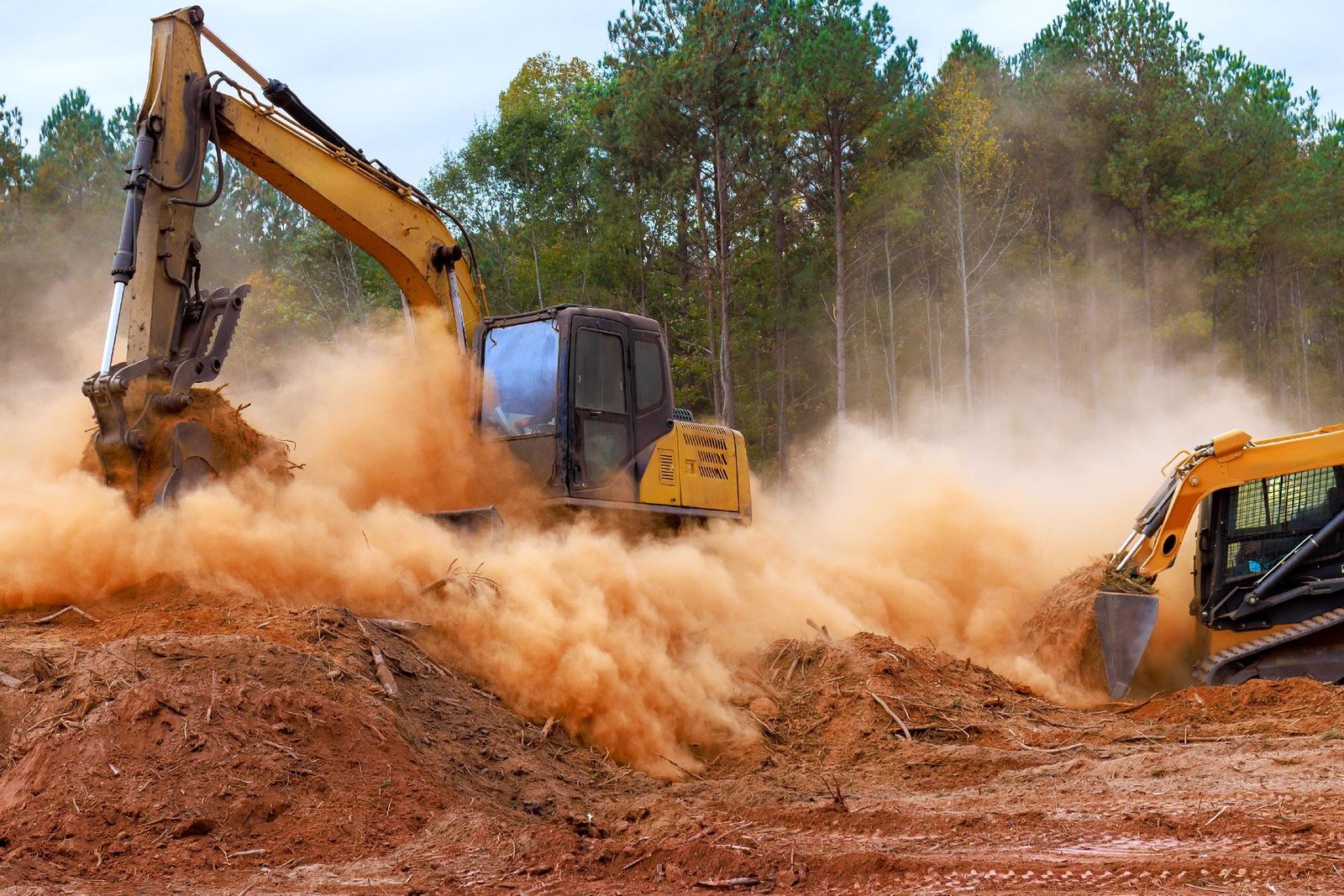
In 2026, access to capital is still one of the major differences between growing businesses and those that are not growing. To contractors, truckers, manufacturers, and farmers, equipment is not a luxury; it is a necessity, and it is the engine of revenue growth. When you have a bad credit score, it is like hitting a roadblock. However, it does not have to be like hitting the brakes on your growth plans. There are still heavy equipment financing solutions for you to access across the United States. The solution is provided by specialized lenders who do not look at your credit score; instead, they look at the value of your equipment and your business. The banking institutions heavily rely on your credit score. The fact is, though, the traditional banking model does not apply today. The truth is, there are now specialized heavy equipment financing solutions for you to access if you have a bad credit score. They understand that unexpected business challenges, such as economic downturns, delayed payments, and cash flow problems, do not define your business’s potential.
Asset-Based Lending Will Facilitate Approvals Through 2026
A borrower with bad credit has a great alternative in asset-based lending through heavy equipment financing. Asset-based lending products are ultimately collateralized by the equipment itself and, therefore, still represent at least half of a lender’s risk. Thus, lenders have more opportunity to approve potential borrowers than if they made an approval decision primarily based on the borrower’s credit history. When making lending decisions based on asset-based models, lenders identify the following variables:
- The current market value of the equipment and its potential resale strength.
- The expected future cash flows are to be generated from the equipment.
- The current level of stability in the borrower’s cash flow.
- The level of demand in the industry for the equipment to be financed.
Because lenders are valuing equipment with tangible value, lenders are able to make approval decisions based primarily on collateral and not rely heavily on the applicant’s credit score. Hence, as long as the equipment is currently supporting contracts or producing income, lenders view the transaction as self-sufficient through the value of the equipment alone. This type of heavy equipment financing is particularly advantageous to construction companies acquiring excavators, trucking companies acquiring semi-trucks, or manufacturers acquiring production equipment. The higher the value of the collateralized equipment, the more favorable the likelihood of loan approval.
Flexible Structures That Facilitate Credit Rebuilding
On top of that, the flexibility in payments is a major benefit of modern heavy equipment financing. In 2026, major U.S. lenders have come to understand that rigid monthly payments can very much hinder a recovering business situation. Therefore, they have gone to offer structured programs such as:
- Seasonal payment schedules
- Step-up payment plans
- Deferred initial payments
- Customized amortization periods
Eventually, regular payments will help to establish your business credit profile in a positive light. Most lenders are payment history reporters, so businesses have an opportunity to improve their credit score simply by operating in a commendable way. Instead of seeing financing as a burden, companies can treat heavy equipment financing as a strategic lever to regain financial trustworthiness.
Costs, Equipment Loan Rate, and Long-Term Benefits
Applicants with bad credit often worry about the equipment loan rates when applying for an equipment loan. Though the rates might be slightly higher than those offered by prime banks, they are much lower than those of unsecured working capital loans and merchant cash loans. There are several factors that affect the equipment loan rates:
- Equipment type: new or used equipment
- Down payment amount
- Time in business
- Industry stability
- Revenue size
Providing a 10-20% down payment can actually reduce the costs and increase the chances of approval. In addition, choosing equipment with high resale value can actually lower the equipment loan rates and provide better terms. While comparing equipment loan rates, it is always important to compare the costs of owning the equipment, which actually provide better benefits to the company, especially when it is structured as heavy equipment financing.
Finding the Right U.S. Heavy Equipment Lender in 2026
There are many independent lenders in the U.S. that provide financing for businesses with poor credit ratings. These lenders usually respond to loan applications in 1-3 days and accept lower credit ratings compared to traditional banking institutions. However, it is recommended that you avoid aggressive short-term loans, as this would put additional pressure on your finances. As a borrower, it is recommended that you ensure you have all your current bank statements, quotes from equipment vendors, your business registration documents, and a brief history of your past credit history before making a loan application. This would increase your chances of securing a loan and boost your confidence with the lender.
Conclusion
Going into 2026, bad credit should not necessarily mean shutting down or stopping your expansion plans. Heavy equipment financing is an alternative that provides a way out of bad situations with asset-based approvals, flexible repayment structures, and experienced U.S. lenders. If you choose the right lender and make the payments work for you, you will be able to acquire the equipment that your business needs, maintain the productivity level, and simultaneously start from scratch with a gradual improvement in your credit profile.
Leave a Reply