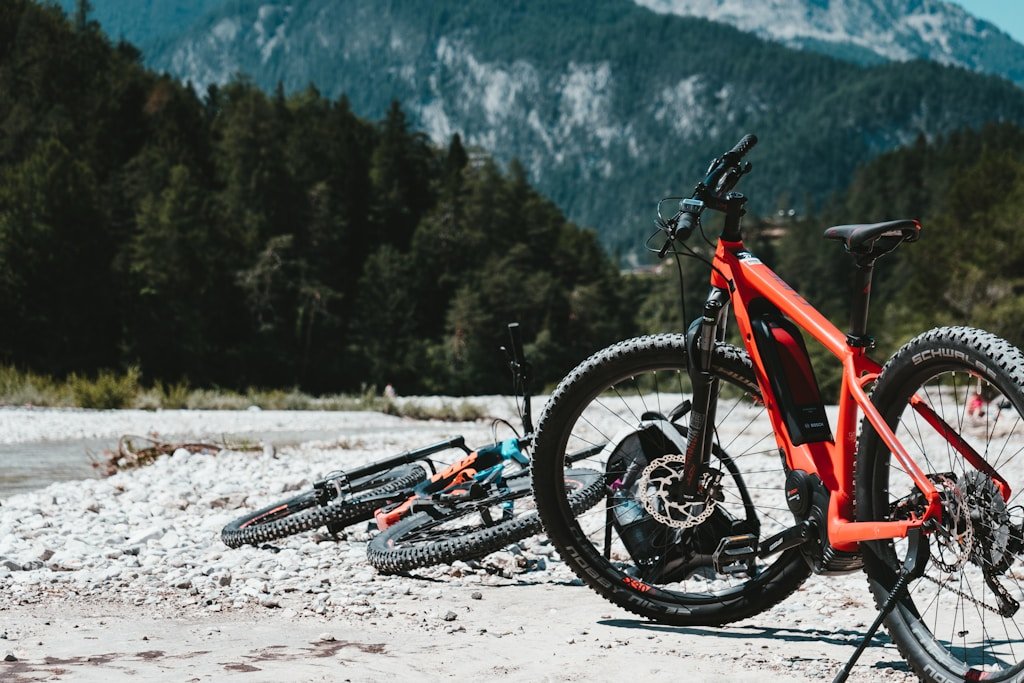
The performance of an electric bicycle depends heavily on the quality of its battery. A well-designed lithium battery for an eBike determines how far the bike can travel, how efficiently the motor performs, how quickly the battery recharges, and how long the entire system remains reliable. As e-bike technology continues to evolve, lithium batteries have become the preferred energy source for manufacturers seeking higher efficiency, lower weight, and longer service life.
What Makes Lithium Batteries Different from Other Battery Technologies?
One of the greatest strengths of lithium batteries for eBikes is their ability to deliver consistent performance over hundreds or even thousands of charging cycles. Instead of experiencing a rapid loss of capacity after relatively short use, quality lithium battery packs retain their performance for many years when properly engineered and maintained.
The technology also supports fast charging, high energy density, and low self-discharge, making lithium batteries suitable for riders who use their e-bikes every day as well as for seasonal users.
The main advantages include:
- High energy density, allowing longer riding distances with a compact battery pack.
- Low weight, improving bicycle handling and reducing overall vehicle mass.
- Long operational lifespan, often reaching 800–1,500 charging cycles depending on battery quality and operating conditions.
- Fast charging capability, minimizing downtime.
- Stable power output, ensuring smooth motor performance throughout the ride.
These characteristics explain why lithium technology has become the standard across virtually every segment of the electric bicycle market.
Which Battery Parameters Have the Greatest Impact on Performance?
Battery capacity is often the first specification considered by buyers, but it is only one part of the equation. The overall performance of a battery depends on the quality of its components and the engineering behind the complete battery pack.
High-quality lithium cells provide better efficiency, improved thermal stability, and greater durability over time. At the same time, the Battery Management System (BMS) continuously monitors battery operation by controlling voltage, temperature, charging, and cell balancing. This intelligent electronic system protects the battery from conditions that could reduce its lifespan or compromise safety.
The mechanical construction of the battery pack is equally important. A durable enclosure protects internal components from vibration, moisture, dust, and mechanical impacts that occur during everyday riding. Proper thermal management further improves battery reliability, particularly in demanding operating environments.
Which E-Bikes Benefit Most from Lithium Battery Technology?
The versatility of lithium batteries for eBikes makes them suitable for almost every category of electric bicycle currently available on the market. Battery specifications can be adapted to different performance requirements without compromising reliability or efficiency.
Typical applications include:
- City and commuter e-bikes
- Electric mountain bikes (eMTB)
- Trekking and touring bicycles
- Cargo bikes
- Delivery bicycles
- Bike-sharing fleets
- Rental bicycles
- Commercial mobility solutions
Each application places different demands on battery capacity, power delivery, charging speed, and expected service life. Selecting the right battery configuration helps maximize both vehicle performance and long-term operating efficiency.
Why Choose EMBS?
EMBS develops custom lithium batteries for eBikes tailored to the technical requirements of OEM manufacturers and electric mobility projects. Instead of relying on universal battery packs, every solution is engineered according to the electrical, mechanical, and environmental demands of the specific application.
The development process covers every stage of battery production, including battery pack engineering, mechanical design, Battery Management System integration, testing, validation, and scalable manufacturing. This engineering-focused approach supports the development of reliable battery systems capable of delivering consistent performance throughout their operational life.
Frequently Asked Questions
How long do lithium batteries for eBikes typically last?
A high-quality battery generally delivers 800 to 1,500 charging cycles, although the actual lifespan depends on cell quality, operating temperature, charging habits, and overall battery design.
Why are lithium batteries better than older battery technologies?
They provide higher energy density, lower weight, longer service life, faster charging, and better overall efficiency, making them ideal for modern electric bicycles.
Can lithium batteries be customized for different e-bike models?
Yes. Battery packs can be designed with specific voltages, capacities, dimensions, connectors, communication interfaces, and housing configurations to match the technical requirements of individual OEM projects.
Why is the Battery Management System essential?
The Battery Management System (BMS) protects the battery against overcharging, deep discharge, overheating, and electrical faults while balancing individual cells to maximize safety and battery lifespan.
Leave a Reply