Table of Contents
Dental implants stand at the forefront of restorative dentistry, seamlessly blending durability with aesthetics to provide life-changing results for patients experiencing tooth loss. As techniques and materials continue to evolve, people seeking dental implants in West Palm Beach or anywhere else are discovering solutions that mimic nature more closely than ever before. With ongoing innovations, these restorative procedures have become more accessible and patient-friendly. Patients benefit from shorter recovery times, improved comfort, and more reliable outcomes, transforming not only their oral health but also their overall confidence. Remarkable breakthroughs have positioned modern dental implants as the gold standard for smile restorations.
Evolution of Dental Implants
Dental implants were once rudimentary, lacking the finesse and comfort seen in today’s restorative solutions. The earliest forms were bulky and gave limited satisfaction in replicating natural teeth. Over the decades, these implants have evolved through ongoing research and patient-focused innovation. Today’s dental implants are carefully engineered to provide both structural integrity and cosmetic appeal, serving as individual tooth replacements or as secure anchors for larger prosthetic devices. This progression has not only improved appearance and function but has also significantly increased long-term success rates.
Materials and Design Innovations
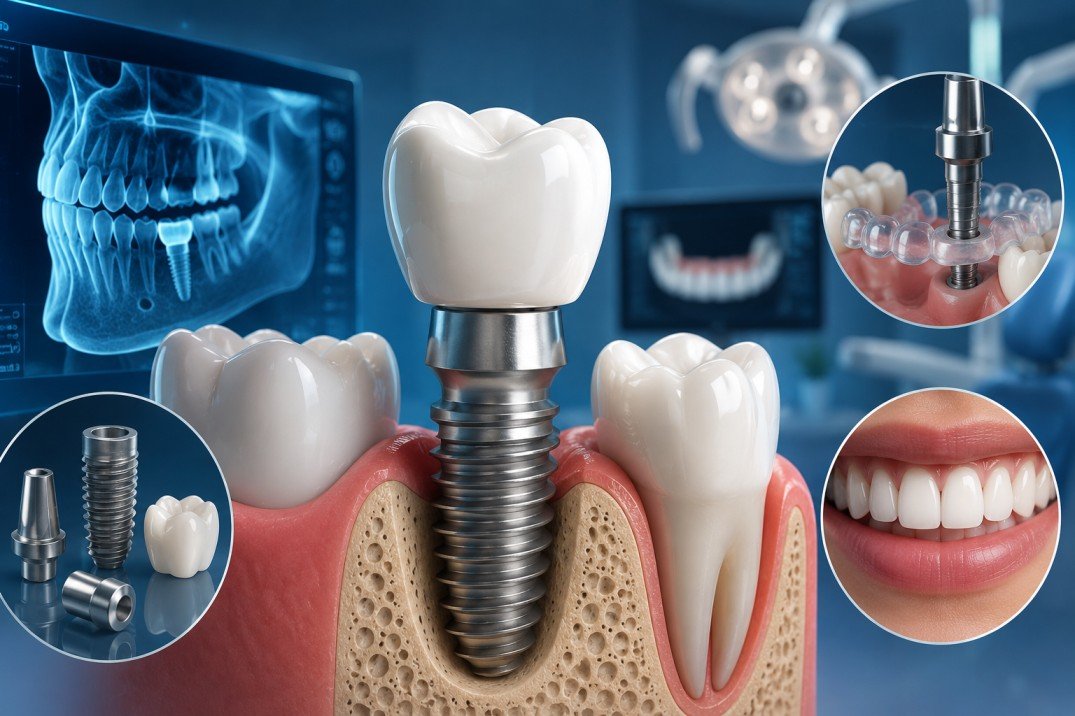
Contemporary dental implants are constructed from biocompatible materials such as titanium and zirconia. These substances integrate readily with the jawbone, a phenomenon known as osseointegration. This biological process is crucial to ensuring the implant remains a stable, permanent fixture in the mouth. The use of textured surfaces and innovative implant shapes has refined the speed and quality of bone bonding. For the patient, this means faster healing and a reduced likelihood of complications. Furthermore, companies and research groups have developed designs that closely replicate the dimensions and angles of natural teeth, improving both aesthetic outcomes and overall comfort.
Technological Advancements in Implantology
The rise of digital dentistry has enabled highly accurate implant procedures. Technologies such as 3D imaging, digital impressions, and cone beam computed tomography (CBCT) scans allow dental professionals to visualize the internal anatomy of the mouth with remarkable detail. With these digital resources, implant placement is meticulously planned and executed, reducing surgical risks and decreasing treatment timelines. Patients benefit from targeted and minimally invasive interventions, experiencing less discomfort and faster recovery.
Minimally Invasive Techniques
Innovative surgical techniques now allow implants to be placed with minimal disruption to soft tissue and nerve structures. Using computer-guided surgery and precision tools, dentists can perform these procedures through tiny incisions. This approach minimizes trauma, speeds healing, and enhances the natural feel of the implant in the mouth. Patients benefit not only from reduced post-operative pain but also from the preservation of healthy gum and bone tissue for a more authentic smile experience.
The Rise of All-on-4 Implants
Patients who are missing an entire arch of teeth now benefit from the All-on-4 system, which uses just four strategically placed implants to anchor a full prosthetic arch. This innovation has transformed tooth replacement, making it less invasive, quicker to complete, and more affordable than traditional approaches. With reduced need for bone grafting and fast turnaround for fitted prosthetics, All-on-4® has become an ideal solution for those seeking comprehensive smile restoration with minimal stress and downtime.
Smart Implants and Future Trends
The next wave of progress in dental implants is already underway, with researchers exploring ‘smart’ dental implants that incorporate sensors. These sensors can monitor variables such as bite force and detect early signs of infection or other complications, alerting both patient and practitioner to potential issues before they become problematic. Future trends include further personalization of implant materials and design, as well as integration with digital monitoring apps, promising even better care and longer-lasting results for dental implant patients.
Benefits of Modern Dental Implants
- Natural Appearance: Modern implants are customized to match the shade and contour of adjacent teeth, creating a blend that is virtually indistinguishable from natural dentition.
- Improved Functionality: Dental implants restore the full function of the mouth, enabling patients to eat, speak, and smile with confidence.
- Long-Term Durability: With proper care and hygiene, implants can offer decades of reliable service without the need for routine replacement.
- Bone Preservation: Implants stimulate the jawbone, halting the bone loss often seen with missing teeth.
- Enhanced Comfort: Modern techniques and materials ensure implants feel natural, with less discomfort than earlier restoration options.
Conclusion
Advancements in dental implant technology have created solutions that prioritize both function and aesthetics, offering patients restorations that look, feel, and perform like natural teeth. Improvements in imaging, 3D planning, and materials have made procedures more precise, comfortable, and predictable than ever before. As research and innovation continue to progress, future developments are expected to deliver even more personalized treatments, faster healing times, and enhanced long-term durability. Dental implants have become closely associated with renewed confidence, improved oral health, and a better overall quality of life for patients of all ages. Their continued evolution ensures they remain one of the most effective and trusted options for tooth replacement. For those seeking a lasting restoration of their smile, dental implants represent a reliable, science-driven solution that continues to set the standard in modern restorative dentistry.