

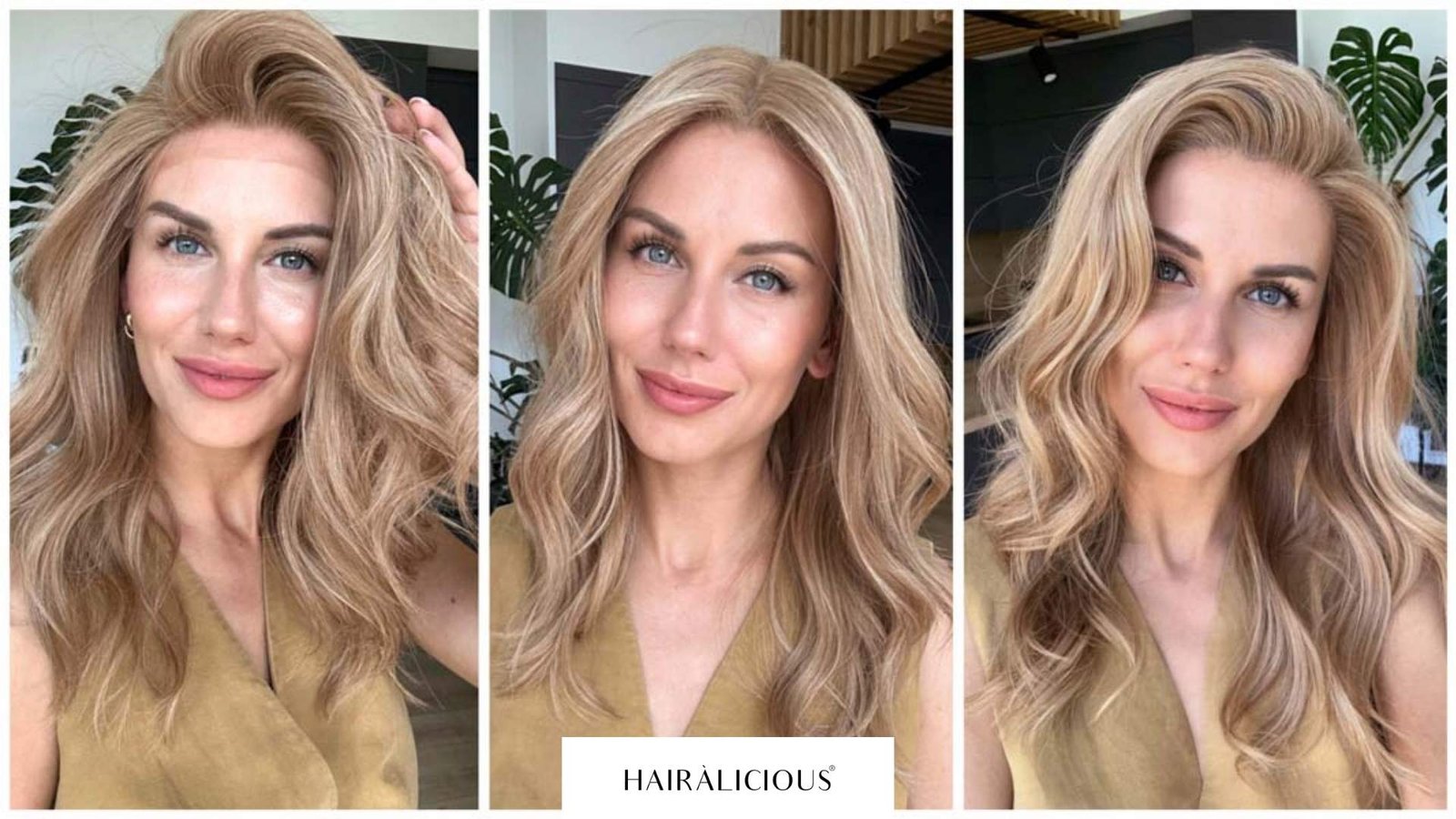
Choosing a wig for long-term wear is not the same as choosing a wig for one evening, a costume, a photoshoot, or an occasional change of style. When a wig becomes part of everyday life, expectations change. It is no longer enough for the hair to look beautiful in product photos. The wig also needs to feel comfortable, stay secure, move naturally, suit your styling habits, and support your confidence day after day.
For many women, this decision is also deeply personal. A high-end wig may be chosen because of hair loss, thinning hair, alopecia, medical treatment, or simply the desire to enjoy a different look without changing natural hair. Whatever the reason, the goal is often the same: to find a wig that feels reliable, realistic, and easy to live with.
That is why long-term wig wear should be approached thoughtfully. Instead of focusing only on length, colour, or price, it is worth looking at the details that affect comfort, realism, and durability.
Start With the Purpose of the Wig
Before choosing a high-end wig, it helps to understand how you plan to wear it. A wig used once in a while does not have to meet the same standards as a wig worn every day. If you need a wig for daily wear, comfort and construction should become just as important as appearance.
Think about your lifestyle. Will you wear the wig to work? Will you keep it on for long hours? Do you want to style it in ponytails, buns, or half-up hairstyles? Do you need it to feel secure without glue? Do you have a sensitive scalp or complete hair loss? These questions help narrow down the type of wig that will actually work for you.
A high-end wig should not only create a beautiful first impression. It should remain practical after the first week, the first wash, and the first full day of wear. The right choice is the one that fits into your routine without making you feel like you constantly need to adjust, hide, or worry about it.
Cap Construction Matters More Than Many Buyers Expect
One of the biggest differences between standard wigs and high-end wigs is cap construction. The cap is the base of the wig, and it affects almost everything: how the wig sits on the head, how secure it feels, how breathable it is, and how naturally the hair moves.
Some wigs are made with wefts, which are rows of hair sewn into the cap. These can be durable and practical, but they may limit styling flexibility. Other wigs include hand-tied areas only at the front or top, allowing for a natural-looking hairline or parting. Full lace wigs go further because the entire cap is made from lace, with hair individually tied throughout the base.
This kind of construction is especially valuable for people who want maximum styling freedom. Since the hair is tied across the whole cap, it can be parted in different directions and styled in ways that look more natural from multiple angles. For example, ponytails, buns, braids, and updos are usually easier to achieve with full lace construction than with more limited cap types.
If styling flexibility is a priority, collections such as the Hairalicious full lace wigs collection can be a useful reference point when comparing different high-end options.
Look Beyond the Front Hairline
A realistic hairline is important, but it is not the only detail that determines whether a wig looks natural. Many wigs look convincing from the front, especially in photos, but the difference becomes clearer when the hair moves, when it is styled away from the face, or when it is seen from the side or back.
For long-term wear, a wig should look natural in real life, not only in controlled lighting. This means paying attention to the parting area, density, lace quality, knot visibility, and the way the hair falls around the face. A natural-looking wig usually has a softer transition at the hairline instead of a harsh, uniform edge. It should also have density that suits the wearer’s features and style.
More density does not always mean a better wig. In fact, a wig that is too thick can sometimes look less believable, especially if the wearer naturally has fine or medium-density hair. The most realistic choice is often the one that balances fullness with natural movement.
Consider Comfort for All-Day Wear
Comfort is one of the most important factors in long-term wig wear. Even the most beautiful wig will become difficult to use if it feels too tight, too heavy, too warm, or unstable. This is especially true for people with sensitive scalps or hair loss, where the skin may be more easily irritated.
A comfortable wig should fit securely without creating painful pressure. It should not slide, wrinkle, or lift throughout the day. The inner materials should feel soft enough against the scalp, and the cap should allow enough breathability for extended wear.
Size also plays a major role. A wig that is too small may cause headaches, pressure at the temples, or tension at the nape. A wig that is too large may shift, bunch, or feel insecure. Before buying a high-end wig online, it is important to measure the head carefully and compare those measurements with the brand’s specific size chart. Size names such as small, medium, or large are not universal across all wig brands, so actual measurements matter more than the label.
Human Hair Quality Affects Both Look and Lifespan
High-end wigs are often made from human hair because it offers a more natural look, feel, and styling experience. Human hair can usually be heat-styled, washed, curled, straightened, and adapted more like natural hair. This makes it especially useful for long-term wear because the wig can evolve with your style instead of staying fixed in one shape.
However, not all human hair wigs are equal. Hair quality depends on sourcing, processing, cuticle alignment, colouring methods, and overall craftsmanship. Virgin or minimally processed hair typically remains healthier because it has not been heavily damaged by chemical treatments. Remy hair, where cuticles remain aligned in the same direction, can help reduce tangling and maintain smoothness.
Think About Styling Habits Before Buying
A high-end wig should match the way you actually like to wear your hair. Some people prefer a simple everyday look with minimal styling. Others want the freedom to curl, straighten, part, braid, or tie the hair up. There is no single best choice for everyone — the best wig is the one that supports your routine.
If you mostly wear your hair down, a lace top or lace front construction may already provide enough realism and comfort. If you want to wear your hair in high ponytails, buns, or styles where the back of the cap may be visible, full lace construction becomes more relevant.
It is also worth thinking about whether you prefer hair that air dries straight, slightly textured, or naturally wavy. Long-term wear becomes easier when the wig’s natural texture works with your habits rather than against them. If you do not want to style your wig every morning, choose a texture and cut that still look polished with minimal effort.
Durability Depends on Both Construction and Care
A high-end wig can be a long-term investment, but its lifespan depends on how it is made and how it is cared for. Delicate lace, hand-tied knots, and premium hair require gentle handling. This does not mean the wig is impractical, but it does mean that the wearer should treat it differently from natural growing hair.
Brushing should be gentle, especially near the knots. Washing should be done with suitable products, avoiding harsh shampoos or unnecessary friction. Heat styling should be paired with heat protection. The wig should also be stored properly when not in use to preserve its shape and prevent tangling.
It is also important to understand that different wig colours and textures may age differently. Very light or heavily coloured hair has usually gone through more processing than darker virgin shades, which can affect longevity. This is not necessarily a reason to avoid lighter colours, but it is something to keep in mind when choosing a wig for long-term wear.
Glueless Wear Can Make Daily Use Easier
For many long-term wearers, glueless construction is an important advantage. Traditional glued wigs can create a very secure hold, but they also require more time, skill, and maintenance. Adhesives and solvents may irritate the skin, especially for people with sensitivity or hair loss, and repeated glue use can also affect the delicate lace area.
Glueless wigs are designed to stay secure without daily adhesive application. They may use elastic bands, combs, clips, silicone sections, adjustable straps, or other security features depending on the cap construction. This makes them more beginner-friendly and easier to remove at the end of the day.
For everyday wear, this can make a big difference. Being able to put on and remove the wig quickly reduces stress and gives the scalp more time to breathe. It also makes the wig feel less like a complicated beauty routine and more like a natural part of getting ready.
Final Thoughts
Choosing a high-end wig for long-term wear requires more than choosing a beautiful style. The most important factors are often the ones that are not immediately visible in product photos: cap construction, fit, hair quality, comfort, density, and styling flexibility.
A good wig should support your daily life, not complicate it. It should feel secure without constant adjustment, look natural in different situations, and allow you to style your hair in a way that feels like you. When these details come together, a wig becomes more than a beauty purchase. It becomes a source of comfort, confidence, and personal freedom.
