Author: Engrnewswire

  • Best 3D Printer for Beginners in 2026: Easy Picks for First-Time Users

    Best 3D Printer for Beginners in 2026: Easy Picks for First-Time Users

    Desktop 3D printing is becoming easier for hobbyists, students, families, and DIY creators. Still, first-time users may face confusing assembly, manual calibration, unfamiliar software, and failed prints. A good 3D printer for beginners should simplify these early steps while leaving room for future projects. Modern 3D printer models often combine guided setup, automated adjustments, and accessible software to make learning more manageable.

    What Makes a 3D Printer Beginner-Friendly in 2026?

    Easy Setup and Automatic Calibration

    Automatic bed leveling, guided setup, and simple controls can reduce preparation time and common setup errors. A mostly assembled printer also helps new users move from unboxing to a first test print faster. These features let beginners focus on making models rather than repeatedly adjusting the machine.

    Reliable Printing Performance

    Stable motion, consistent filament feeding, and dependable bed adhesion can reduce avoidable failures. Reliable performance also makes troubleshooting easier because beginners can change one setting at a time and better understand how temperature, speed, or model design affects the result.

    Beginner-Friendly Software and Filament Support

    An intuitive slicer makes a 3D printer easier to learn. Recommended profiles, clear model placement tools, and straightforward material settings limit the need for manual adjustments. PLA is a practical first filament because it is widely available and generally easier to print than many specialized materials.

    Key Features to Look for in a Good 3D Printer for Beginners

    Smart Features That Reduce the Learning Curve

    Touchscreen controls, filament detection, built-in material profiles, and guided maintenance can simplify daily operation. These tools do not replace basic printing knowledge, but they reduce repetitive setup tasks and help new users complete projects with fewer interruptions.

    Multi-Color and Multi-Material Printing Options

    Single-color printing is enough for organizers, models, tools, and replacement parts. Users interested in decorative designs or complex prototypes may want more options later.

    A multi head 3D printer can work with different colors or materials through separate print heads or material paths. This expands creative possibilities, although it may require additional setup and maintenance. A good 3D printer for beginners may therefore offer optional expansion rather than making advanced workflows mandatory.

    Best Types of 3D Printers for First-Time Users

    Entry-Level FDM 3D Printers

    FDM printers remain a common starting point because they are often affordable, use easy-to-find filament, and require relatively simple maintenance. They also have strong community support, which gives beginners access to tutorials, model files, and troubleshooting advice. These printers can handle toys, school projects, organizers, decorations, and basic prototypes.

    Advanced Beginner Printers With More Creative Features

    Some users may prefer faster printing, enclosed build areas, smarter calibration, or multi-color compatibility. These features can provide more room for growth without requiring an immediate upgrade.

    Beginners seeking a smoother introduction can explore Flashforge’s user-friendly printers, which focus on simple operation, reliable performance, and an easier first printing experience.

    How to Choose the Right Beginner 3D Printer

    Consider What You Want to Create

    For collectibles and decorations, detail and color options may matter most. Household tools and replacement parts may require a larger build area or support for stronger materials. Schools and families may value enclosed printing and simple controls. Defining the main use case makes comparing models easier.

    Balance Price, Features, and Long-Term Value

    The cheapest 3D printer is not always the most practical choice. Consider ease of use, print reliability, software quality, available support, replacement parts, and upgrade options. Paying slightly more may be reasonable when a printer reduces setup difficulty or supports a wider range of future projects.

    Beginner Tips for Better First Prints

    Start With Simple Models and Materials

    Begin with small models that have flat bases and limited overhangs. Simple projects print faster and make it easier to see how temperature, speed, and layer height affect quality. Using PLA and a tested profile can also reduce variables.

    Learn Basic Maintenance

    Keep the print bed clean, inspect the nozzle for buildup, and store filament away from moisture. Check belts, moving parts, and filament paths regularly. Basic maintenance can improve consistency and reduce avoidable interruptions.

    Why Flashforge Is a Strong Choice for Beginners

    Flashforge offers printers designed around accessible setup, intuitive controls, and stable performance. These qualities may suit users searching for a good 3D printer for beginners, while selected models also support faster workflows, enclosed printing, or expanded color and material options.

    For users seeking a reliable starting point, Flashforge provides beginner-friendly solutions that can support the move from a first test print to more creative projects with confidence.

    Final Thoughts

    The best beginner printer should make setup manageable, provide consistent results, and match the user’s goals. Budget matters, but software, maintenance, support, and upgrade potential should also guide the decision. Choosing a 3D printer that can grow with your skills may provide better long-term value and a more enjoyable learning experience.
  • Why Regular Inspection Is Important for Lifting Equipment

    Why Regular Inspection Is Important for Lifting Equipment

    Regular inspections are important for lifting equipment since undetected faults can lead to serious injuries and costly downtime on any industrial site. Most of the time, the gear looks fine on the outside, but hidden wear can make it unsafe to use without a proper check.

    And that’s exactly why having the right people in your corner is necessary. RUD Engineering has spent decades supplying, testing, and certifying lifting hardware across Brisbane and Ipswich. We provide NATA-accredited testing and a team of specialists who deal with compliant assessments every single day.

    From that expertise, we’ll share:

    • What inspections actually check
    • Australian Standards frequency requirements
    • Who’s qualified to carry them out

    If lifting equipment safety is part of your job, keep reading.

    What’s Checked in a Lifting Equipment Inspection?

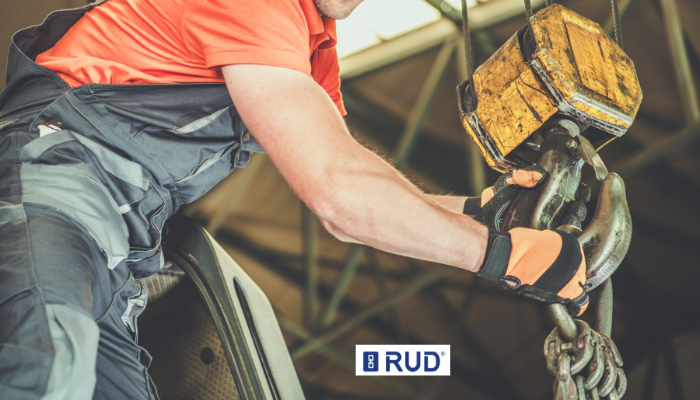
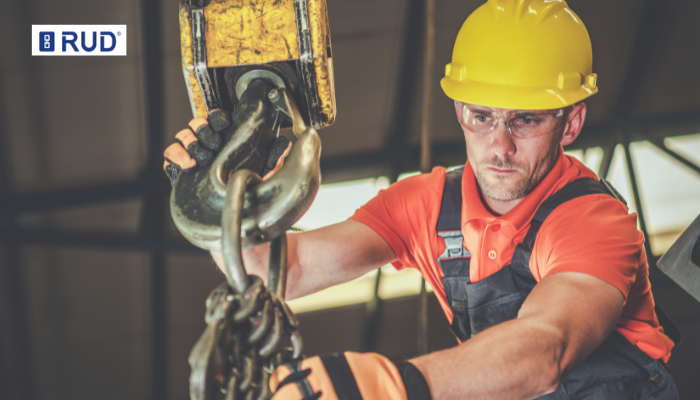
    A lifting gear evaluation covers every piece of gear involved in a lift: chain hoists, slings, shackles, harnesses, and anchor points. Each rigging type carries its own review criteria based on its construction, rated load, and working conditions.

    The following covers what’s usually assessed across the main lifting hardware categories:

    • Chain Hoists and Lifting Devices: Inspectors measure load chain wear, hook throat opening, and brake holding capacity against rated specifications. Their WLL (Working Load Limit) tags are confirmed if they’re legible and physically intact before the hoist returns to service.
    • Synthetic and Webbing Slings: UV degradation and stitching separation tend to be the silent problems here. That’s why assessors check for cuts, abrasion damage, and load rating labels that have faded beyond readability.
    • Wire Rope and Alloy Chain Slings: They check for any diameter reduction that signals internal wear has progressed past safe limits. Corrosion, kinking, broken wires, and link distortion are the primary things technicians look for. 
    • Shackles and Rigging Hardware: Technicians verify that the throat opening has not widened under repeated load cycles and confirm that pins are secure to ensure safe operation.
    • Height Safety Equipment: Harnesses, lanyards, static lines, and anchor points sit under separate Australian standards from rigging gear. So each one follows its own dedicated inspection schedule and removal criteria.

    Across all of these, a missed item can put the whole lift at risk and leave the business exposed to liability if something goes wrong on the job. Even brand-new gear needs to go through the process because manufacturing faults and transit damage can happen.

    How Often Do Australian Standards Require Inspections?

    Assessment frequency depends on hardware type, usage intensity, and environmental conditions like heat, dust, or chemicals. Australian Standards set the minimum intervals every business has to meet, but heavy-use sites often need to go beyond those baselines.

    The table below outlines the required review intervals across common lifting equipment categories under Australian Standards:

    Equipment TypeRelevant AS StandardInspection Frequency
    Chain HoistsAS 1418Every 12 months
    Alloy Chain SlingsAS 3775.2Usage-based: 12 monthly (1–5 lifts/week) to monthly (201+ lifts/week)
    Web & Round SlingsAS 1353 / AS 4497Every three months (max interval)
    Safety Harnesses & LanyardsAS/NZS 1891Every six months
    Shackles & Wire Rope SlingsAS 2741 / AS 1666Based on wear and usage
    All Lifting EquipmentAS 2550.1Before every use (in-service)

    Not every interval is fixed, though. For instance, alloy chain sling frequency under AS 3775.2 is tied directly to how many lifts the sling performs each week. A sling doing 201 or more cycles weekly needs monthly inspection, rather than an annual one.

    For teams operating in port, mining, or construction environments, multiple standards apply at once. So cross-referencing them is part of managing the job properly. Businesses that fall short will face severe financial penalties and, in serious cases, prosecution.

    Who Can Carry Out Lifting Equipment Testing Services?

    Lifting equipment testing must be carried out by a “competent person,” such as a registered mechanical engineer, a NATA‑accredited lifting inspector, or a rigging specialist. 

    Australian Standards set clear requirements around inspector competency. Using an unqualified person to carry out formal inspections puts you at risk of compliance breaches and liability in case an incident happens on-site.

    Here’s what competency, documentation, and facility repairs involve.

    What “Competent Person” Means Under AS 2550.1

    AS 2550.1 defines a competent person as someone with practical and theoretical knowledge sufficient to evaluate defects that affect how a gear performs. Most people assume experience on the tools is enough, but the standard requires formal training and certification to test equipment safely.

    We’ve seen a Brisbane construction business find this out during an audit. Their in-house inspector held a dogging ticket, but lacked the standard-specific assessment for the slings being tested.

    As a result, every assessment that person performed was unverified on paper, and the business had no compliant records to show for it.

    Records, Tags, and Facility Repairs After Faults

    Without a signed, dated record, there’s no proof the inspection happened. That’s why every evaluation needs:

    • A written record that covers the date
    • The inspector’s details
    • All the findings
    • When the next check is due

    This documentation is what regulators and insurers ask for when something goes wrong on site.

    Once faults are identified and facility repairs are completed, equipment gets re-tested and re-tagged before it returns to service. That sequence is the whole point of the process, and skipping any part of it puts the business back at square one.

    Protect Your Site With the Right Inspection Services

    Regular lifting equipment checks are what keep workers safe, assets in service, and your business on the right side of Australian Standards. Every piece of gear on your site carries a legal evaluation obligation that can’t be ignored.

    The best way to stay ahead of it is to work with specialists who understand the standards, hold the right certifications, and handle repairs. 

    RUD Australia‘s team in Brisbane and Ipswich is ready to support those lifting inspection needs. Reach out today, and feel free to explore our site for more guidance on lifting safety, industry compliance, and hardware management.

  • Asset Tracing Explained: How Investigators Track Hidden Wealth and Financial Assets

    Asset Tracing Explained: How Investigators Track Hidden Wealth and Financial Assets

    In today’s complex financial world, individuals and businesses sometimes attempt to hide money, property, or investments to avoid legal obligations, taxes, or debt repayment. This is where asset tracing becomes an essential process. Asset tracing is a professional investigation method used to identify, locate, and recover hidden or misappropriated wealth and financial assets. It plays a critical role in legal disputes, fraud investigations, divorce settlements, bankruptcy cases, and corporate recovery efforts.

    As global banking systems and digital transactions continue to evolve, investigators now use advanced technology and financial analysis techniques to uncover assets that may be concealed across multiple jurisdictions. Understanding how asset tracing works can help businesses, attorneys, and individuals protect their financial interests and recover lost wealth more effectively.

    What Is Asset Tracing?

    Asset tracing is the process of identifying, tracking, and documenting assets owned or controlled by an individual, business, or organization. These assets may include bank accounts, real estate, investments, luxury items, company shares, cryptocurrency, and offshore holdings.

    The primary objective of asset tracing is to determine where money or property has been transferred, hidden, or concealed. Investigators gather financial evidence that can later be used in court proceedings, debt recovery, or settlement negotiations.

    Asset tracing often involves cooperation between forensic accountants, private investigators, legal professionals, and financial experts. Together, they analyze financial records, business structures, and transaction histories to uncover hidden wealth.

    Why Asset Tracing Is Important

    Asset tracing has become increasingly important due to the rise of financial fraud, money laundering, and international asset concealment. Individuals or corporations involved in legal disputes may attempt to move assets into offshore accounts or transfer ownership to third parties to avoid detection.

    Businesses and legal professionals rely on asset tracing for several reasons:

    Fraud Investigations

    Fraud victims often use asset tracing services to locate stolen or diverted funds. Whether the fraud involves corporate embezzlement, investment scams, or cybercrime, tracing financial movements can help recover losses.

    Divorce and Family Law Cases

    In high-value divorce proceedings, one spouse may attempt to hide assets to reduce financial obligations. Asset tracing helps uncover undisclosed bank accounts, investments, and property ownership.

    Debt Recovery

    Creditors and lenders frequently use asset tracing to identify the financial resources of debtors who refuse to pay outstanding obligations. By locating assets, legal teams can enforce judgments and recover debts.

    Bankruptcy Proceedings

    Asset tracing ensures transparency during bankruptcy cases. Investigators examine financial activities to determine whether assets were improperly transferred before filing for bankruptcy protection.

    Corporate Disputes

    Companies may require asset tracing during shareholder conflicts, partnership disputes, or mergers and acquisitions. Investigators assess ownership structures and financial transfers to identify hidden liabilities or assets.

    How Investigators Conduct Asset Tracing

    Asset tracing is a detailed and systematic process. Investigators use a combination of public records, financial analysis, technology, and intelligence gathering to uncover hidden wealth.

    Reviewing Financial Records

    The first step usually involves analyzing financial documents such as:

    • Bank statements 
    • Tax records 
    • Credit reports 
    • Business filings 
    • Investment portfolios 
    • Property ownership documents 

    These records provide valuable insights into financial behavior, transaction patterns, and possible attempts to conceal assets.

    Following Transaction Trails

    Money often leaves a digital trail. Investigators carefully examine wire transfers, payment histories, and corporate transactions to identify where funds have been moved.

    Sophisticated financial criminals may attempt to disguise transactions through shell companies, intermediaries, or offshore accounts. However, experienced investigators can often detect suspicious patterns and connections.

    Examining Corporate Structures

    Many hidden assets are concealed within complex business entities. Investigators study company ownership records, shareholder structures, and corporate registrations to determine who ultimately controls specific assets.

    Shell corporations and nominee directors are commonly used to hide wealth. Asset tracing professionals use forensic accounting techniques to uncover beneficial ownership.

    Searching Public Databases

    Public records can reveal valuable information about property ownership, lawsuits, business activities, and financial interests. Investigators search databases containing:

    • Real estate records 
    • Court filings 
    • Company registrations 
    • Intellectual property ownership 
    • Vehicle registrations 

    These records help build a complete financial profile of the subject under investigation.

    Investigating Offshore Accounts

    Offshore financial centers are frequently used to conceal wealth due to strict privacy laws. Asset tracing experts collaborate with international legal professionals and financial institutions to investigate offshore holdings.

    Cross-border investigations may involve mutual legal assistance treaties, court orders, and international cooperation between regulatory authorities.

    Using Digital Forensics

    Modern asset tracing increasingly involves digital investigations. Experts analyze electronic communications, online financial activity, cryptocurrency transactions, and digital payment systems.

    Cryptocurrency tracing has become particularly important as digital assets gain popularity. Blockchain analysis tools allow investigators to track cryptocurrency transfers across wallets and exchanges.

    Common Types of Hidden Assets

    Individuals attempting to conceal wealth may use a variety of methods. Asset tracing professionals are trained to identify these strategies and uncover hidden holdings.

    Real Estate

    Property is one of the most common hidden assets. Individuals may register real estate under family members, business entities, or offshore companies.

    Bank Accounts

    Undisclosed bank accounts in domestic or international institutions are frequently targeted during asset tracing investigations.

    Investments and Securities

    Stocks, bonds, mutual funds, and investment portfolios may be hidden through nominee accounts or layered ownership structures.

    Cryptocurrency

    Digital currencies such as Bitcoin and Ethereum are increasingly used to conceal wealth because of their decentralized nature. However, blockchain records often provide valuable investigative leads.

    Luxury Assets

    High-value items such as artwork, jewelry, yachts, and luxury vehicles can also be hidden or transferred to avoid legal claims.

    Challenges in Asset Tracing

    Although modern technology has improved financial investigations, asset tracing still presents significant challenges.

    International Jurisdictions

    Different countries have varying banking regulations, privacy laws, and disclosure requirements. Recovering assets across multiple jurisdictions can be time-consuming and expensive.

    Complex Ownership Structures

    Sophisticated individuals often use multiple companies, trusts, and intermediaries to obscure ownership. Untangling these structures requires specialized expertise.

    Rapid Asset Transfers

    Funds can be moved quickly through international banking systems, cryptocurrency exchanges, and digital payment platforms, making recovery more difficult.

    Legal Restrictions

    Investigators must comply with legal and privacy regulations during asset tracing operations. Unauthorized access to financial information can lead to legal complications.

    The Role of Forensic Accountants

    Forensic accountants are key players in asset tracing investigations. They combine accounting knowledge with investigative skills to analyze financial records and identify suspicious activity.

    These professionals can reconstruct financial transactions, detect fraud schemes, and provide expert testimony in court. Their findings often serve as crucial evidence in legal disputes and recovery proceedings.

    Forensic accountants also help identify inconsistencies between reported income and actual spending patterns, which may indicate hidden wealth.

    Technology and the Future of Asset Tracing

    Technology continues to transform the asset tracing industry. Artificial intelligence, blockchain analytics, and advanced data analysis tools allow investigators to process large amounts of financial information more efficiently.

    Machine learning systems can detect unusual transaction patterns and identify hidden connections between entities. Cryptocurrency forensic platforms help trace digital asset transfers with increasing accuracy.

    As financial systems become more digital and globalized, asset tracing professionals must continue adapting to new technologies and evolving concealment methods.

    Conclusion

    Asset tracing is an essential investigative process that helps uncover hidden wealth and financial assets in legal, corporate, and personal disputes. From fraud recovery to divorce settlements and debt enforcement, asset tracing provides valuable insights into financial activities that might otherwise remain concealed.

    Modern investigators rely on forensic accounting, digital analysis, public records research, and international cooperation to track assets across complex financial networks. While challenges such as offshore secrecy and cryptocurrency transactions continue to evolve, technological advancements are making asset tracing more effective than ever.

    For businesses, legal professionals, and individuals seeking financial transparency, asset tracing remains a powerful tool for uncovering the truth and protecting valuable financial interests.