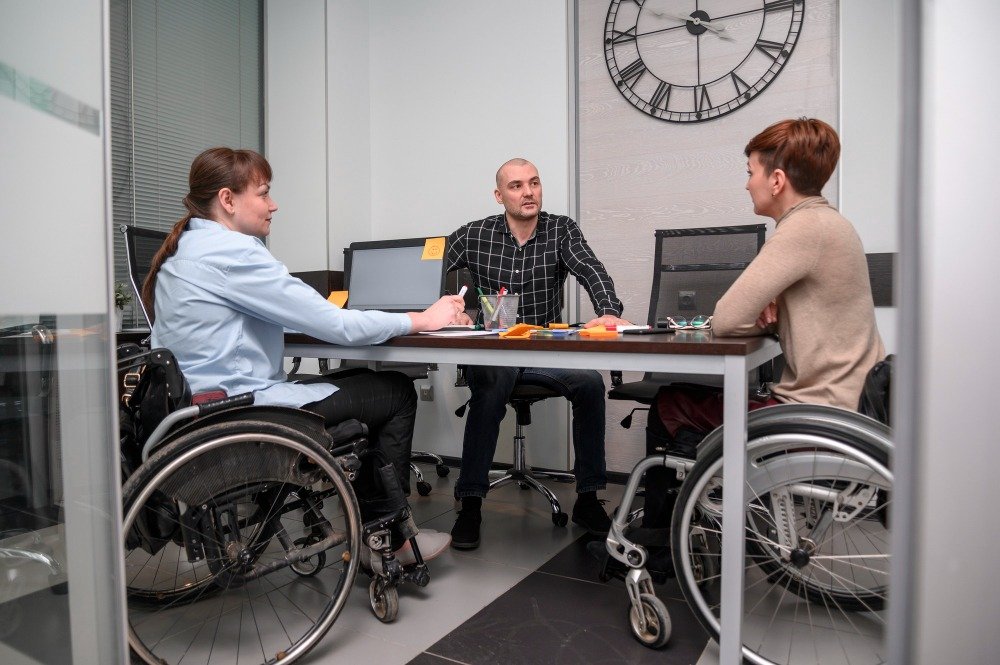
A wheelchair is more than just a mobility aid. For individuals with limited mobility, it is an essential tool that provides independence, comfort, and the ability to participate fully in everyday life. However, no two users have the same needs, which is why wheelchair customisation is so important. Occupational therapists play a vital role in ensuring that wheelchairs are tailored to meet each person’s unique physical, functional, and lifestyle requirements. Their expertise can greatly improve comfort, safety, and overall quality of life.
Understanding the Role of Occupational Therapists
Occupational therapists are healthcare professionals who specialise in enabling people to engage in meaningful daily activities despite physical, cognitive, or emotional challenges. When it comes to wheelchair customisation, occupational therapists assess the user’s physical abilities, mobility needs, and personal goals. Their aim is not only to provide a wheelchair that allows movement but also to enhance independence, participation, and overall wellbeing. They consider how the wheelchair will be used at home, in the workplace, or in the community, ensuring it supports the user in all areas of life.
Initial Assessment and Evaluation
The customisation process begins with a thorough assessment. Occupational therapists evaluate the user’s posture, strength, range of motion, balance, and overall health. They may also consider skin integrity to prevent pressure sores, a common issue for long-term wheelchair users. During this assessment, the therapist observes how the individual currently sits, transfers, and manoeuvres their wheelchair. They may measure leg length, hip width, and arm reach to ensure that any new wheelchair provides the correct support and alignment. This assessment is essential because an ill-fitting wheelchair can cause discomfort, pain, and even long-term health issues.
Identifying Individual Needs and Goals
Wheelchair customisation is highly individualised. Occupational therapists work closely with users to understand their lifestyle, daily activities, and personal preferences. For example, someone who spends long periods at a desk may require a different seating configuration than someone who enjoys outdoor activities. Therapists also consider the need for specialised equipment such as trays, cushions, or adaptive controls. By identifying the user’s goals, occupational therapists can recommend modifications that not only improve mobility but also support participation in work, education, social activities, and hobbies.
Selecting the Right Wheelchair Type
There are many types of wheelchairs available, including manual, powered, and sports-specific models. Occupational therapists guide users in selecting the most appropriate type based on their physical abilities, endurance, and intended use. Manual wheelchairs require upper body strength and are often suitable for shorter distances, while powered wheelchairs offer independence for users with limited strength or endurance. Therapists consider factors such as weight, manoeuvrability, durability, and ease of transport when recommending a wheelchair. Choosing the right type is a critical step in ensuring long-term comfort and functionality.
Customising Seating and Support
One of the most important aspects of wheelchair customisation is seating and support. Occupational therapists recommend cushions, backrests, and positioning aids to promote proper posture and prevent pressure injuries. They consider the user’s spinal alignment, hip angle, and pelvic stability to determine the ideal seating configuration. For some individuals, specialised cushions made from foam, gel, or air cells may be necessary to provide pressure relief and improve comfort. Proper seating support also enhances functional abilities, making it easier to reach, push the wheelchair, and perform daily tasks safely.
Adjusting Controls and Accessories
For powered wheelchairs, occupational therapists help customise controls to match the user’s physical abilities and preferences. Joysticks, switches, and touchpads can be adapted to ensure ease of operation. Accessories such as trays, cup holders, storage compartments, and lap belts can also be customised to enhance comfort and functionality. Occupational therapists ensure that all adjustments are safe, practical, and aligned with the user’s goals. These customisations make daily life more manageable and allow the wheelchair to serve as a true extension of the user’s body.
Training and Education
Wheelchair customisation is not limited to equipment adjustments. Occupational therapists provide training and education to help users make the most of their wheelchair. This includes teaching proper posture, safe transfers, propulsion techniques, and pressure relief exercises. Education extends to caregivers, family members, and support workers who assist with mobility. Proper training ensures that users can operate their wheelchair safely, reduce the risk of injury, and maintain independence in everyday activities. It also helps prevent complications such as shoulder strain, back pain, or pressure sores that can arise from improper use.
Regular Review and Maintenance
Customising a wheelchair is an ongoing process. As the user’s needs, abilities, or health conditions change, adjustments may be required. Occupational therapists schedule regular reviews to assess posture, seating, and functionality. They check for wear and tear, ensure that controls are working correctly, and make recommendations for upgrades or modifications if needed. Regular maintenance and review are essential for long-term safety, comfort, and usability. These reviews also provide an opportunity to address any concerns or challenges that may arise over time.
Enhancing Quality of Life
The ultimate goal of wheelchair customisation is to improve quality of life. Occupational therapists ensure that the wheelchair supports not only physical needs but also social participation and independence. A well-customised wheelchair allows users to move freely, engage in work or education, participate in recreational activities, and maintain social connections. It can reduce discomfort, prevent secondary health issues, and boost confidence. By tailoring the wheelchair to the individual, occupational therapists empower users to live life to the fullest despite mobility challenges.
Collaboration with Other Professionals
Wheelchair customisation often involves collaboration with other healthcare professionals, including physiotherapists, doctors, and prosthetists. Occupational therapists communicate with these team members to ensure that the wheelchair meets all medical and functional requirements. This multidisciplinary approach ensures a holistic solution that considers the user’s physical health, mobility needs, and lifestyle goals. Collaboration also allows for the integration of complementary equipment, such as standing frames or specialised cushions, to provide comprehensive support.
Conclusion
Wheelchair customisation is a complex and highly individual process that requires expertise, attention to detail, and a deep understanding of the user’s needs. Occupational therapists play a crucial role in assessing abilities, recommending appropriate equipment, and ensuring that the wheelchair is tailored for comfort, safety, and functionality. They provide training, education, and ongoing support to maximise independence and quality of life. Through careful assessment, personalised solutions, and collaboration with other healthcare professionals, occupational therapists ensure that wheelchairs do more than provide mobility. They empower users to live active, independent, and fulfilling lives.
In today’s world, where mobility is central to participation in daily life, the expertise of occupational therapists cannot be overstated. From selecting the right wheelchair type to customising seating, controls, and accessories, occupational therapists provide invaluable guidance. Their work enhances physical wellbeing, prevents complications, and supports social engagement. For anyone who relies on a wheelchair, the guidance of an occupational therapist is essential for achieving a personalised, safe, and empowering mobility solution.