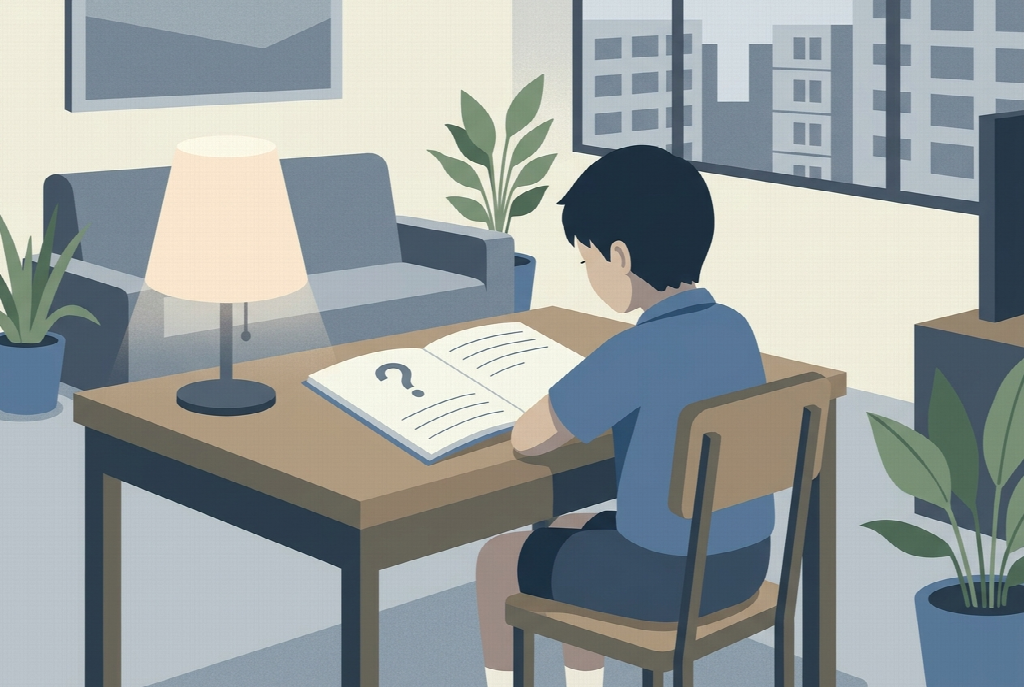
By the time a bad science result lands on the table, the real problem usually started months earlier. Sometimes longer than that, honestly.
That’s the part most parents miss, I think. Grades are a lagging signal, they tell you something’s already gone wrong, not that it’s about to. The signal that actually gives you time to do something looks nothing like a test score. It looks like a kid who used to bring up science at dinner and now just shrugs when you ask how class went.
The Shift Nobody Notices Right Away
Confidence doesn’t collapse in one go. It wears down, one small discouraging moment stacked on another, until a kid who used to have a go at every question starts quietly skipping the hard ones and never mentions it.
Most parents only catch this in hindsight. Looking back, they’ll remember their child stopped asking science questions around the house. Stopped bringing up random things from class the way they used to. Started saying “I don’t know” a beat faster than before, even in conversations that had nothing to do with homework.
None of these things look alarming by themselves. Stack a few months of them together though, and the story gets pretty clear.
Why Science Specifically
Science in the Singapore curriculum rewards a specific kind of nerve, really, the willingness to attempt an open-ended question even when you’re not sure of the full answer. A kid who’s lost confidence tends to avoid exactly those questions. Which happen to be worth the most marks, which is annoying because it means the avoidance costs the most where it hurts the most.
Here’s the frustrating pattern that comes out of this. A student who genuinely understands more than their scores suggest keeps losing marks specifically because they’ve stopped attempting the harder stuff, the stuff where their actual understanding could’ve shown through. Gap widens. Quietly, usually, without anyone noticing until report card day.
Teachers with 30-odd kids in a class often just don’t have the room to catch this early. A student who isn’t causing trouble and is technically handing in homework, even mediocre homework, doesn’t usually raise flags.
What to Actually Watch For
A few things worth keeping an eye on at home.
Homework that used to take twenty minutes now eats an hour, with long stretches where nothing’s visibly happening. Usually that’s avoidance, not confusion.
Open-ended questions get left blank more than they used to. Even ones that, based on what your kid’s told you before, should be within reach.
Your child starts calling themselves “not a science person.” That phrase almost always shows up after a run of bad results, not before one, so by the time you hear it, some ground’s already been lost.
What Tends to Actually Help
Rebuilding confidence works differently from rebuilding knowledge, and I think this is where a lot of well-meaning revision plans go wrong. It needs small, low-stakes wins before a kid’s willing to try the harder questions on their own again.
That’s part of why structured, well-paced tuition tends to do more than generic revision once confidence has already taken a hit. A programme like Science Shifu leans into this specifically, building answering confidence step by step through live sessions instead of just throwing more content at a kid who’s already checked out a bit.
The goal early on isn’t a better test score, not yet. It’s just getting a kid willing to attempt the question again. Score usually follows once that happens, but it’s not the first thing to chase.
The Window That Matters
Catch this early and it doesn’t take much, a conversation, some steady support, maybe a term of it. Leave it until after a major exam’s already gone badly and it turns into something closer to damage control, which takes longer and costs more, in every sense of that word.
Most parents won’t catch the shift from any single conversation. It shows up in a pile-up of small moments over a school term. Which is exactly why it’s worth paying attention to before the results end up doing the talking for you.