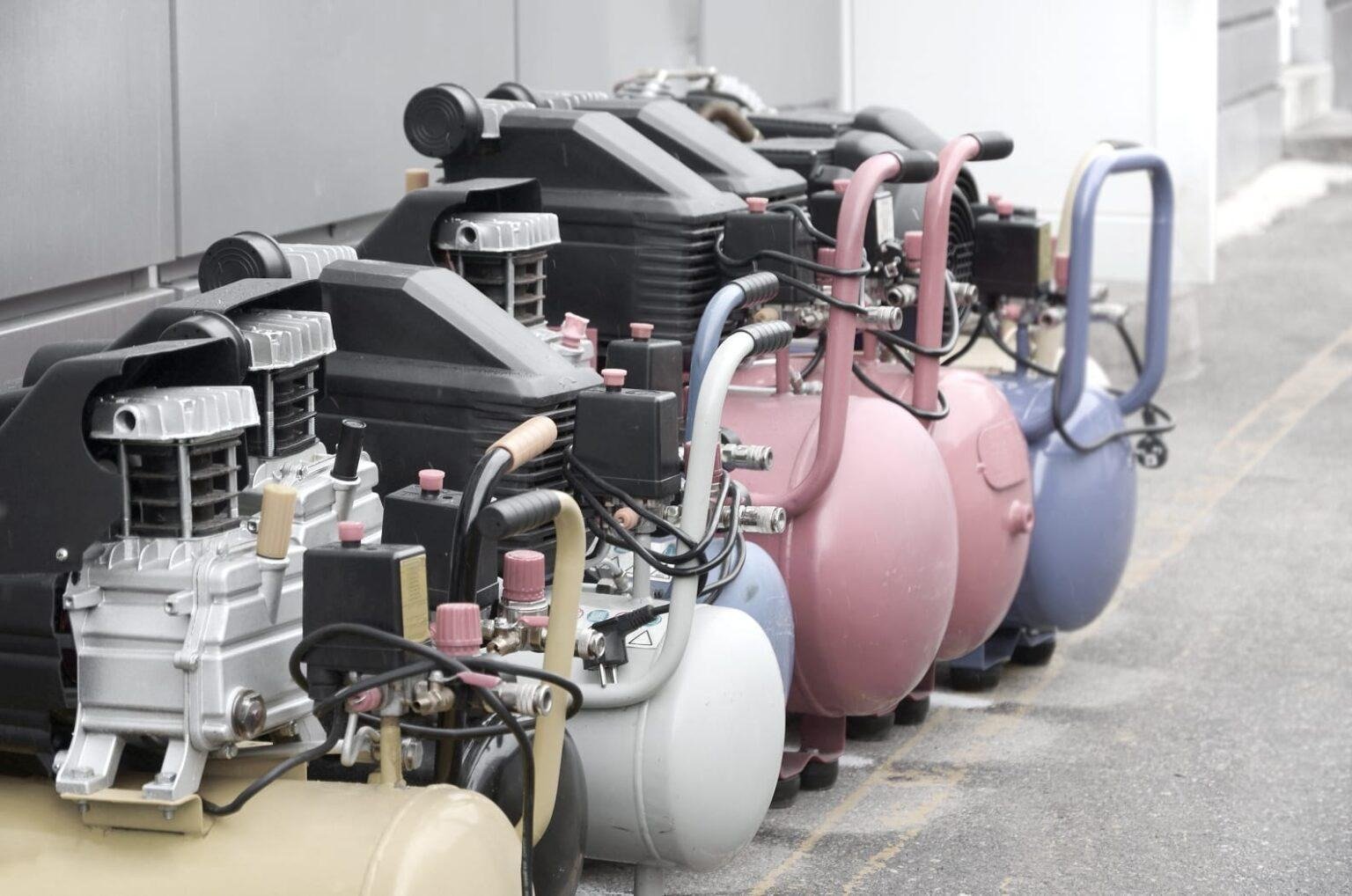
In industrial refrigeration systems, few components are as important as the compressor.
Responsible for keeping the refrigeration cycle running, this equipment has a direct impact on energy efficiency, operational reliability, and maintenance costs across industrial facilities.
Whether in food processing, pharmaceutical manufacturing, chemical production, refrigerated logistics, or other industrial applications, selecting the right compressor can significantly increase productivity while reducing long-term operating expenses.
As industries continue to prioritize efficiency and sustainability, screw compressors have become one of the preferred solutions for large-scale refrigeration systems. In addition to technological advancements, following specialized industry resources focused on engineering, industrial automation, and refrigeration helps professionals stay informed about emerging trends, best practices, and innovative solutions that optimize operational performance.
What Is an Industrial Compressor?
A compressor is the component responsible for increasing the pressure of the refrigerant circulating through a refrigeration system. This process enables the refrigerant to absorb heat in one stage and release it in another, maintaining controlled temperatures throughout industrial operations.
Without an efficient compressor, the refrigeration system loses performance, consumes more energy, and may compromise processes that depend on stable temperatures.
For this reason, choosing a compressor involves much more than evaluating its cooling capacity. Efficiency, durability, maintenance accessibility, and compatibility with the specific needs of the facility are all critical factors.
Why Have Screw Compressors Become the Industry Standard?
Among the various technologies available, screw compressors are widely recognized for their ability to operate continuously over extended periods while maintaining exceptional performance.
Their operation is based on intermeshing helical rotors that compress refrigerant smoothly and continuously, reducing vibration and providing greater operational stability.
Some of the main advantages of this technology include:
- High energy efficiency.
- Continuous operation in demanding industrial environments.
- Reduced mechanical wear.
- Low vibration levels.
- Long service life.
- High reliability.
- Lower maintenance requirements.
- Excellent performance under varying operating loads.
These characteristics make this type of compressor an ideal solution for facilities where refrigeration systems must operate without interruption.
How to Choose the Right Compressor
Selecting the right compressor requires evaluating several technical factors that directly affect overall system performance.
Cooling Capacity
The equipment must match the refrigeration demand of the facility. An oversized compressor wastes energy, while an undersized unit may fail to maintain the required operating temperatures.
Refrigerant Compatibility
Every refrigeration system is designed to operate with specific refrigerants. The compressor must be compatible with these refrigerants to ensure efficiency, safety, and long-term reliability.
Operating Conditions
Ambient temperature, operating pressure, thermal load, and daily operating hours all influence compressor performance and should be considered during equipment selection.
Ease of Maintenance
Compressors designed with easy access to critical components simplify inspections and servicing, reducing maintenance costs and minimizing production downtime.
Energy Efficiency as a Competitive Advantage
Energy consumption represents one of the largest operating expenses in industrial refrigeration systems.
For this reason, investing in a modern compressor can generate substantial savings throughout the equipment’s lifecycle.
Advanced compressor designs incorporate optimized rotor profiles, improved lubrication systems, and intelligent control technologies capable of automatically adjusting capacity according to real-time cooling demand.
This level of control minimizes unnecessary energy consumption while improving the overall efficiency of the refrigeration system.
In addition, high-efficiency equipment supports corporate sustainability goals by reducing electricity consumption and lowering the environmental impact of industrial operations.
Reliability for Critical Industrial Operations
In many industrial sectors, refrigeration system failures can lead to significant financial losses.
Food manufacturers must preserve product quality.
Refrigerated distribution centers depend on stable temperatures to protect inventory.
Pharmaceutical and chemical facilities require precise environmental control to maintain product integrity and comply with strict industry regulations.
A reliable compressor helps minimize unexpected downtime while ensuring stable and continuous operation across critical industrial processes.
Where Are Industrial Compressors Used?
Industrial compressors are essential in a wide variety of applications, including:
- Food processing plants.
- Meat processing facilities.
- Dairy production.
- Beverage manufacturing.
- Pharmaceutical facilities.
- Chemical processing plants.
- Cold storage warehouses.
- Refrigerated distribution centers.
- Ice production.
- Seafood processing.
- Industrial refrigeration systems of all types.
Each application has unique operational requirements, making it essential to select equipment specifically designed for the demands of the intended process.
Efficiency That Drives Long-Term Results
The compressor is one of the most important components of any industrial refrigeration system, playing a fundamental role in operational efficiency, stability, and reliability. Choosing the right technology helps reduce operating costs, improve productivity, and maximize equipment availability over time.
Screw compressors stand out by delivering continuous operation, outstanding energy efficiency, and exceptional durability, making them one of the preferred choices for medium- and large-scale industrial refrigeration applications. Investing in high-performance equipment while staying informed about the latest industry innovations is a strategic approach that supports more efficient, sustainable, and future-ready industrial operations.