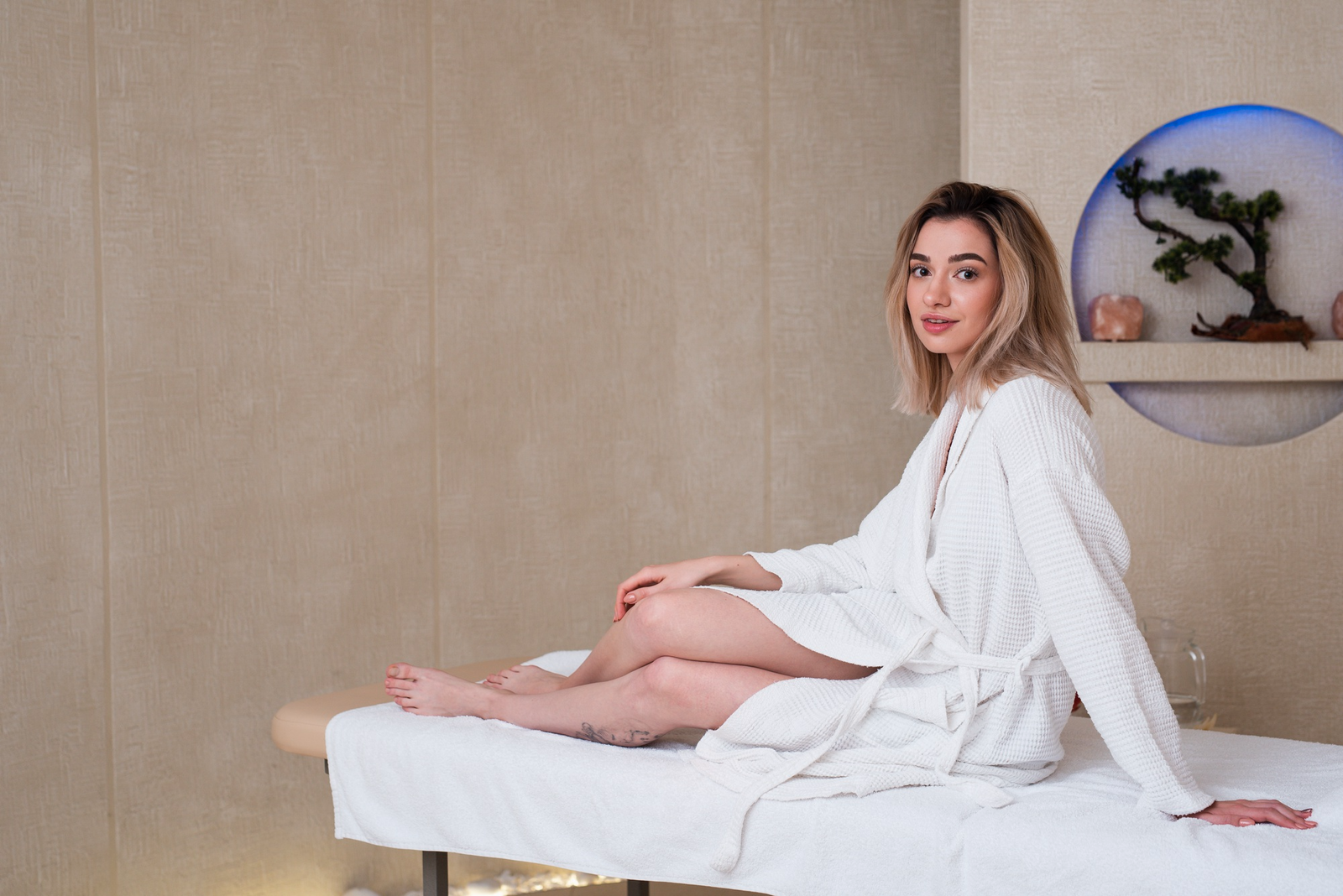
Choosing a waxing appointment feels easier when the salon explains the product before the service starts. ItalWax is often part of professional salon routines, and clients can learn more on the site buyitalwax.com/hard-wax when they want to understand why trained specialists use this product for selected areas. Hard wax is not something a client needs to study in detail. Still, a simple explanation can make the appointment feel clearer and less stressful.
What Hard Wax Actually Is
Hard wax is applied warm to the skin and removed after it sets. Unlike soft wax, it usually does not need strips. The esthetician places the product on a small area, waits until it has the right texture, and removes it with a controlled movement. This is why salons often use it for areas that need more accuracy. Brows, upper lip, underarms, bikini line, and small correction zones are common examples. These areas are more delicate, so the specialist needs a product that gives better control.
When a Salon May Recommend It
A good esthetician should be able to explain why hard wax is being used. The answer should not sound complicated or rushed. It can be as simple as: “This area needs more precision, so this product is a better fit.” Before the appointment starts, it is fine to ask a few practical questions. These questions help you understand the process without feeling awkward:
- Which area will be treated with hard wax?
- How the skin will be prepared before application?
- Whether recent tanning or active skincare matters?
- How warm the product should feel?
- What aftercare is needed after the visit?
- When to book before a trip, event, or beach day?
These questions are normal. A professional salon should answer them in plain language and help you feel more informed. The conversation also helps the specialist. If you mention sensitivity, redness, recent shaving, or strong skincare products, the appointment can be planned more carefully.
What the Appointment Should Feel Like
A hard wax service should not feel random. The room should be clean, tools should be ready, and the esthetician should check the area before starting. The product temperature should also be controlled before it touches the skin.
You may feel brief discomfort during removal, but the specialist should work in small sections and avoid repeating the same area without a reason. If something feels too hot or uncomfortable, you should be able to say so. After the procedure, the esthetician should give simple aftercare advice. Usually, this means avoiding heat, heavy sweating, strong exfoliation, and sun exposure for a short time.
Final Notes
Hard wax is easier to understand when it is explained through the area being treated, not through salon jargon. It can be useful for smaller or more delicate zones when the appointment is handled by a trained specialist.
ItalWax creates Italian-made professional waxing products for salons, studios, and beauty specialists who work with clients every day. If a salon explains product choice clearly and uses suitable professional materials, the visit can feel more comfortable, more honest, and easier to trust.